
Reviewed · WWI BATTLEFIELD TOURS
From LIlle or Bruges, Christmas Truce to Passchendaele Ypres 1 day WW1 private
The most striking part of this private Ypres battlefield tour is how much ground you cover in one day. You move from the Christmas Truce site and Messines mine craters to Polygon Wood, Tyne Cot, John McCrae’s hospital site, and the Menin Gate, with the story of the Australian advance tying it together.
I like the door-to-door pickup from Bruges, Lille, Ghent, Arras, and nearby towns. I also like the chance to shape the day around family history, while Soren brings strong subject knowledge, clear explanations, and a good sense of humor. The drawback is simple: nine hours is a long day, and the $532.32 per-person price makes most sense for a private group with a serious interest in the First World War.
Key points about this Ypres private tour
- Messines opens the day with big stories: Hear about the 1917 battle, see mine craters, and visit the scene linked to the Christmas Truce.
- Australian history runs through the route: Polygon Wood, the Menin Road, Hill 60, and Passchendaele all connect to Australian actions.
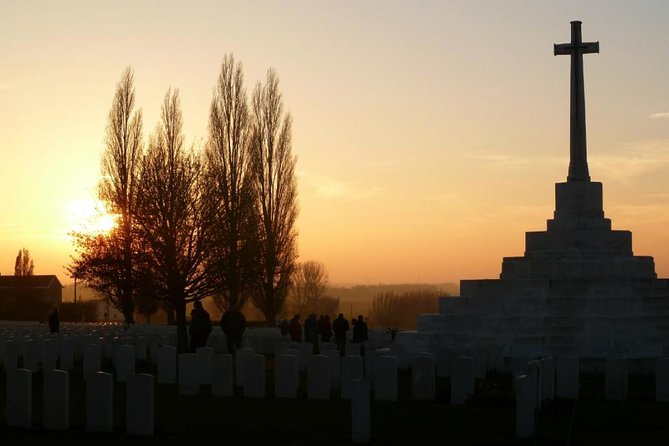
- Tyne Cot puts the scale of the war in front of you: About 12,000 Commonwealth soldiers are buried there, while the memorial lists 55,000 missing.
- The private format allows flexibility: Family connections and particular units or battles can shape the day.
- Original trenches remain at Sanctuary Wood: This is one of the most unusual physical reminders of the fighting.
- Hotel pickup saves time: Collection is offered from Bruges, Lille, Ghent, Arras, and other locations within a 66-kilometer radius of Ypres.
Why this day works for serious First World War history
Ypres is not a single memorial stop. It is a wide area of fields, villages, woods, cemeteries, roads, bunkers, craters, and rebuilt towns. The value of this tour is that you see those places in a connected order rather than treating each one as an isolated monument.
Soren, the guide, is the key to that connection. He explains the battles with enough detail for a committed First World War enthusiast, but he also gives the larger picture so you do not get lost in dates and unit names. His clear teaching style and light humor help during a long day that deals with grim events.
The Australian thread is especially strong. You follow parts of the advance through the Ypres Salient and hear about actions in 1914 and 1917. If your family served in the region, tell the guide before or during the tour. The private setup allows the day to focus more closely on a relative, regiment, cemetery, or battle.
This is not a quick photo tour. You will spend time at cemeteries and memorials, listen to stories about individual soldiers, and consider how the ground changed during repeated attacks. Expect a thoughtful day rather than a light sightseeing outing.
Other Western Front sites within reach of Ypres:
- From IEPER Private 4-hour Tour of the Ypres Battlefield
★ 5.0 · 154 reviews - In Flanders Fields and Passchendaele Half Day Morning Tour
★ 5.0 · 117 reviews - Ypres: An exploration of the deadly salient battlefields
★ 5.0 · 76 reviews
Messines Ridge and the Christmas Truce
The day begins at 9:00 a.m. with pickup from your hotel or bed-and-breakfast. The first major stop is Messines Ridge, where you spend about two hours hearing about the Battle of Messines and seeing the mine craters.
The mines are one of the most memorable parts of the route. They show how the war was fought below ground as well as above it. The story of Captain Woodward and the 1st Australian Tunnelling Company returns later at Hill 60, so Messines helps prepare you for the technical and human side of underground warfare.
You also visit the scene associated with the Christmas Truce. That part of the day offers a change in tone from battle plans and explosions. It points to the brief moments of shared humanity that occurred amid the fighting, without turning the war into a sentimental story.
Another unusual detail here is the crypt where Adolf Hitler was treated for his wounds. The site connects the First World War to a later chapter of European history, but the guide keeps the focus on the place and its wartime role.
Two hours gives this opening section room to breathe. The tradeoff is that the overall day is tightly packed, so you should be ready to keep moving once the explanations are finished.
Hooge Crater Cemetery and the Menin Road
Hooge Crater Cemetery receives a shorter visit of about 15 minutes. That may sound brief, but the stop has two clear points of interest.
You hear about Pat Bugden VC, a 20-year-old recipient of the Victoria Cross. Individual stories like this help put a human face on the names and numbers connected with the Ypres fighting.
You also stand on the Menin Road beside the area where Australian gun pits supported the assault on Passchendaele. The road is not just a route between stops. It helps you picture how troops, artillery, supplies, and wounded men moved through the battle zone.
The short timing means you should not expect a long cemetery walk. Instead, this stop works as a focused explanation of one soldier and one important line of advance.
The day also includes a site that served as Australian headquarters in September 1917, with discussion of earlier fighting on the same ground in November 1914. The exact stop is not given a separate name, but its purpose is clear: you see how the same piece of ground could matter in several phases of the war.
Polygon Wood, bunkers, and the Fifth Division
At Polygon Wood, you walk through the woods and see concrete bunkers left from the fighting. This is one of the better stops for understanding how soldiers used the ground itself for shelter and defense.
You also visit the cemetery and the Australian 5th Division monument. The combination matters. The bunkers show the physical remains of the battle, while the cemetery and monument show how the dead and the units involved were remembered.
The stop lasts about 30 minutes. That is enough for a walk and an explanation, though not for a long independent exploration. Wear practical shoes, since part of the visit involves walking through the woods.
The tour continues by vehicle along the line of the Australian advance. This keeps the story moving and gives you a sense of distance between the major sites. It also means the day is not made up entirely of walking, which helps during a nine-hour outing.
Other one-day trips from Ypres:
- From Brussels: Flanders Fields Remembrance Full-Day Trip
★ 4.4 · 65 reviews - From Brussels: Guided Day Trip to Bruges and Ghent
★ 4.6 · 8,353 reviews - From Amsterdam: Bruges Day Trip in English with Boat Option
★ 4.4 · 1,989 reviews - From Amsterdam: Bruges Day Trip in Spanish with Boat Option
★ 4.6 · 1,866 reviews
Hill 60 and the mine blown at 3:10 a.m.
Hill 60 brings you back to underground warfare. Here you hear about Captain Woodward and the 1st Australian Tunnelling Company, including the huge mine that was detonated at 3:10 a.m. on June 7, 1917.
You see the resulting crater, which gives the story a physical anchor. Dates and military plans can feel abstract in a book. At Hill 60, the ground itself helps explain the scale of the operation.
The visit lasts about 45 minutes. That is a useful amount of time for hearing the story, looking at the crater, and understanding why this position mattered. It is also one of the stops that will appeal most to anyone interested in military engineering or tunnel warfare.
The guide’s role is important here. Without explanation, a crater can look like an ordinary depression in the ground. With the account of the tunnellers and the blast, the site becomes a clear part of the 1917 battle plan.
Tyne Cot Cemetery and the scale of Passchendaele
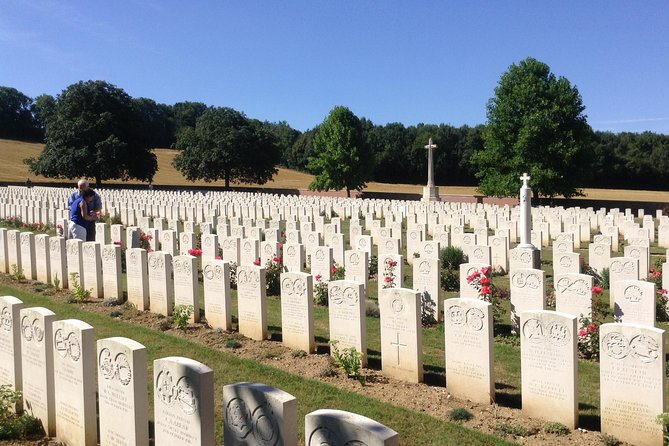
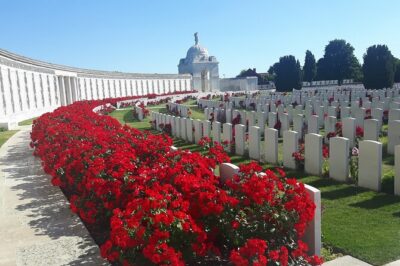
Tyne Cot Cemetery is the emotional center of the day for many people. It is the largest Commonwealth War Graves Commission cemetery in the world, with about 12,000 soldiers buried there. Only about 3,000 of those graves have identified names.
That contrast is hard to miss. The cemetery gives you rows of individual graves, while the larger memorial carries the names of 55,000 missing men. You are not simply looking at a monument. You are confronting the scale of lives lost without a known resting place.
Two Australian Victoria Cross recipients are buried at Tyne Cot, adding another layer to the Australian focus of the tour. Soren can place those individual stories within the larger Passchendaele campaign.
The visit lasts about 45 minutes. That gives you time to take in the cemetery and hear the main explanation, though it may feel short if you want to read many names. The site calls for quiet attention, and you should plan on spending less time taking photographs than listening and looking.
John McCrae and In Flanders Fields
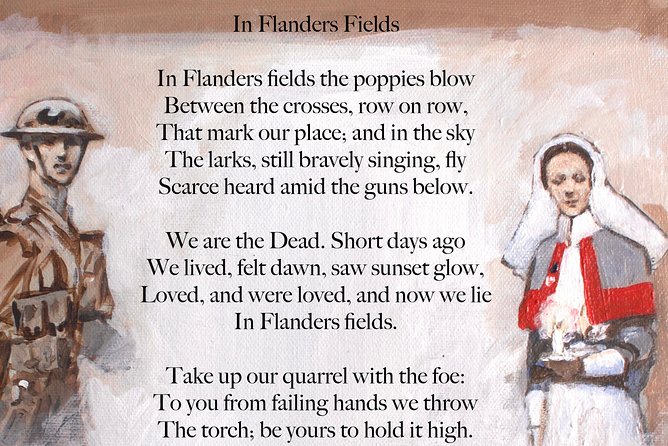
The John McCrae site offers a quieter historical pause. You visit the hospital site where Lieutenant Colonel John McCrae composed In Flanders Fields, one of the best-known poems connected with the First World War.
The stop lasts about 30 minutes. Its importance comes from the link between a working medical site and a piece of writing that shaped public memory of the war.
This is not a poetry-only visit. It fits the wider story of the Ypres Salient, where medical care, artillery, trenches, and cemeteries were all part of the same wartime system. If you know the poem, seeing the place connected with its composition adds weight to familiar lines.
Menin Gate and 55,000 missing names
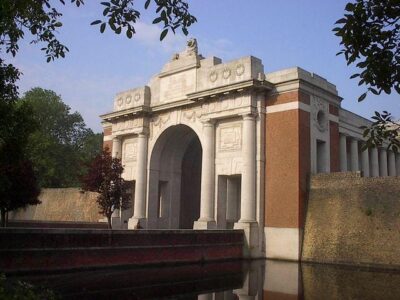
At the Menin Gate Memorial, Soren explains why the memorial was built and tells stories connected with the 55,000 names of missing soldiers recorded there.
The stop takes about 20 minutes, so you receive a focused introduction rather than a long memorial visit. That is enough to understand the purpose of the gate and its place in Ypres remembrance.
If your schedule allows, ask about staying for the Last Post ceremony. One person who had a convenient Bruges pickup specifically noted this as a possibility. The tour details do not promise that the ceremony will fit the day, so treat it as a useful extra to ask about, not a guaranteed part of the tour.
Sanctuary Wood and original trenches
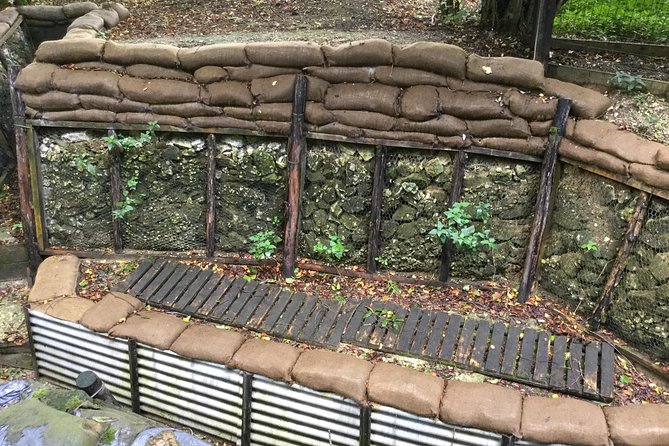
Sanctuary Wood Museum closes the main route with about 40 minutes among original First World War trenches. This is one of the rare moments when the physical setting comes close to the daily reality of trench warfare.
The trenches are the main reason to value this stop. Cemeteries and memorials show what happened after the fighting, while original trench lines help you picture where soldiers lived, waited, and fought.
The museum is the only stop specifically marked as having an admission charge included. The other listed sites are free to enter, so you do not need to budget separate entry fees for them.
Price, pickup, and the shape of the day
The advertised price is $532.32 per person. That is a serious cost, but this is also a private tour lasting about nine hours, with pickup and drop-off from a wide area. For a couple or small group, the cost buys personal attention, no shared coach crowd, and the ability to discuss family history or specific interests.
Value depends on how much you want from the day. If you only want a quick look at the Menin Gate and Tyne Cot, the price will feel high. If you want a guide to explain the battles, connect scattered sites, and tailor the route to your family story, the private format makes more sense.
Lunch is not included. You should plan for that when comparing the total cost. Bottled water is included.
Pickup is offered from hotels or bed-and-breakfasts within a 66-kilometer radius of Ypres, including Lille, Arras, and Ghent Dampoort Station as the Ghent pickup point. Bruges is also listed as a pickup location. Confirm your exact address before booking, especially if you are staying outside the main towns.
The experience is offered in English. Most people can take part, and service animals are allowed. Confirmation is sent within 48 hours, subject to availability. Free cancellation is available if you cancel at least 24 hours before the 9:00 a.m. start time.
Who should book this Ypres battlefield tour
I would choose this tour if you have a strong interest in the First World War, an Australian family connection, or limited time in Belgium and want to cover the main Ypres sites efficiently.
It also suits couples and small private groups who prefer questions and discussion over a fixed coach commentary. Soren’s clear explanations, passion for the subject, and easy humor should appeal to people who want detail without a dry lecture.
You may want a different plan if your main goal is a relaxed day with plenty of free time. The route includes many stops, and some visits last only 15 or 20 minutes. The subject is also solemn, so you should be ready for a day centered on loss, remembrance, and military history.
Should you book it?
Book this tour if you want the Ypres Salient explained as one connected story, with special attention to Australian actions, underground warfare, Passchendaele, and the men remembered at Tyne Cot and the Menin Gate.
The strongest reasons to choose it are the private guide, broad pickup area, family-history flexibility, and access to places that are difficult to understand without context. The main caution is price and pace. At $532.32 per person, it is best for a small group that will make full use of Soren’s expertise and the private format.
FAQ
How long is the tour?
The tour lasts approximately nine hours.
What time does the tour begin?
Pickup begins at 9:00 a.m.
Where can pickup be arranged?
Pickup is offered from hotels or bed-and-breakfasts within a 66-kilometer radius of Ypres. Listed locations include Bruges, Lille, Arras, and Ghent Dampoort Station.
Is this a private tour?
Yes. Only your group participates in the activity.
Is the tour offered in English?
Yes, the tour is offered in English.
What is included in the price?
Bottled water and admission to Sanctuary Wood Museum are included. The listed battlefield sites and cemeteries do not require an admission ticket.
Is lunch included?
No. Lunch is not included.
Which First World War sites are visited?
The route includes Messines Ridge, Hooge Crater Cemetery, Polygon Wood, Hill 60, Tyne Cot Cemetery, the John McCrae site, the Menin Gate Memorial, and Sanctuary Wood Museum.
Can the tour focus on family history?
Yes. The tour can be tailored if you have family history connected with the region.
Can I cancel for a full refund?
Yes, if you cancel at least 24 hours before the experience starts. Cancellations made less than 24 hours before the start time are not refunded.
More Christmas markets and lights around Ypres
Just added in Ypres
- From Ypres, The Christmas Truce to Passchendaele Ypres Based WW1 private tour★ 5.0 · 29 reviews
- In Flanders Fields and Passchendaele Grand Tour★ 5.0 · 25 reviews
- Full Day Canadian WW1 Vimy and Somme Battlefield Tour from Ypres★ 5.0 · 6 reviews
- Discover Tournai while playing! Escape game – The alchemist★ 4.0 · 3 reviews
- e-Scavenger hunt Ypres: Explore the city at your own pace★ 4.5 · 6 reviews
- PRIVATE Australian Western Front Battlefields 3-Day Tour Ypres to Amiens★ 5.0 · 3 reviews
- From Ypres 4hr Christmas Truce and Monster Mines of Messines PRIVATE Tour★ 5.0 · 5 reviews
- From Ypres: WWI Battlefields Private Tour★ 5.0 · 25 reviews
WWI Battlefield Tours, compared.
Great War Flanders Fields Minibus Tour w/ Lunch
Read our review →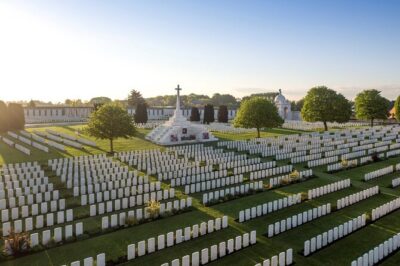
Flanders Fields Remembrance Tour from Brussels
Read our review →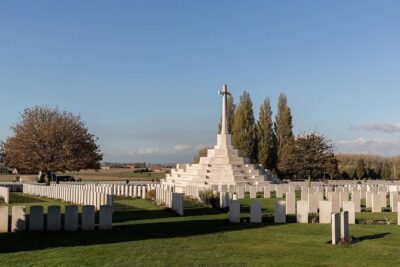

In Flanders Fields and Passchendaele Half Day Morning Tour
Read our review →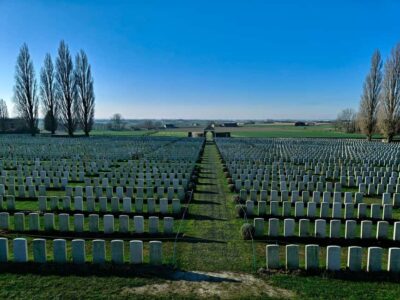
An exploration of the deadly salient battlefields
Read our review →
Remembrance Tour: The Battle of the Bulge in the Ardennes
Read our review →Browse the lists this tour appears in