
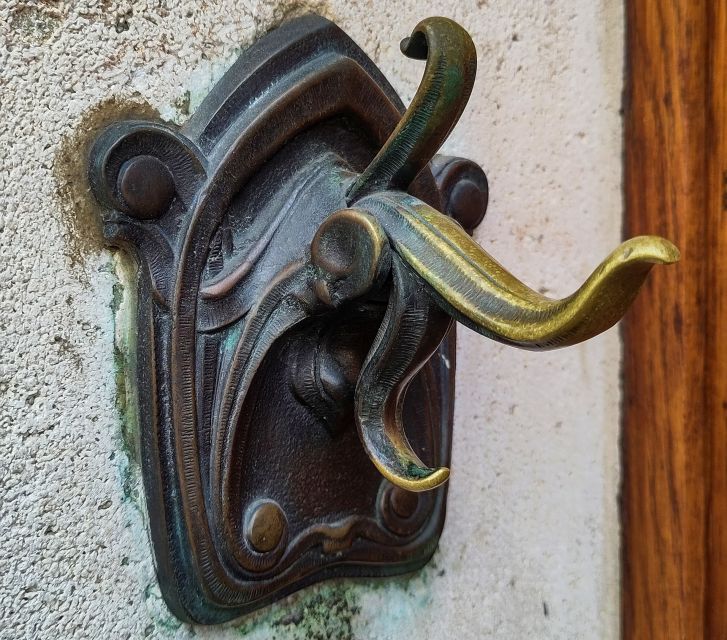
Reviewed · HISTORICAL TOURS
Brussels: Fall and Rise of Art-Nouveau Guided Tour
Brussels Art Nouveau is not confined to one grand museum. It runs along ordinary streets, where curved balconies, painted facades, and decorative details turn a city walk into an outdoor lesson. This tour follows that story through Saint-Gilles and Ixelles, with special attention to sgraffito, a wall decoration that many people mistake for fresco.
I like the small price, $17, and the fact that the tour covers about three kilometers instead of keeping you in one square. I also like the focus on technique. You learn how buildings were made beautiful, not just who designed them. The main drawback is simple: the tour is in Spanish, lasts 150 minutes, and takes place outdoors, so rain and walking comfort matter.
Key points at a glance
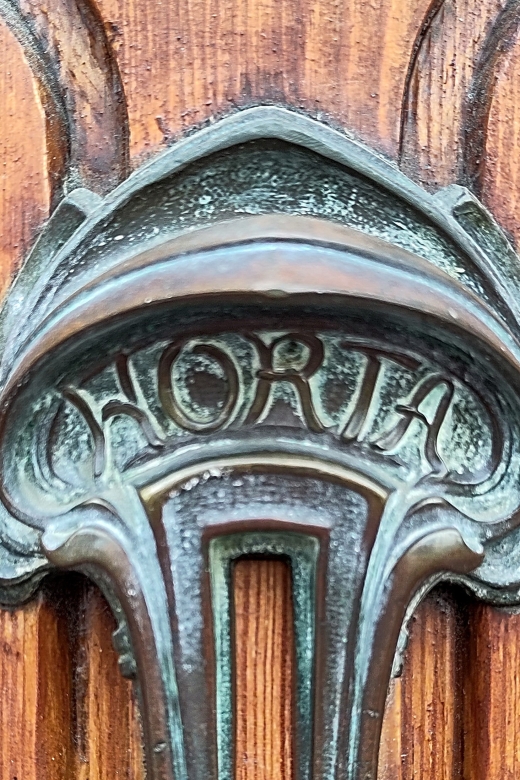
- A three-kilometer route: Walk through the Saint-Gilles and Ixelles areas, two of Brussels’ best districts for surviving Art Nouveau houses.
- Sgraffito explained: Learn how artists scratched through layers of plaster to create decoration, and how this differs from fresco painting.
- Victor Horta connection: See the historical remains of Horta’s Maison du Peuple and consider what has been lost.
- Spanish-language guidance: Samuel is one guide associated with the tour, explaining the subject clearly and answering questions patiently.
- Audiovisual support: Additional images and visual material help you understand details that can be hard to see from street level.
- Practical timing: The walk lasts 150 minutes, begins beside Horta Metro station, and is wheelchair accessible.
Why Saint-Gilles and Ixelles are the right places to study Art Nouveau
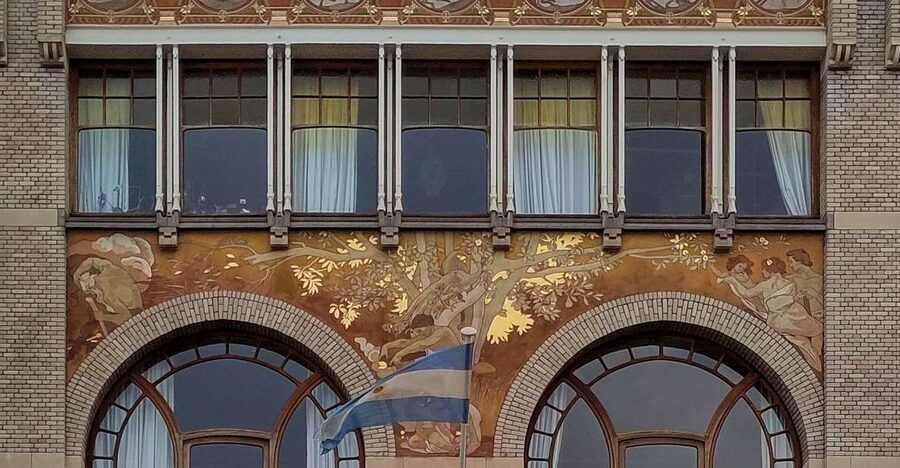
Brussels has 19 communes, or local town areas, and Saint-Gilles and Ixelles contain some of the city’s strongest collections of late nineteenth-century Art Nouveau architecture. These are not just isolated showpieces. The houses appear along streets where people still live, work, and pass through every day.
That setting matters. Art Nouveau was meant to bring beauty into daily life. Its architects treated doorways, windows, balconies, ironwork, and wall decoration as parts of one design. On this walk, you can look at a facade as a complete composition rather than as a pretty old building with a few fancy details.
The route takes you beyond Brussels’ central sights. You trade the Grand Place and historic center for quieter streets on the city’s southern side. That makes the experience feel more like a neighborhood walk than a checklist of famous monuments.
You should expect the guide to point out visual details that are easy to miss on your own. A window may echo the curve of a balcony. A painted panel may frame a doorway. Decorative lines may spread across a facade in a way that makes the building appear to move.
Because exact building interiors are not specified, plan on viewing the architecture from the street. That is still useful here. The exterior is where much of the Art Nouveau message is easiest to read.
More Historical Tours in Brussels
- Brussels: Historical Walking Tour with Chocolate & Waffle Tasting
★ 5.0 · 1,165 reviews - Brussels: Historical Tour with Chocolate & Waffle Tasting
★ 4.8 · 642 reviews - Evening Tour: The Dark Side of Brussels
★ 4.5 · 435 reviews
The first part of the walk: meeting beside Horta Metro station
The meeting point is beside Horta Metro station, served by lines 3 and 4, on Chaussée de Waterloo near number 187. Look for a guide wearing a Curiositas Mundus badge. This is a useful starting point because you can reach it by public transport rather than spending time hunting for a small street corner.
Give yourself a few extra minutes before the start. The station and road name are specific, but the meeting point is described by its position along the street, not by a large landmark. If you are joining in poor weather, arrive with your umbrella or rain gear already accessible.
The tour is offered in Spanish. That should be your deciding factor before booking. If you understand Spanish comfortably, the subject offers plenty to discuss. If you do not, the technical vocabulary of architecture may become difficult, even with the audiovisual material.
The additional audiovisual information is a useful part of the format. Art Nouveau details can be small, weathered, or high above your head. Images can help connect what the guide explains with what you are seeing on the facade.
Reading an Art Nouveau facade instead of just photographing it
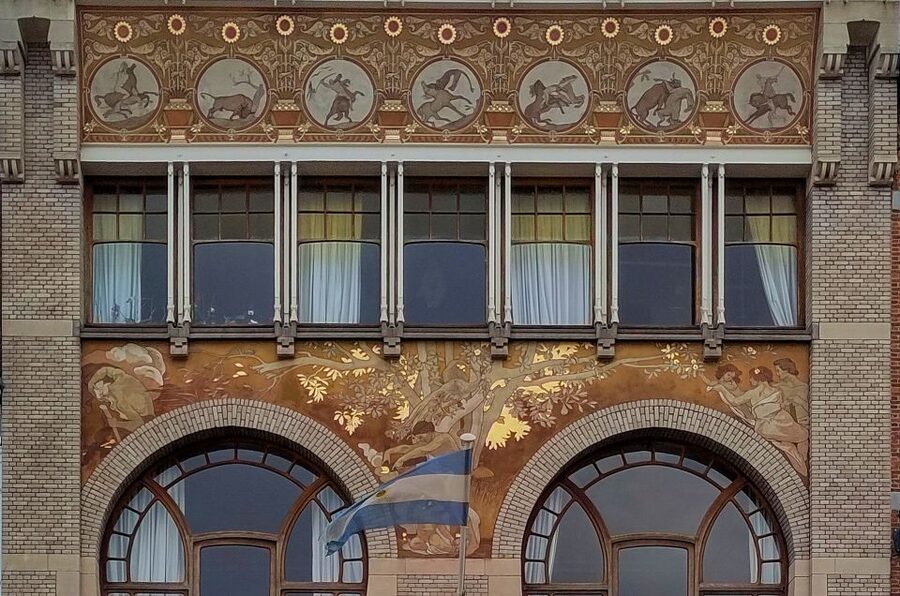
A good Art Nouveau walk teaches you how to look. You may begin by noticing the overall effect, then move closer to the details: flowing lines, plant-inspired decoration, unusual windows, carved surfaces, and the way materials meet at the entrance.
The tour focuses on the techniques used in Art Nouveau. That gives the walk more substance than a simple parade of attractive houses. Instead of hearing only that a building is old or important, you learn what makes its decoration work.
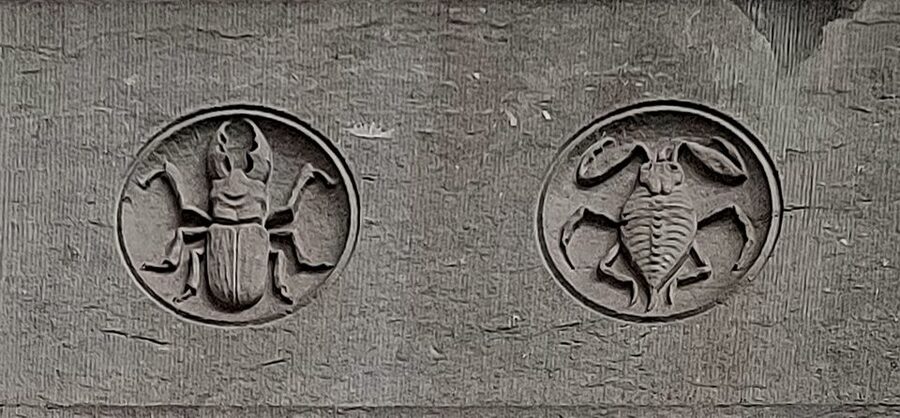
Sgraffito is one of the central subjects. The technique uses layers of plaster or material in contrasting colors. An artist scratches through the upper layer to reveal the one beneath, creating a pattern or image. The result can be found in decorative panels on building exteriors.
This is different from fresco. Fresco is generally painted onto wet plaster, allowing the color to become part of the plaster as it dries. Sgraffito depends on cutting or scratching through a surface to expose another layer. The distinction is practical, not merely academic. Once you know it, you can inspect a facade and ask how its decoration was made.
That kind of lesson is one of the strongest reasons to book this tour. You leave with a way to identify a technique later, even when you are exploring Brussels alone. The buildings become easier to read.
The question of Art Nouveau’s first house
The tour also raises the question of what counted as the first Art Nouveau house. That is a useful question because architectural movements rarely begin with one tidy switch from old to new. Designers borrow, adapt, and experiment.
You should expect the guide to place the buildings in the wider development of late nineteenth-century architecture. The point is not simply to memorize a date. It is to understand why certain forms began appearing in Brussels and how architects moved away from older decorative habits.
The route through Saint-Gilles and Ixelles gives this discussion a natural setting. Rather than hearing about the movement in a classroom, you can compare facades in sequence. One building may use a gentle curve, another a stronger ironwork pattern, and another a more elaborate surface design.
The experience is strongest if you slow down and look where the guide directs your attention. This is not the kind of tour where the best memory comes from walking quickly between major sights. The value is in the explanation of details that you might otherwise pass without noticing.
Other ways into the past around Brussels:
- Brussels 3-Hour Guided Art Nouveau Tour
★ 4.0 · 282 reviews - Historical Walking Tour: The Story of Brussels – by Legends
★ 5.0 · 164 reviews - Brussels: Art Nouveau Pass – Entry to Three Locations
★ 4.0 · 108 reviews - Brussels: Museum Art & History Entry Ticket
★ 4.5 · 58 reviews
Victor Horta’s Maison du Peuple and what remains
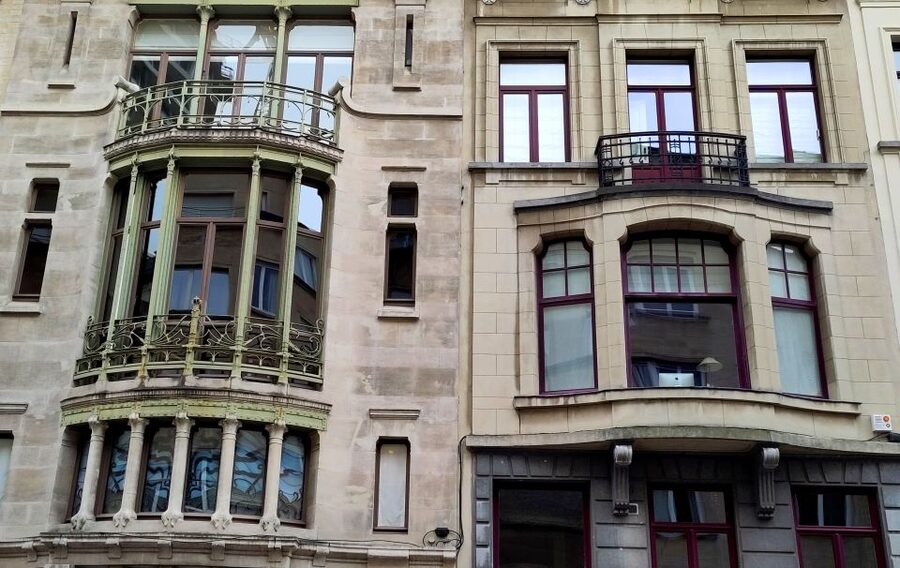
Victor Horta is one of the major names in Brussels Art Nouveau, and the tour includes the historical remains of his Maison du Peuple. The building is an important part of the story because it connects Art Nouveau to public and social life, not only to private homes.
You should keep expectations realistic. The experience focuses on remains, not on a complete, preserved building that you can tour from room to room. That absence is part of the lesson. Buildings can be celebrated, altered, dismantled, or lost, and a city’s architectural story includes all of those changes.
Seeing what survives gives the guide a chance to explain Horta’s work in context. You are not only looking at decorative curves. You are considering how design, function, and public purpose came together in a major building.
This stop will appeal to anyone interested in Horta, but it may feel less rewarding if you expect a full interior visit. The information provided does not promise entry inside. Treat it as an outdoor historical stop within a larger neighborhood walk.
The three-kilometer route through Brussels’ southern districts
The total route covers about three kilometers and lasts 150 minutes. That is a comfortable pace for an architecture tour because it allows time for stops and explanations. You are not being rushed from one address to another.
Still, three kilometers over two and a half hours means you will be on your feet for much of the experience. Wear shoes you can use comfortably on city streets. A small umbrella is also sensible, since the tour continues in the open air.
The route explores the outskirts of Brussels rather than concentrating on the central tourist core. That is a benefit if you want to see a different side of the capital. Saint-Gilles and Ixelles are known here for their charming streets and collections of Art Nouveau houses, so the walk gives you a stronger sense of the city beyond its headline sights.
The route may also suit repeat visitors who have already seen Brussels’ central landmarks. You get a more local urban setting without needing to organize a separate architecture hunt. For a first-time visitor, it works best as a focused half-day addition rather than a replacement for the city’s central sights.
What makes the guide important
Architecture tours depend heavily on the guide. A street full of decorated houses can become confusing without a clear explanation of what to notice and why it matters.
Samuel is specifically associated with this experience. His explanations are described as clear, and he is noted for answering questions without hesitation. That detail matters because Art Nouveau can involve unfamiliar terms, and a good guide should be able to explain them in plain language.
The strongest praise connected to the experience centers on dedication, pleasant treatment, and subject knowledge. You can reasonably expect a friendly, informative Spanish-language approach, though the exact guide may vary by departure.
The guide’s job is not just to point out the next facade. It is to connect techniques, architects, and urban setting. If you have questions about sgraffito, the first Art Nouveau house, or Horta’s building, ask them as you go. The tour format appears suited to conversation rather than silent observation.
Who will get the most from this $17 experience
At $17 per person, the tour offers good value if you want focused instruction. You are paying for 150 minutes with a live guide, a planned route, and added audiovisual material. For someone curious about architecture, that is a modest cost for a full neighborhood walk.
I would recommend it most strongly to:
- People who enjoy looking closely at buildings and decorative details
- Spanish-speaking visitors who want a guided cultural activity
- First-time Art Nouveau students who need the basic terms explained
- Repeat visitors looking for a quieter side of Brussels
- Travelers who prefer a walking route to a museum visit
- Visitors interested in Victor Horta and Brussels design
It may be less suitable if you want to enter several houses, see furnished interiors, or receive the tour in English. The information provided describes a street-based walking experience, not an interior access tour.
It is also worth considering the weather. You are told to bring an umbrella, raincoat, or poncho if rain is expected. Brussels weather can change quickly, and wet conditions may make it harder to study facades comfortably. The tour can still operate in rain, but your enjoyment will depend on how prepared you are.
The activity is listed as wheelchair accessible. If accessibility is important for your booking, you can use that information as a helpful starting point. The route length remains about three kilometers, so consider your own comfort with that distance.
Practical details that affect your decision
The tour lasts 150 minutes, and starting times depend on availability. Check the departure time carefully so you can reach Horta Metro station without a hurried transfer.
You can cancel up to 24 hours in advance for a full refund. A reserve-now, pay-later option is also available, which helps if your Brussels plans are not fully fixed.
The tour provider is Curiositas Mundus. You are encouraged to join its Telegram channel for extra content during the tour. That may be useful if you like receiving additional material while exploring, though joining the channel is not described as a requirement.
Bring:
- Comfortable walking shoes
- An umbrella, raincoat, or poncho
- A phone or camera for facade details
- Enough time to reach the Horta Metro meeting point
- An open mind about looking upward and slowing down
The guide wears a Curiositas Mundus badge, which should help you identify the meeting leader at the station.
Should you book this Art Nouveau walk?
Book it if you want to understand how Brussels Art Nouveau was made, not just take pictures of attractive buildings. The focus on sgraffito, the question of the first Art Nouveau house, and the remains of Victor Horta’s Maison du Peuple give the walk a clear subject and a useful structure.
I would skip it if you need an English-language tour, dislike outdoor walks in uncertain weather, or want extensive interior visits. For everyone else, $17 is a fair price for a 150-minute Spanish tour through two of Brussels’ best Art Nouveau districts.
Samuel’s clear, patient style is a particular reason to hope for his departure, but the main value does not depend on one name. You get a practical way to read the city’s facades, a three-kilometer route through Saint-Gilles and Ixelles, and a better sense of why Brussels remains so important to Art Nouveau.
FAQ
Where does the Art Nouveau tour meet?
The meeting point is beside Horta Metro station, served by lines 3 and 4, on Chaussée de Waterloo near number 187. The guide will wear a Curiositas Mundus badge.
How long does the tour last?
The walking tour lasts 150 minutes, or two and a half hours.
How far do you walk?
The tour covers approximately three kilometers through the outskirts of Brussels, including areas of Saint-Gilles and Ixelles.
What language is the tour in?
The live tour guide speaks Spanish.
Is the tour wheelchair accessible?
Yes, the activity is listed as wheelchair accessible.
What should I bring if it rains?
Bring an umbrella, raincoat, or poncho. The tour takes place outdoors, so rain gear is important in wet weather.
Just added in Brussels
- Standard vehicle from Brussels airport to city of Antwerp★ 5.0 · 4 reviews
- Luxury vehicle from Brussels airport to the city of Brussels★ 4.0 · 5 reviews
- Transfer Brussels Airport (BRU) –> City Center 7 PAX (ONE WAY)★ 5.0 · 7 reviews
- Transfer Brussels Airport –> Brussels MB V Class 7 PAX (ONE WAY)★ 5.0 · 4 reviews
- PRIVATE MPV TRANSFER FROM/TO BRUSSELS AIRPORT (Max 6 pax) ONE-WAY★ 5.0 · 4 reviews
- Luxury Minivan from Brussels airport to the city of Brussels★ 4.0 · 7 reviews
- Transfer Brussels Airport –> City MB E Class 1-3 PAX (ONE WAY)★ 5.0 · 6 reviews
- Brussels: City Walk with Audioguide in 7 Languages on your Phone★ 3.5 · 4 reviews
Historical Tours, compared.
Historical Walking Tour with Chocolate & Waffle Tasting
Read our review →
THE Storytelling Tour of Bruges | First Day Must | History & Tips
Read our review →
Browse the lists this tour appears in