
Reviewed · MUSEUMS
Brussels: Museum Art & History Entry Ticket
The Royal Museum of Art and History takes you from prehistoric tools to Egyptian mummies, Roman models, Asian Buddhas, and Art Nouveau design under one roof. The sheer range is the main attraction: you can move across continents and thousands of years without buying another ticket.
I like the low $11 price and the freedom of a full day, especially if you prefer to pause at a favorite object instead of keeping up with a guide. I also like the setting in Cinquantenaire Park, where a museum visit can end with an easy picnic outdoors. The catch is that this is entry only, with no guide or stated tour route, so you need to bring your own plan.
Key points to know before you go
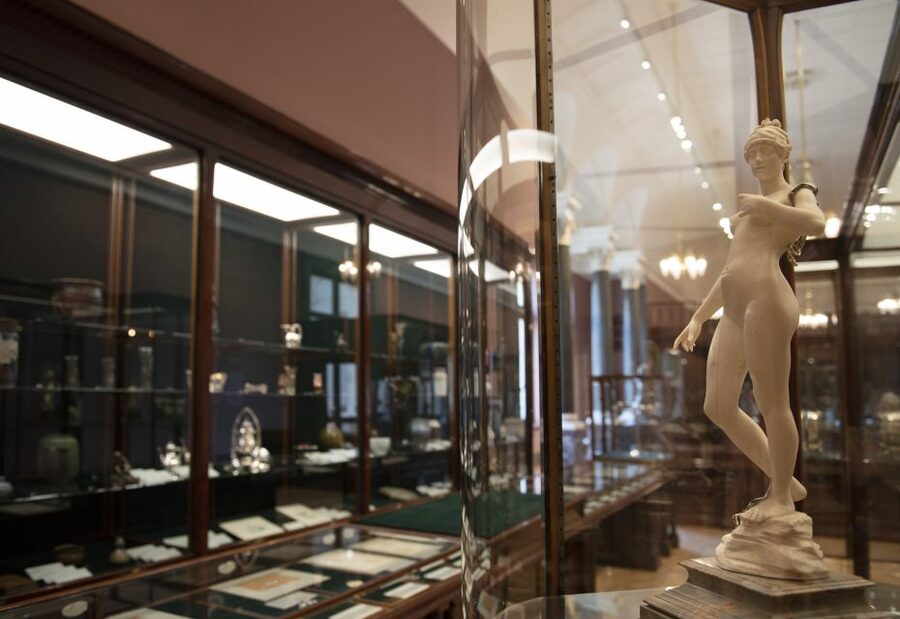
- Roman history gets a memorable centerpiece: See the model of Roma and place ancient city life in a wider Mediterranean story.
- Egypt provides the museum’s most dramatic moments: Mummies and ancient objects give the visit a strong sense of discovery.
- Belgium gets proper attention: National archaeology covers prehistory and the country’s cultural past.
- The collection reaches far beyond Europe: Look for objects from the Islamic world, India, China, Asia, and the Americas.
- The museum suits mixed-age groups: Its variety gives children and adults different things to notice.
- Cinquantenaire Park adds breathing room: Bring food for an informal picnic after the indoor visit.
A world history visit inside Cinquantenaire

The museum occupies a classic building at Parc du Cinquantenaire, one of Brussels’ most useful museum settings. You get a substantial indoor collection, then open park space right outside when your eyes need a break.
The ticket is valid for one day, but that does not mean you need to spend every hour indoors. I would treat it as a flexible base for a half-day or longer visit. You can make a focused trip around Egypt and Rome, or give yourself time to sample all four broad sections.
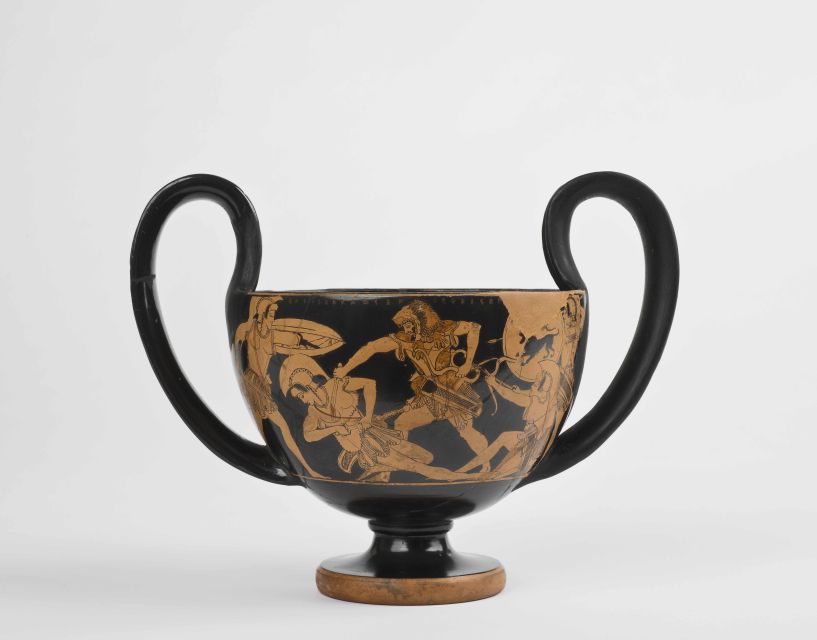
The museum’s plan follows a sensible sweep through time and place. It begins with archaeological discoveries tied to the birth of mankind, then moves through Egypt, Greece, Rome, the Middle Ages, the 16th through 18th centuries, and the Art Nouveau and Art Deco periods of the early 20th century.
That sequence helps you see how objects change as societies change. It also gives you permission to skip around. If ancient history is your main reason for coming, you can spend most of your visit there without feeling that you have missed the point.
More Historical Tours in Brussels
- Brussels: Historical Walking Tour with Chocolate & Waffle Tasting
★ 5.0 · 1,165 reviews - Brussels: Historical Tour with Chocolate & Waffle Tasting
★ 4.8 · 642 reviews - Evening Tour: The Dark Side of Brussels
★ 4.5 · 435 reviews
Ancient Rome, Greece, and the model of Roma
The ancient history collection covers Egypt, Greece, and Rome, but the model of Roma is the detail to seek out first. It offers a broad visual sense of the ancient city, something that small objects alone cannot provide.
A model can make Roman history easier to grasp because it turns names and dates into streets, buildings, and scale. I would use it as an introduction before looking at smaller archaeological pieces. It gives children a clear starting point too, especially if they find rows of cases tiring.
The Greek and Roman material also helps connect the ancient Mediterranean world. You may find the most value here by comparing how the museum presents cultures side by side, rather than rushing from one famous object to the next.
There is a practical limit. The ticket does not include a guide, and the supplied information does not promise an audio tour or special explanation. If you want a detailed lesson in Roman politics or Greek sculpture, plan to read the museum material carefully and allow extra time.
Egyptian mummies and the ancient world
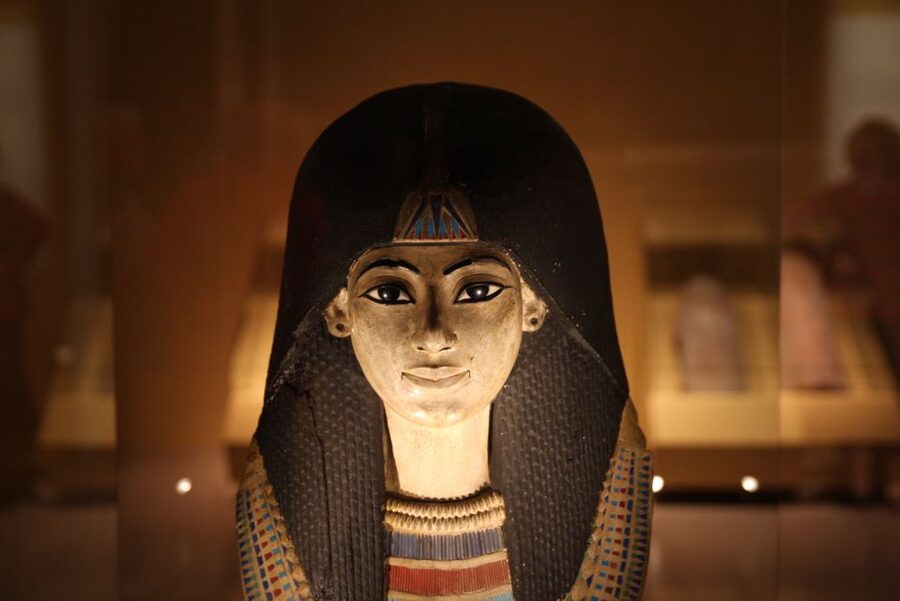
The Egyptian collection is likely to be the most instantly appealing part of the visit. The promise of mummies gives the ancient history section a clear emotional hook, but the value goes beyond the dramatic display.
Egyptian objects can help you think about burial customs, belief, craftsmanship, and daily life. You might find that one mummy draws you in, then sends you toward less famous objects that explain the world around it.
The section works well for families because it offers a simple question to explore: why were these objects made, and what did they mean to the people who used them? Children can focus on visible details, while adults can spend more time on the historical setting.
Keep your expectations sensible. This is a large museum with several major collections, not a single-theme Egypt attraction. If you want to see ancient Egypt properly and also cover Rome, Belgium, Asia, and European design, you will need to choose your pace.
Flash photography is not allowed. That rule matters most in the darker ancient-history rooms, where visitors sometimes instinctively reach for a flash. Keep your camera available, but switch the flash off.
Belgium’s archaeology, from prehistory onward
The national archaeology collection covers prehistory and Belgium’s cultural past. This is the part that gives the museum a stronger local purpose.
International collections can be fascinating, but a visit to Brussels should also help you understand Belgium itself. Archaeological material tied to the country gives you that link. You can connect what you see in the city today with earlier communities and the objects they left behind.
I would not rush this section simply because Egypt and Rome sound more famous. Local archaeology often supplies the context that an international museum cannot. It tells you that the building is not only a window onto distant civilizations. It also belongs to the story of the country you are visiting.
The collection reaches from prehistory through later periods, while other sections cover medieval and early modern Europe. That broad span makes the museum useful for a first visit to Belgium, especially if your trip includes little time for specialized archaeological sites elsewhere.
Other collections worth an hour in Brussels:
- Brussels: Atomium Entry Ticket with Design Museum Ticket
★ 4.4 · 9,254 reviews - Choco-Story Brussels: Chocolate Museum Entrance with Tasting
★ 4.3 · 4,883 reviews - Brussels: 2.5-Hour Chocolate Museum Visit with Workshop
★ 4.6 · 1,263 reviews - Brussels: The World of Banksy Museum Permanent Exhibition
★ 4.7 · 636 reviews
European decorative arts from the Middle Ages to Art Deco
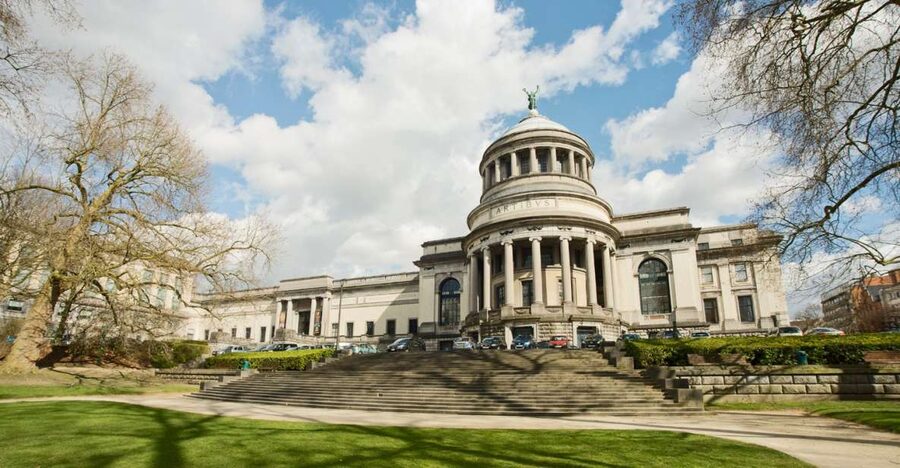
European decorative arts cover the 10th through the 20th century. This section changes the rhythm of the visit. Instead of focusing only on ruins, burial objects, or archaeological fragments, you encounter the design of homes, public spaces, and daily life across many centuries.
The collection continues through the Middle Ages, the 16th to 18th centuries, and into early 20th-century Art Nouveau and Art Deco. Those final rooms give the visit a clear Brussels connection, since the city is closely associated with Art Nouveau architecture and design.
I like this part for the way it rounds out the museum. A history museum can become too focused on ancient civilizations, but decorative arts show how people shaped their surroundings in later periods. Materials, patterns, and furniture can say as much about a period as a formal painting.
You should allow enough time for these displays even if you came for mummies. The change from ancient objects to later European design keeps the day from feeling repetitive.
Asian Buddhas and collections beyond Europe
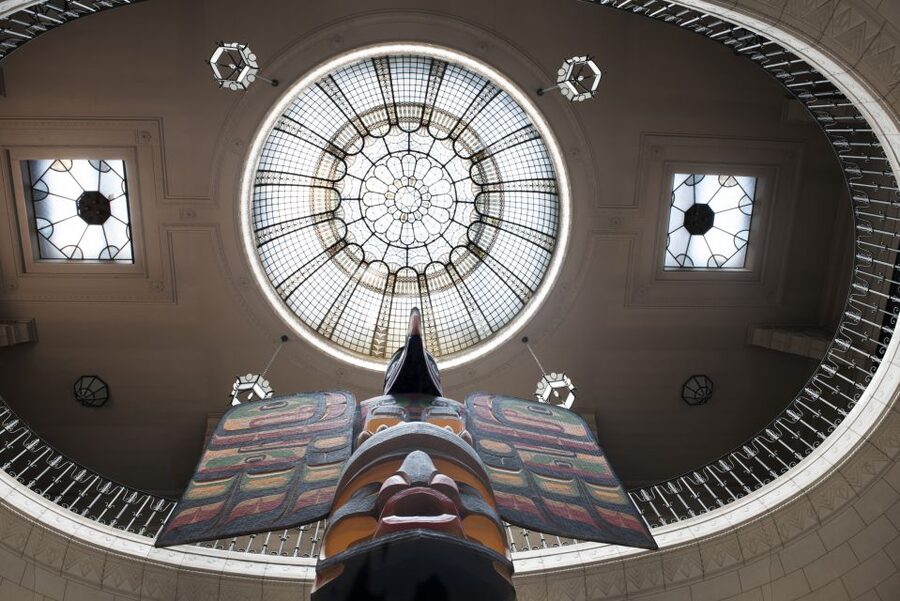
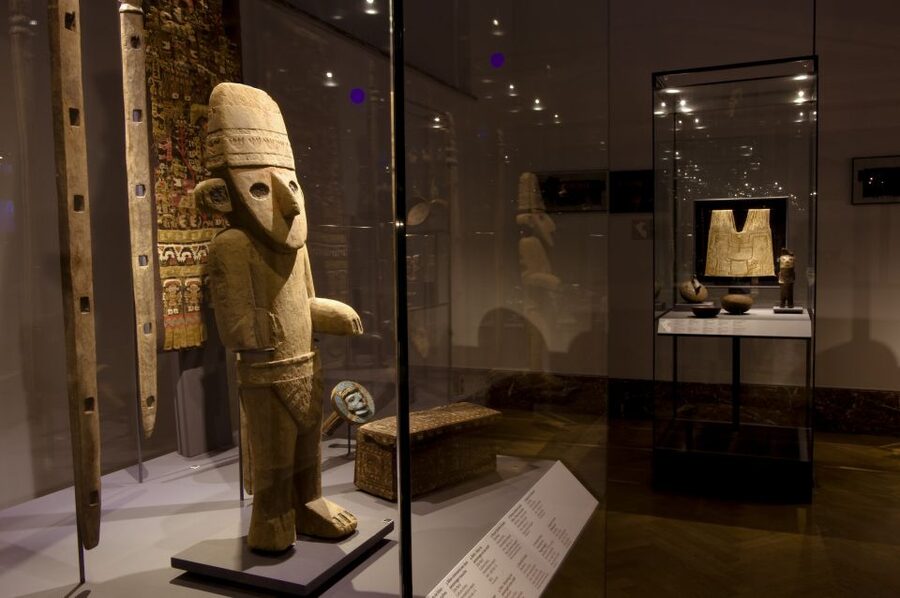
The non-European collections include the Islamic world, India, China, and other parts of Asia, along with treasures from the Americas. Asian Buddhas are specifically highlighted, giving you a clear reason to visit this section.
This wider reach is one of the ticket’s best values. Many museum visits in Europe focus almost entirely on Europe, while this one lets you compare artistic and religious traditions from several regions in one building.
The Islamic, Indian, and Chinese collections also provide a useful counterpoint to the European rooms. You can pay attention to different materials, forms, and ways of expressing religious or political ideas. The Americas section adds another geographical turn without requiring a separate museum visit.
The drawback is simple: a collection this broad can feel like a series of introductions rather than a deep study of every culture. If one section captures your attention, stay there. The one-day validity gives you the chance to return to a favorite area later in the day.
A visit that works for adults and children
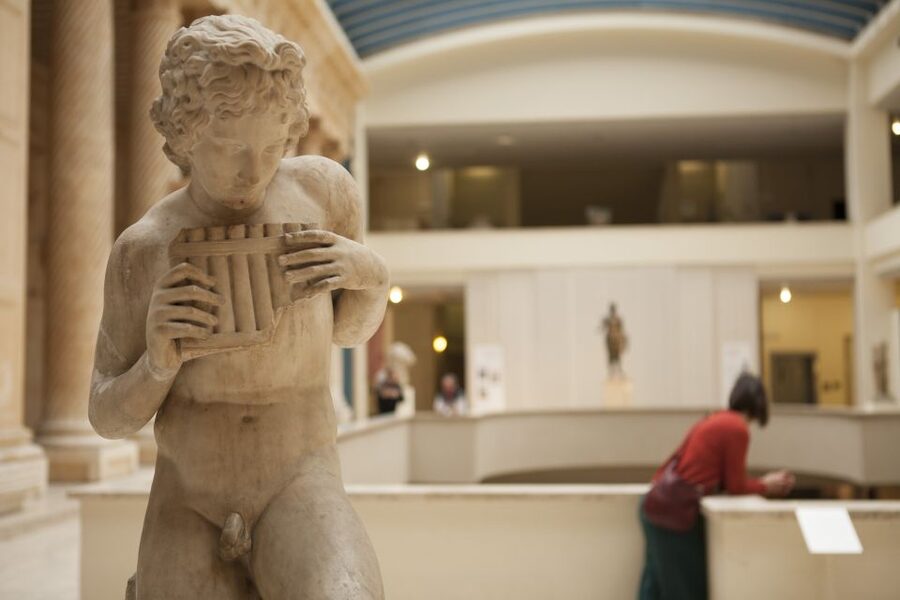
The museum’s wide subject range makes it a good choice for a mixed-age group. One person can stop for ancient Egyptian objects, another can focus on Roman history, and someone else can prefer Asian art or Art Nouveau.
A recent verified booking described the museum as impressive for both adults and children. That matches the structure of the visit: recognizable subjects such as mummies and Rome give younger visitors an easy entry point, while the scale of the collections gives adults more to study.
I would avoid trying to teach the entire museum in one go. Choose two or three themes before entering. For example, you might follow ancient burial customs, compare religious imagery in Europe and Asia, or track the development of decorative design.
Short breaks matter. The full-day ticket lets you leave the galleries, rest in Cinquantenaire Park, and return if the museum allows re-entry under the day’s admission conditions. Since re-entry terms are not specified, confirm them at the entrance before leaving.
Getting to the entrance at Cinquantenaire
The entrance is not beside Autoworld. You need to walk around the corner to the other side of the building and follow the signs. This is the most useful arrival tip because going to the wrong side can cost you time before the visit even begins.
Schuman is the nearest metro station, and Merode is also within walking distance. Train connections include Merode and Schuman, while Brussels Central connects by metro to the museum.
Bus routes 22, 27, and 80 stop at Galliërs. Bus 61, along with trams 81 and 82, stops at Merode. These options make the museum easy to add to a day around the European Quarter or the Cinquantenaire area.
The ticket includes skip-the-ticket-line entry, which matters most at busy times. It does not include transport, a guide, or anything beyond admission, so budget for those separately if needed.
Is $11 good value for one day?
At $11 per person, the admission is a strong buy if you plan to spend several hours with the collections. You are paying for access to ancient history, Belgian archaeology, European decorative arts, and non-European cultures in one place.
The price is less attractive if you only want a quick look at one display. A short visit can still work, but the ticket earns its keep when you give the museum time.
Check your existing museum benefits before booking. One Belgian booking note indicates that a Museum Pass holder paid €8 that may not have been necessary. I would verify the pass rules first, since an existing pass could change the calculation.
The reserve-now, pay-later option also helps if your Brussels plans are still moving around. Free cancellation is available up to 24 hours before the visit for a full refund. Availability should be checked for the date and starting time you want.
Access and practical limits
The museum is wheelchair accessible, which makes the ticket suitable for visitors who need step-free access. For exact route details inside the building, ask the museum when you arrive, since the supplied information does not describe lifts, gallery seating, or accessible facilities.
Plan for a self-guided visit. No guide is included, and no guide’s name or language schedule is provided. That gives you privacy and control, but you should not expect a hosted tour in the ticket price.
The no-flash rule applies throughout the visit. Keep your camera settings ready before entering the galleries.
Should you book the Museum Art and History ticket?
Book it if you want one affordable museum ticket with a very wide scope. It suits families, mixed-interest groups, first-time visitors to Brussels, and anyone who likes moving from ancient Egypt to Rome, Belgium, Asia, and early 20th-century design in one visit.
Skip it if you want a tightly guided experience, a single specialist collection, or a short attraction with a fixed route. You will get the most from this ticket if you choose a few themes, arrive at the correct entrance, and save time for Cinquantenaire Park afterward.
FAQ
Where is the Museum of Art and History?
It is located at Parc du Cinquantenaire in the Brussels Capital Region, inside a classic building. The entrance is on the other side of the building from Autoworld, so walk around the corner and follow the signs.
How long is the ticket valid?
The ticket is valid for one day. Check availability for the starting time connected with your chosen date.
What collections can I see?
The museum includes ancient Egypt, Greece, and Rome; Belgian national archaeology and prehistory; European decorative arts from the 10th to the 20th century; and non-European collections from the Islamic world, India, China, Asia, and the Americas.
Is the museum wheelchair accessible?
Yes. The experience is listed as wheelchair accessible.
Can I take photographs inside?
Photography is allowed only without flash. Flash photography is not allowed.
How can I reach the museum by public transport?
The nearest metro station is Schuman. Merode is also within walking distance. Buses 22, 27, and 80 stop at Galliërs, while bus 61 and trams 81 and 82 stop at Merode. Train access is available through Merode and Schuman, and Brussels Central connects by metro.
More of the past around Brussels
- Brussels 3-Hour Guided Art Nouveau Tour
★ 4.0 · 282 reviews - Historical Walking Tour: The Story of Brussels – by Legends
★ 5.0 · 164 reviews - Brussels: Art Nouveau Pass – Entry to Three Locations
★ 4.0 · 108 reviews - Brussels: The comic book walls walking tour
★ 4.7 · 38 reviews
Just added in Brussels
- Standard vehicle from Brussels airport to city of Antwerp★ 5.0 · 4 reviews
- Transfer Brussels Airport (BRU) –> City Center 7 PAX (ONE WAY)★ 5.0 · 7 reviews
- Luxury vehicle from Brussels airport to the city of Brussels★ 4.0 · 5 reviews
- PRIVATE MPV TRANSFER FROM/TO BRUSSELS AIRPORT (Max 6 pax) ONE-WAY★ 5.0 · 4 reviews
- Luxury Minivan from Brussels airport to the city of Brussels★ 4.0 · 7 reviews
- Transfer Brussels Airport –> Brussels MB V Class 7 PAX (ONE WAY)★ 5.0 · 4 reviews
- Transfer Brussels Airport –> City MB E Class 1-3 PAX (ONE WAY)★ 5.0 · 6 reviews
- Brussels: City Walk with Audioguide in 7 Languages on your Phone★ 3.5 · 4 reviews
Museums, compared.
Atomium Entry Ticket with Design Museum Ticket
Read our review →
Choco-Story Brussels: Chocolate Museum Entrance with Tasting
Read our review →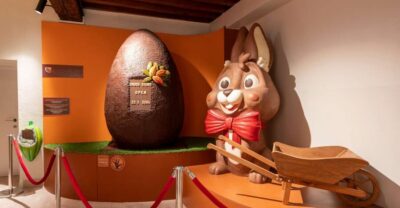
Choco-Story Chocolate Museum Guided Tour w/Tastings
Read our review →
2.5-Hour Chocolate Museum Visit with Workshop
Read our review →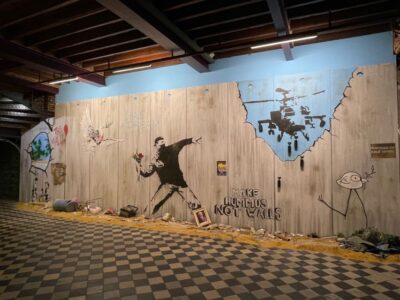
The World of Banksy Museum Permanent Exhibition
Read our review →

Chocolate Making Workshop and Chocolate Museum Entry
Read our review →Browse the lists this tour appears in