
Reviewed · LEUVEN, MECHELEN & MONS
Mons : The Van Gogh House
Van Gogh’s story begins in a much humbler place than the museums of Amsterdam or Paris. In Cuesmes, near Mons, he lived among miners and working families from 1879 to 1880, while still serving as a preacher. This modest home marks the point where that calling began to give way to art.
I like two things here: the site is authentic, and the visit connects Van Gogh’s early life to the working-class Borinage around it. I also like the low price, just $5 per person, which makes this an easy addition to a Mons day. The drawback is clear: the house is small, and the limited amount of material may disappoint you if you already know Van Gogh’s life well.
- A real Van Gogh residence: See the place where he lived and worked before worldwide fame.
- The preacher-to-artist turning point: Learn about the Borinage period that shaped his lifelong subject matter.
- A garden-to-house route: Begin outdoors, continue through a renovated pavilion, then enter the compact home.
- A historical audio ending: Hear the site placed within the social and working setting of the Borinage.
- A self-guided visit: There is no included guide, so you set your own pace.
- A low-cost cultural stop: The $5 admission offers good value, especially for Van Gogh fans visiting Mons.
Why Cuesmes Matters in Van Gogh’s Story
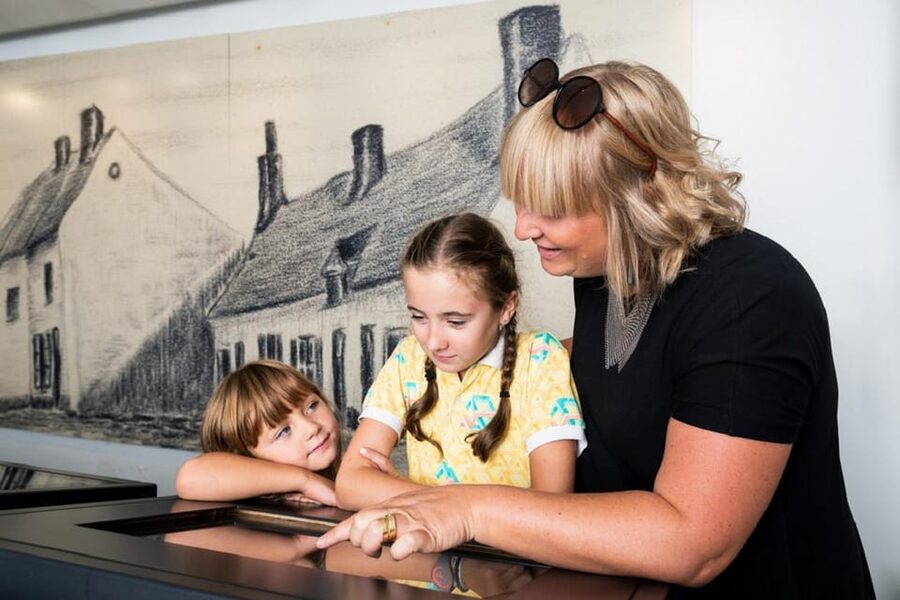
Cuesmes is not the Van Gogh of sunflowers, swirling skies, or grand museum galleries. It is the Van Gogh of hard work, religious concern, simple rooms, and close contact with working people.
From 1879 to 1880, Vincent van Gogh lived and worked in the Borinage while serving as a preacher. During this period, he became closely affected by the miners and families around him. The area’s rural setting and working-class life later remained important threads in his art.
That makes the Van Gogh House useful for understanding what came before the famous paintings. You are not being shown the finished artist. You are being shown the man at a turning point, before he had found his mature style or international reputation.
I find this setting more valuable if you treat it as a place of beginnings. The house cannot show you a large collection of masterpieces, because that is not what it is. Its purpose is to help you picture the conditions and surroundings that shaped Van Gogh’s way of seeing.
Starting in the Garden at the Entrance
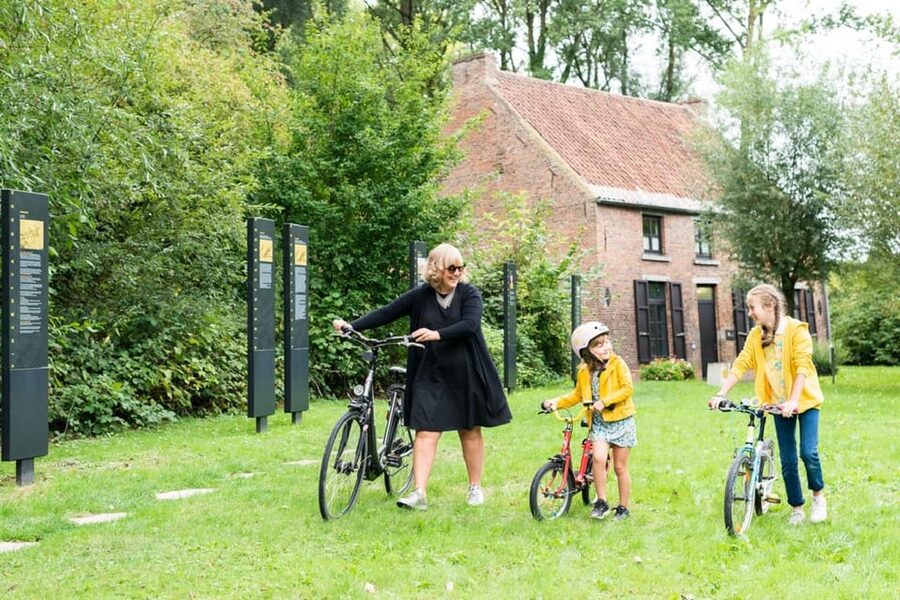
The visit begins in the garden. This opening matters because it gives you a first sense of the setting before you enter the buildings.
The garden helps connect the house to the wider Borinage. Van Gogh’s time here was not formed by an isolated room alone. It was shaped by the nearby countryside, rural surroundings, and working communities. Starting outside lets you consider that broader setting before the indoor displays narrow your attention to his personal story.
You should not expect a large outdoor complex or a long walking route. The garden is an introduction, not a separate attraction. Still, it provides a calmer start and helps the site feel like a place of remembrance rather than a standard art museum.
The greenery is one of the pleasant parts of the visit. If you have just spent time in central Mons, this quieter setting offers a change of pace. Bring realistic expectations, though. The main interest remains the connection to Van Gogh, not the size of the grounds.
Other small Belgian cities near Belgium:
- e-Scavenger hunt Mechelen: Explore the city at your own pace
★ 4.0 · 34 reviews - e-Scavenger hunt Hasselt: Explore the city at your own pace
★ 4.0 · 31 reviews - Mechelen: Planckendael ZOO Entry Ticket
★ 4.4 · 30 reviews
The Renovated Pavilion and Its New Presentation
From the garden, the route continues into a renovated pavilion. This is where the site begins to frame Van Gogh’s story in a more modern way.
The presentation is described as a new scenography, meaning the information is arranged to guide you through the place and its meaning rather than simply placing labels beside objects. That approach suits this house. There is not enough room for a large museum display, so the setting, sound, and sequence of the visit do much of the explanatory work.
You will likely find the pavilion useful for getting your bearings. It introduces the site before you enter the home itself, and it helps explain why Cuesmes matters in the artist’s development. The information is aimed at a general audience, but it should also interest people who already know Van Gogh and want to place his early years in context.
The limits are worth noting. This is not a guided tour, and no personal guide is included. You need to read, listen, and make the connections for yourself. Host or greeter support is available in Dutch, English, and French, but that does not turn the visit into a private explanation by a specialist.
Inside the Small House Where Van Gogh Lived
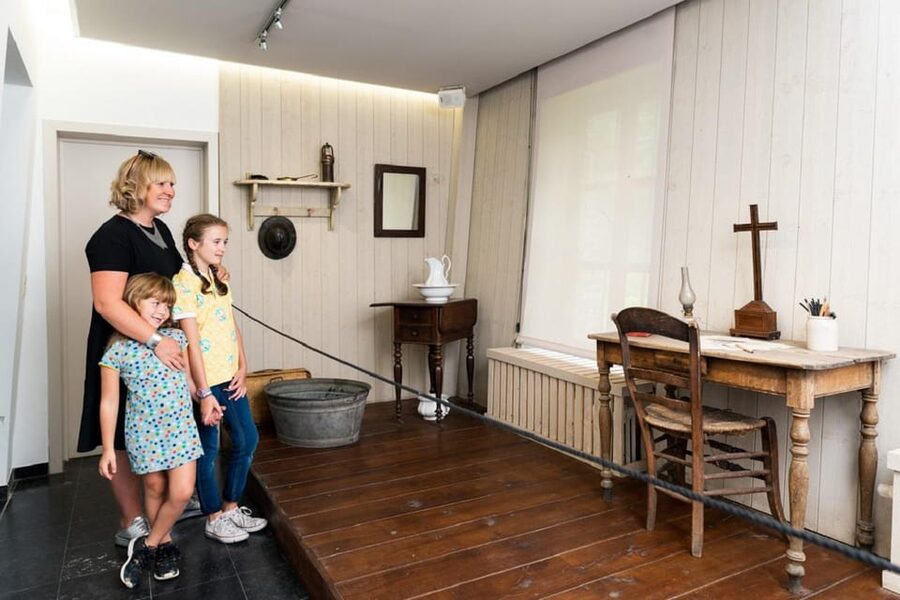
The heart of the visit is the small, modernized house. This is the most direct link to Van Gogh’s time in Cuesmes, and it is also where the attraction’s modest scale becomes most obvious.
You move through a compact space rather than a grand residence. That can be powerful. A small home makes Van Gogh’s early life feel more immediate and less polished than the later museum version of his career. You are looking at the setting of a young man still searching for direction, not a shrine built around an already famous painter.
The house has been updated for visitors, so do not expect every feature to look exactly as it did in the nineteenth century. The goal is to let the spirit of its former inhabitant emerge through the building and presentation. You will need to use your imagination, especially because the house contains relatively little information compared with a major Van Gogh museum.
This is the point where your prior knowledge makes a real difference. If you are new to Van Gogh, the house can serve as a clear introduction to his early period. If you already know his biography well, you may find the visit too brief or too lightly documented. One practical response is to read about his Borinage years before arriving, so the rooms have a stronger meaning when you see them.
The Audio Installation and the Borinage Setting
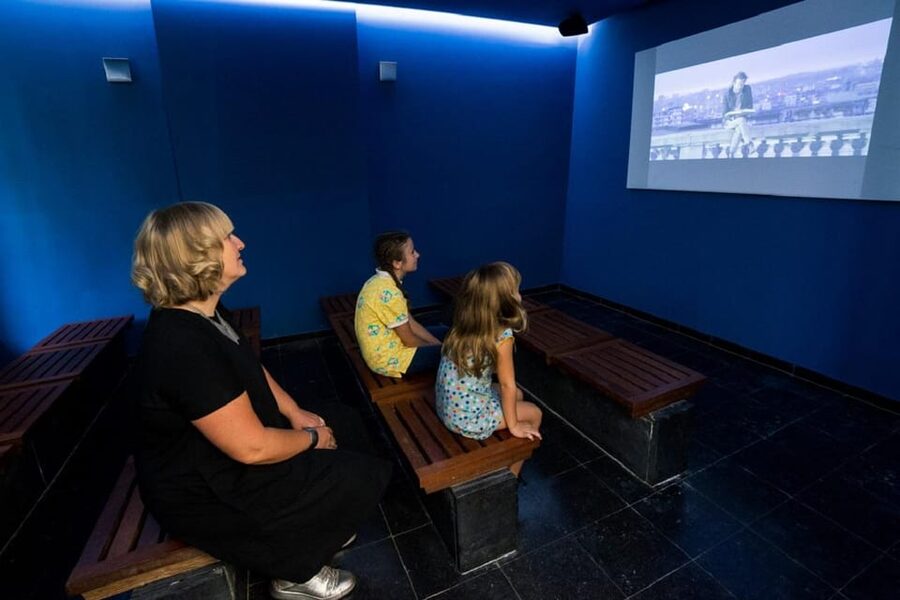
An audio installation concludes the visit. Its job is to place Van Gogh and his early work within the history of the Borinage.
This final section is important because the house alone cannot explain the full setting. Van Gogh’s development was tied to the people and places around him. The audio component helps connect the artist to the mining and working-class environment that influenced him.
Allow enough time to listen properly. The film or audio presentation has been found interesting, but some people may consider it too long. That is a fair warning if you prefer a quick museum stop. The attraction is inexpensive, yet the closing presentation may make the visit feel more substantial than the size of the house suggests.
The best way to approach it is to treat the audio as the interpretive finish. The garden gives you the setting, the pavilion introduces the story, the house provides the personal connection, and the audio adds historical context. If you rush through the final section, you lose much of the explanation that makes the site worthwhile.
Same city, a different sort of day:
- Brussels: Atomium Entry Ticket with Design Museum Ticket
★ 4.4 · 9,254 reviews - From Brussels: Guided Day Trip to Bruges and Ghent
★ 4.6 · 8,353 reviews - From Brussels: Bruges & Ghent Day Tour – 2 Fairytale Cities
★ 4.7 · 8,242 reviews - Ghent: 50-Minute Medieval Center Guided Boat Trip
★ 4.5 · 5,637 reviews
What the $5 Admission Really Buys You
At $5 per person, the Van Gogh House is good value, but only if you want a focused historical stop rather than a full museum experience.
Your ticket covers entry to the house and its presentation. Food, drinks, and a guided tour are not included. Since the site is compact and self-guided, the low price feels fair. You are paying for access to an authentic place connected to Van Gogh, along with the modern displays and audio material that explain its importance.
You should not compare this price with a major art museum ticket and expect the same volume of material. There are no indications of a large painting collection or an extensive gallery route. The value comes from the location itself and from the chance to understand Van Gogh before his later fame.
For a Van Gogh specialist, the price makes the visit an easy choice if you are already in the Mons area. For a casual visitor, it is still a reasonable small expense, but you may want to combine it with other Mons sights rather than travel a long way solely for this house.
Planning Your Arrival in Cuesmes
You must arrive during the time slot you select. Your entry ticket is sent by email and should be shown at the museum reception.
Getting there requires your own transport or public transport. If you use a bus, check the timetable before setting out. That advice matters because the site is in Cuesmes, within the Mons region, and the practical connection may not fit neatly with your wider day unless you plan it first.
Allow extra time for finding the entrance and locating your ticket. One recorded visit involved a long delay at reception while the booking could not initially be found on the site’s computer. The visitor was eventually admitted with the ticket, but the experience shows why you should have the email ready on your phone and, if possible, keep a downloaded copy available.
The booking system allows cancellation up to 24 hours ahead for a full refund, and you can reserve now and pay later. Those terms are useful if your Mons plans are still shifting, but they do not remove the need to respect your selected arrival slot.
The site is wheelchair accessible. Host or greeter assistance is available in Dutch, English, and French, while the visit itself is not a guided tour.
Who Will Get the Most From This Visit
I would recommend the Van Gogh House most strongly to people who want to understand the artist’s early life, not simply see famous works.
It suits:
- Van Gogh enthusiasts visiting Mons or the Borinage
- People interested in the moment when Van Gogh moved from preaching toward art
- Visitors who value authentic historic places over large collections
- School groups and students, especially with a teacher who can add context
- Anyone looking for a low-cost cultural stop with a clear focus
The site can also work well for families, though the small house and historical audio may hold children’s attention only if an adult explains the story as you go. A patient host has been particularly helpful with students, offering clear explanations and taking time to answer questions.
I would be more cautious if you expect an extensive museum, a long guided tour, or many original artworks. The house is restricted in size, and the information can feel limited if you already know the biography in detail. You are coming for place and context, not for a major collection.
How to Build It Into a Mons Day
The Van Gogh House works best as one stop in a broader visit to the Mons region. The attraction is listed as valid for one day, but that does not mean you need to spend an entire day inside the house. It is a compact site with a beginning, middle, and end.
Plan your visit around the selected time slot, then give yourself enough time for the garden, pavilion, home, and audio presentation. Do not judge the experience after only a quick look at the rooms. The final historical material is part of the point.
If you already know Van Gogh’s story, use the visit to think about the difference between the famous painter and the young preacher he was here. If you are new to his work, pay attention to the connection between his surroundings and the subjects that remained important throughout his life.
The green setting also gives you a welcome pause from more formal sightseeing. Just keep your transport plan clear, especially if you are relying on public buses.
The Main Strengths and Limits
The strongest feature is authenticity. You are visiting a real place connected to Van Gogh’s life, not a recreated attraction built around a later legend.
The second strength is focus. The site stays with a single period, the Borinage years, and explains why that time mattered. That makes the experience easy to understand, even if you know little about Van Gogh beforehand.
The third strength is price. At $5, you can take a chance on the visit without making a large commitment. The multilingual support and wheelchair access also make it practical for a broad range of visitors.
The main weakness is scale. The home is very small, and the amount of information may not satisfy you if you want detailed art analysis or a large display of objects. The lack of an included guide means you will not have someone leading the story room by room.
The audio presentation may also test your patience if you prefer short visits. Give it a chance, but plan your time honestly. This is a thoughtful historical stop, not a quick photo opportunity.
Should You Book the Van Gogh House?
Book it if you are interested in Van Gogh’s early years, you are already near Mons, and you enjoy seeing the actual places behind an artist’s biography. The $5 price is modest, the setting is authentic, and the garden-to-house route gives you a clear sense of the Borinage connection.
Skip it if you want a large collection of paintings, a guided tour, or a packed museum with extensive labels. You may find the house too restricted and the information too limited.
For most Van Gogh fans in the Mons region, I would make the stop. Keep your expectations modest, arrive with your ticket ready, and listen to the final audio presentation. That is where this small house gains its wider meaning.
FAQ
Where is the Van Gogh House located?
The Van Gogh House is in Cuesmes, a municipality within the Mons region of Wallonia, Belgium.
How much does admission cost?
Admission costs $5 per person.
How long is the Van Gogh House experience?
The ticket is valid for one day. A precise visit length is not specified, so allow enough time for the garden, renovated pavilion, house, and audio installation.
Is the visit guided?
No guided tour is included. The experience is self-guided, with a historical audio installation at the end.
Which languages are available?
Host or greeter support is available in Dutch, English, and French. The additional information also lists Dutch, English, and French.
What does the entry ticket include?
The ticket includes entry to the Van Gogh House.
Are food and drinks included?
No. Food and drinks are not included.
Is the site wheelchair accessible?
Yes, the Van Gogh House is wheelchair accessible.
How do I receive my ticket?
You receive the entry ticket by email and should show it at the museum reception.
Can I cancel my booking?
Yes. You can cancel up to 24 hours in advance for a full refund. You can also reserve now and pay later.
How can I reach the site?
You can reach the Van Gogh House using your own transport or public transport. If you use a bus, check the timetable in advance.
Do I need to arrive at a specific time?
Yes. You should arrive during the time slot you selected.
Just added in Belgium
- Standard vehicle from Brussels airport to city of Antwerp★ 5.0 · 4 reviews
- Visit of Bruges in 1 day private tour from Paris★ 5.0 · 3 reviews
- Luxury vehicle from Brussels airport to the city of Brussels★ 4.0 · 5 reviews
- Transfer Brussels Airport (BRU) –> City Center 7 PAX (ONE WAY)★ 5.0 · 7 reviews
- PRIVATE MPV TRANSFER FROM/TO BRUSSELS AIRPORT (Max 6 pax) ONE-WAY★ 5.0 · 4 reviews
- Luxury Minivan from Brussels airport to the city of Brussels★ 4.0 · 7 reviews
- Transfer Brussels Airport –> Brussels MB V Class 7 PAX (ONE WAY)★ 5.0 · 4 reviews
- From LIlle or Bruges, Christmas Truce to Passchendaele Ypres 1 day WW1 private★ 5.0 · 5 reviews
Leuven, Mechelen & Mons, compared.
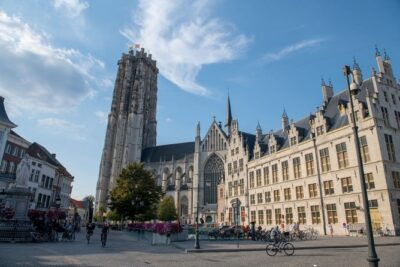
e-Scavenger hunt Mechelen: Explore the city at your own pace
Read our review →
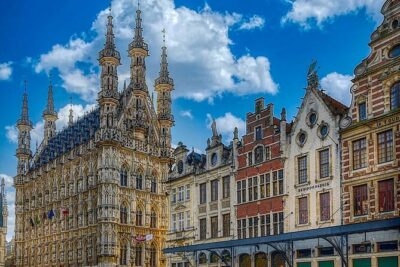
600 Years of History and Heritage: A Self-Guided Walking Tour of Leuven
Read our review →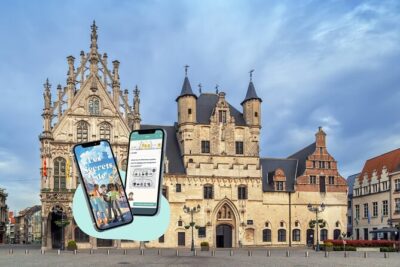
Discover the secrets of Mechelen while playing! Escape room
Read our review →
Discover Mechelen while playing! Escape game – The alchemist
Read our review →Browse the lists this tour appears in