
Reviewed · LEUVEN, MECHELEN & MONS
Mons : the Mons Memorial Museum
War becomes easier to understand when you stop looking only at battles and start looking at ordinary people caught in them. At Mons Memorial Museum, you follow soldiers far from home, civilians living under occupation, and families waiting for letters. I like the preserved piece of bread ration and the first one-tonne German bomb from 1917. Those objects make wartime life feel startlingly real.
I also like the final collection of diaries, postcards, letters, and veteran interviews. The main drawback is that your ticket covers entry only, so you will not have a guided tour or audio guide to explain every display. Plan to read carefully and set your own pace.
Key points at a glance
- War is told through daily life: Follow soldiers and civilians, not just generals and battle dates.
- The collection spans centuries: The museum begins in the Middle Ages and continues through WWII.
- WWI objects are unusually direct: See a German bomb from 1917 and preserved bread rations.
- Personal accounts carry the final rooms: Diaries, letters, postcards, and veteran interviews add a human voice.
- Entry costs about $11: That is a fair price for a substantial museum visit, especially if you take your time.
- Self-guided access keeps things flexible: French, English, and Dutch support is available, but no audio guide is included.
Why Mons Memorial Museum deserves your time
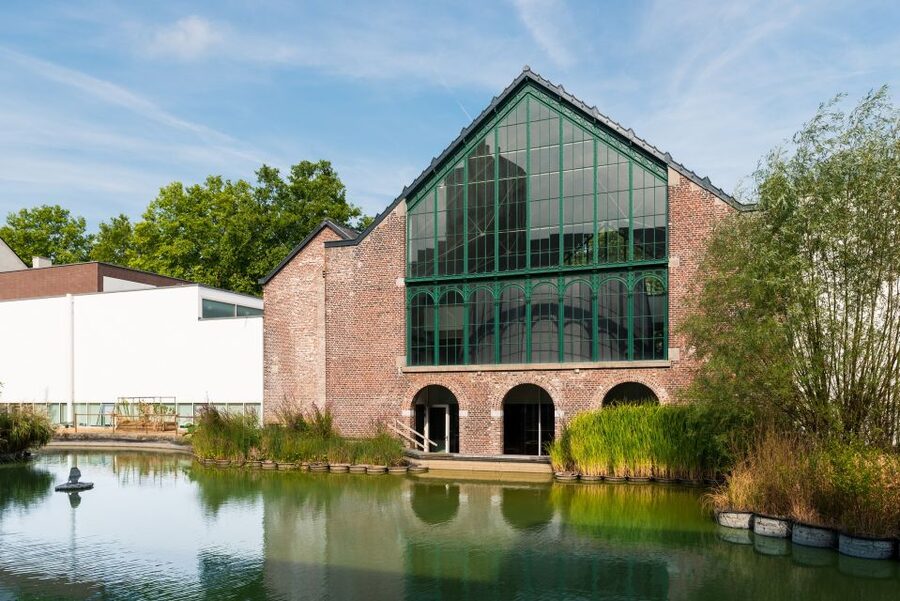
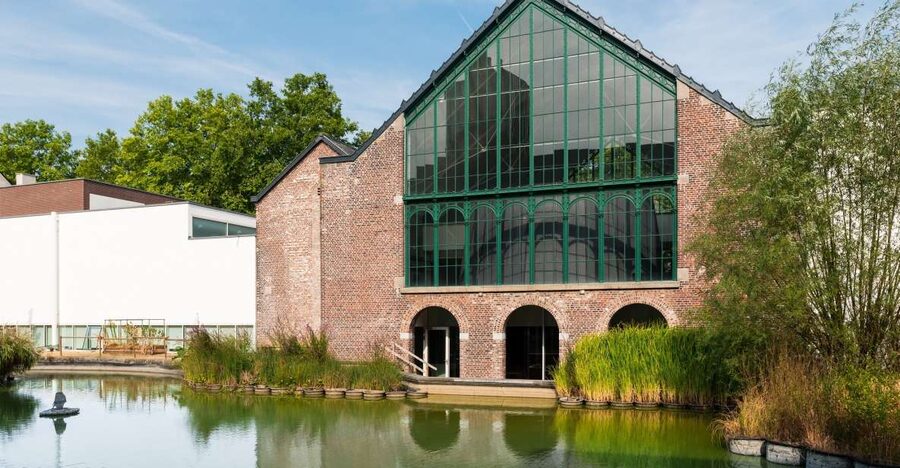
Mons is often linked with its historic center, but this museum gives the city a more serious role in your visit. It asks you to consider how war affects people who carry weapons, people who flee, and people who simply try to keep a household running.
That wider view is the museum’s main strength. You are not given only a parade of uniforms and weapons. Instead, the displays ask how military and civilian life meet during peace, conflict, and occupation. The questions can be more useful than a long list of dates because they help you think about what war does after the fighting reaches a town.
The museum also covers a broad period. You begin in the Middle Ages and move forward to WWII. This long view helps you see that warfare changes with technology, but the human problems often remain familiar: separation, fear, shortages, duty, and uncertainty.
I would not treat this as a quick stop between other sights. The ticket is valid for a day, and that is a clue to the intended pace. You can read the written material, pause over personal documents, and spend time with the films instead of rushing from case to case.
Other collections worth an hour in Belgium:
- Brussels: Atomium Entry Ticket with Design Museum Ticket
★ 4.4 · 9,254 reviews - Choco-Story Brussels: Chocolate Museum Entrance with Tasting
★ 4.3 · 4,883 reviews - Bruges: Choco-Story Chocolate Museum Guided Tour w/Tastings
★ 4.2 · 1,379 reviews
From medieval conflict to modern war
The early sections take you back to the Middle Ages. The point is not simply to show old weapons. The displays help you consider the destructive effects of war in a period when armies, towns, and civilians were closely connected.
For you, this creates useful context before the modern sections. The later weapons may look more familiar, but the museum keeps returning to the people using them and the people living near them. That approach prevents the visit from becoming a technical display of arms alone.
You will encounter weapons from different periods and learn about the men who wielded them. The information is tied to human experience, so the objects have a purpose beyond visual interest. If you enjoy military history, you will find material to study. If you usually prefer social history, the focus on everyday life gives you a reason to stay engaged.
The museum’s long time span is also its possible weakness. A broad story cannot give every conflict the space of a specialist museum. You should expect a structured overview rather than an exhaustive account of every war involving Mons or Belgium.
Soldiers far from home
One of the strongest threads is the daily life of a soldier away from home. The museum looks at more than combat. It gives you a sense of the routine, physical needs, and emotional strain that shaped military life.
The preserved bread ration is a small object, but it may be one of the most effective displays. A piece of food kept in a bottle points to supply, hunger, and the plain needs of a person in uniform. It is less dramatic than a large weapon, yet it may tell you more about an ordinary day.
You also see how soldiers stayed connected with people at home. Diaries, postcards, and letters to sweethearts show how military service affected relationships. These documents can be brief and personal, but they help you picture the person behind the uniform.
I recommend reading these displays slowly. A museum about war can become visually crowded with weapons and equipment. The letters give you a reason to pause and consider the people who waited, wrote, and worried.
Civilians under occupation
The museum gives civilians a place in the story, which is important for understanding occupation. War does not stop at the edge of a battlefield. It changes work, food, movement, family life, and the basic choices available to people living in a controlled town.
Here, the experience shifts from the soldier’s viewpoint to the civilian world. You learn about people who witnessed war without choosing military service. That comparison is one of the museum’s most useful ideas: soldiers and civilians may live through the same conflict, but they do not face the same risks or responsibilities.
The displays encourage you to think about the relationship between military and civilian populations. That can make the visit more demanding than a simple display of uniforms. You are asked to consider power, dependence, and the daily effects of military presence.
Do not expect the museum to turn these subjects into a light family attraction. War and occupation are serious themes, and the material can be emotional. The museum is best suited to visitors who are willing to read and think rather than simply collect photographs.
Other small Belgian cities near Belgium:
- e-Scavenger hunt Mechelen: Explore the city at your own pace
★ 4.0 · 34 reviews - e-Scavenger hunt Hasselt: Explore the city at your own pace
★ 4.0 · 31 reviews - Mechelen: Planckendael ZOO Entry Ticket
★ 4.4 · 30 reviews - Lovely Leuven Highlights Biketour NEDERLANDS
★ 4.5 · 23 reviews
The one-tonne German bomb from 1917
The largest visual jolt comes from the first one-tonne German bomb from 1917. Its size gives you an immediate sense of how warfare had changed by WWI. A weapon built on that scale was meant to destroy far more than a single person or small position.
Large objects help you grasp technology quickly, but the museum does not leave the story there. The bomb works best when you compare it with the bread ration, the letters, and the civilian accounts. One shows industrial force. The others show what that force meant to people.
This mix keeps the collection from feeling like a weapons room. You can study military equipment while also considering the food, messages, and family ties that surrounded it. That balance is one of the reasons the museum feels more thoughtful than a display focused only on firepower.
The final rooms bring the past close
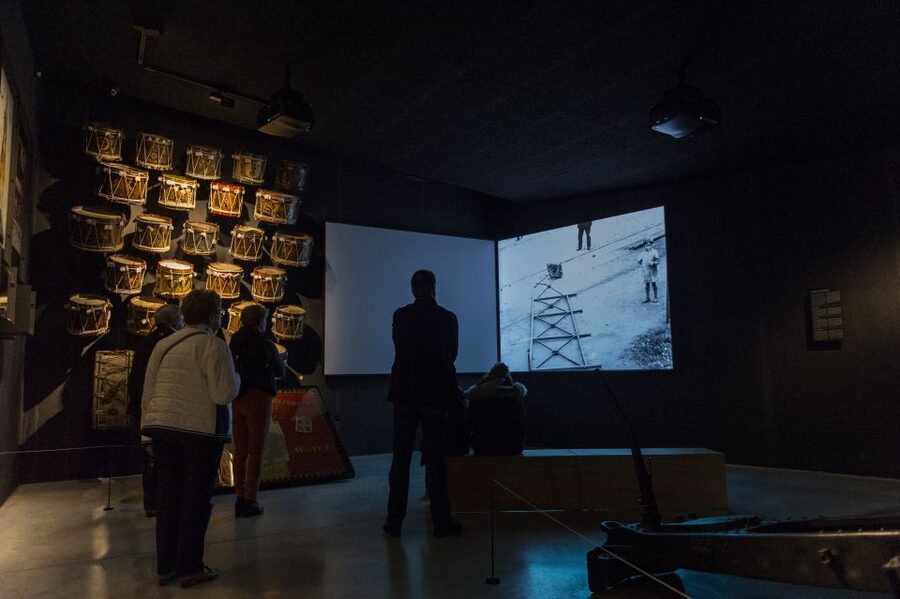
Near the end, recorded interviews with veterans give the museum a human voice. You can watch people speak about their experiences rather than relying only on labels and objects.
The collection of diaries, postcards, and letters continues that personal approach. The letters addressed to loved ones at home are especially useful because they show the distance between military duty and private life. They also remind you that communication itself could carry much of a relationship during wartime.
An exhibit connected with Didier Mahieu has been described as emotional, so allow extra time for this part of the visit if it is on display during your visit. The available information does not provide a full description of that exhibit, but its presence adds another personal layer to the museum experience.
This final section is where I would spend my last unhurried minutes. You may remember the bomb or the weapons first, but the written words and spoken memories are likely to give the visit its lasting weight.
What the $11 ticket delivers
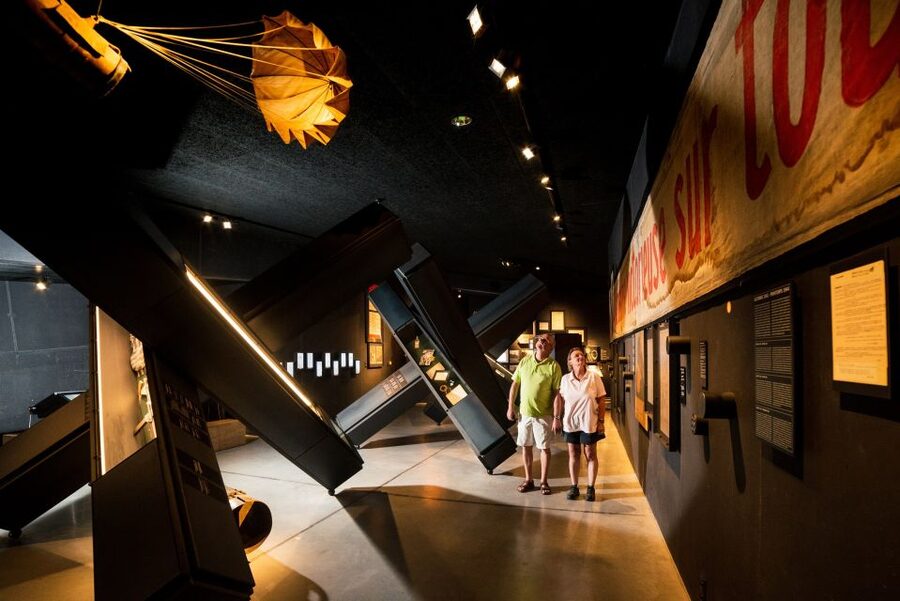
At about $11 per person, the museum offers good value if you use the available time. You are paying for entry to a museum that covers several centuries and includes objects, personal documents, and filmed testimony.
The value is less clear if you want a fast, highly guided introduction. No guided tour or audio guide is included. You will need to read the displays and build the story for yourself. Some people prefer that freedom, while others may find the experience less easy to follow.
The day-long validity works in your favor. You can take a careful first pass, pause when the material becomes heavy, and return to sections that deserve another look. The ticket is not just useful for a brief visit, though you should check the selected starting time and arrive during that slot.
The museum is operated by the Office du Tourisme de la ville de Mons. Your entry ticket is sent by email, and you present it at the museum reception. The host or greeter language options are French, English, and Dutch.
Planning your visit in Mons
Choose a time when you can give the museum your attention. This is not the place for a rushed thirty-minute stop. The subject matter asks you to read, compare, and pause.
The activity is listed with a duration of one day rather than a fixed guided session. That means you have flexibility, but it does not mean you need to spend an entire day inside. Your own pace will depend on how much time you give the written material, films, and personal documents.
Wear comfortable shoes if you plan to combine the museum with more sightseeing in Mons, but there is no transport component attached to this activity. You arrange your own way to the museum and use the ticket at reception.
The museum is wheelchair accessible, which makes the visit easier to plan for visitors with mobility needs. Still, the most important practical point is the language format: French, English, and Dutch are supported, but there is no included audio guide.
Free cancellation is available up to 24 hours before the visit for a full refund. You can also reserve now and pay later, which helps if your Mons plans are still changing.
Who will enjoy this museum most?
I would recommend Mons Memorial Museum to you if you like museums that connect big historical events with small personal details. The letters, bread ration, and veteran interviews are likely to matter more to you than a long list of military specifications.
It also suits visitors who want to understand occupation and civilian life. The museum does not treat war as something happening only to armies. That makes it a useful stop for anyone interested in social history, family history, or the effects of conflict on daily routines.
Families with older children and teenagers may find useful material here, provided they are ready for serious subjects. Younger children may get more from the large objects than from the written accounts, but the experience is not designed as a light entertainment stop.
Military history enthusiasts will appreciate the weapons and German bomb, though they should keep their expectations in check. The museum’s focus is broad and human-centered. You may not get the same level of technical detail as in a specialist arms collection.
The experience also suits independent visitors. You can move at your own speed, revisit a display, and spend longer with the films. If you prefer a guide explaining each object, the lack of a guided tour is the main point to weigh.
Should you book Mons Memorial Museum?
Book it if you want a serious, affordable museum visit that gives equal attention to soldiers and civilians. The $11 price is sensible for a collection that reaches from the Middle Ages to WWII and includes strong personal material, especially the letters, diaries, veteran interviews, and preserved ration.
Skip it if you want a short, fully narrated attraction with a guide leading you from one highlight to the next. You will need to read and make connections on your own.
For most history-minded visitors in Mons, I would make room for it. Go during your chosen time slot, keep the day flexible, and save enough energy for the final rooms. The big bomb may catch your eye, but the quiet documents are what give the museum its human scale.
FAQ
Where is Mons Memorial Museum located?
Mons Memorial Museum is in Mons, in Wallonia, Belgium.
How much does admission cost?
The entry ticket costs about $11 per person.
How long can I use the ticket?
The activity is listed with a duration of one day. Check availability for the starting times and attend during the time slot you choose.
Is a guided tour included?
No. The ticket includes museum entry only. A guided tour is not included.
Is an audio guide included?
No. An audio guide is not included with the entry ticket.
Which languages are available?
French, English, and Dutch are available through the host or greeter arrangements and museum information.
What historical periods does the museum cover?
The museum begins with warfare in the Middle Ages and continues through WWII.
What notable objects can I see?
The displays include German bombs, including the first one-tonne German bomb from 1917, as well as a preserved piece of soldier’s bread ration.
Is the museum wheelchair accessible?
Yes. Mons Memorial Museum is wheelchair accessible.
Can I cancel the booking?
Yes. You can cancel up to 24 hours in advance for a full refund. You can also reserve now and pay later.
Just added in Belgium
- Standard vehicle from Brussels airport to city of Antwerp★ 5.0 · 4 reviews
- Visit of Bruges in 1 day private tour from Paris★ 5.0 · 3 reviews
- Luxury vehicle from Brussels airport to the city of Brussels★ 4.0 · 5 reviews
- Transfer Brussels Airport (BRU) –> City Center 7 PAX (ONE WAY)★ 5.0 · 7 reviews
- PRIVATE MPV TRANSFER FROM/TO BRUSSELS AIRPORT (Max 6 pax) ONE-WAY★ 5.0 · 4 reviews
- Luxury Minivan from Brussels airport to the city of Brussels★ 4.0 · 7 reviews
- Transfer Brussels Airport –> Brussels MB V Class 7 PAX (ONE WAY)★ 5.0 · 4 reviews
- From LIlle or Bruges, Christmas Truce to Passchendaele Ypres 1 day WW1 private★ 5.0 · 5 reviews
Leuven, Mechelen & Mons, compared.
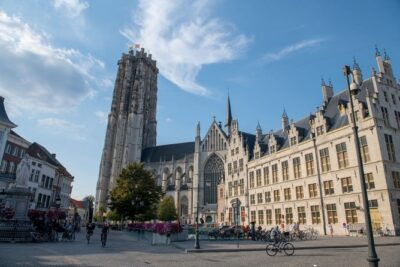
e-Scavenger hunt Mechelen: Explore the city at your own pace
Read our review →
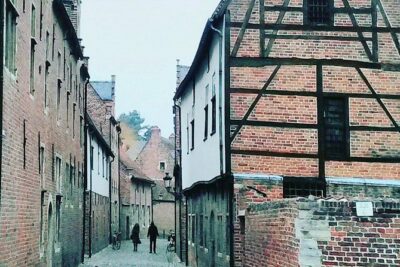
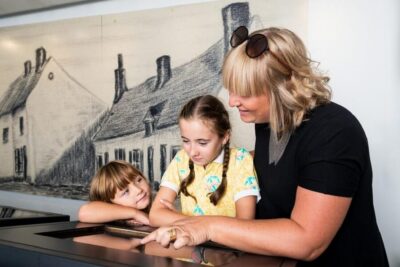
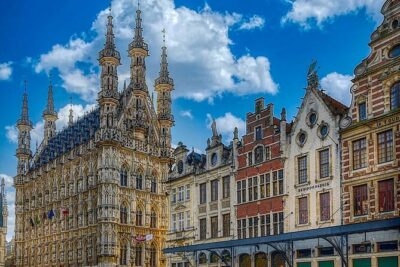
600 Years of History and Heritage: A Self-Guided Walking Tour of Leuven
Read our review →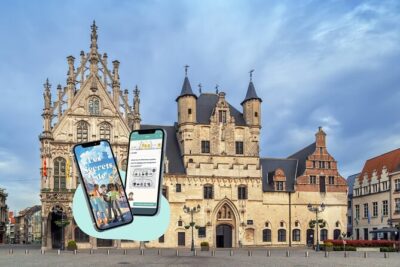
Discover the secrets of Mechelen while playing! Escape room
Read our review →
Discover Mechelen while playing! Escape game – The alchemist
Read our review →Browse the lists this tour appears in