
Reviewed · MUSEUMS
Brussels: Musical Instruments Museum Entry Ticket
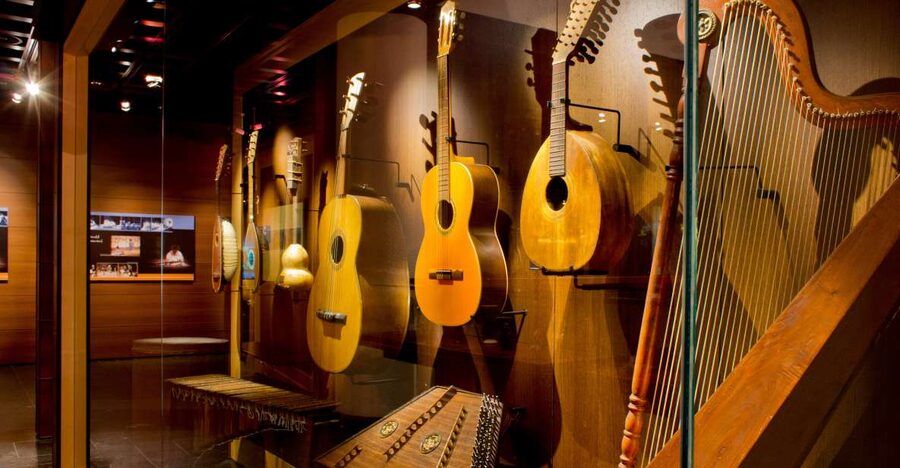
Brussels’ Musical Instruments Museum lets you do something many museums forget: hear the objects on display. Across four floors, your included multimedia device plays almost 300 musical clips, turning rows of wood, brass, strings, and keys into a working collection rather than a silent warehouse.
I especially like the broad sweep of the exhibits and the building itself. You can move from African slit drums to Western keyboards, then pause for the oldest preserved saxophone in the world. The main drawback is that not every instrument has a recording, and the restaurant is closed during renovation.
Key points to know before you go
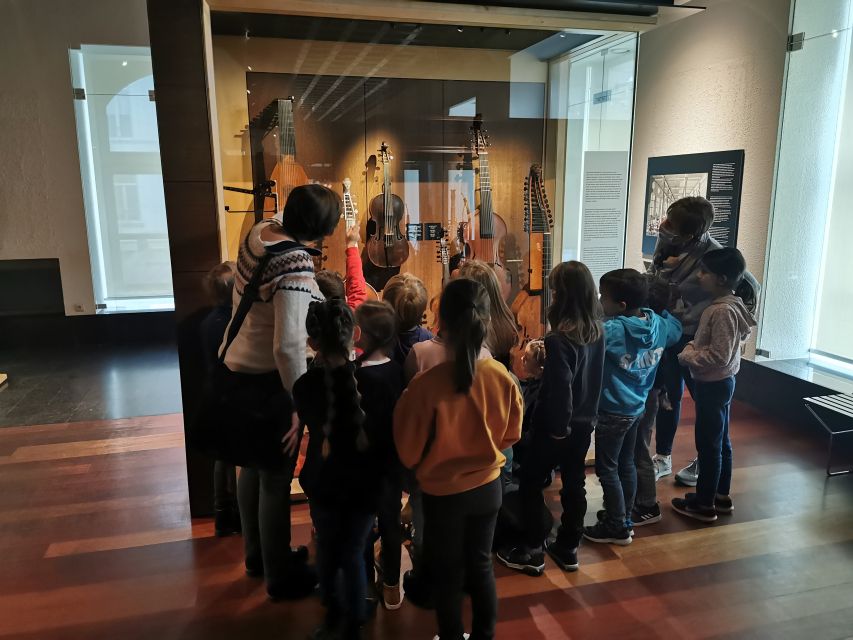
- Almost 300 sound clips: Use the included device to hear many instruments and musical pieces as you explore.
- Four floors of collections: Exhibits cover European instruments, keyboards, world traditions, and electronic music.
- A memorable Art Nouveau setting: The museum occupies the Old England building on Brussels’ Mont des Arts.
- Concerts cost extra: You may be able to attend music in the neoclassical hall, but a concert ticket is not part of museum admission.
- Allow about two hours: That gives you time to sample the exhibits without rushing, though music fans may want longer.
- Simple ticket access: You can skip the ticket line, and the ticket is valid for one day.
The Old England building makes a strong first impression
The Musical Instruments Museum sits on Brussels’ famous Mont des Arts, also called the Hill of the Arts. Before you reach the displays, look up at the Old England building, an Art Nouveau structure with intricate metalwork and a distinctive late nineteenth-century design.
The setting matters because this is not a plain modern box built only to hold cases. The building gives the visit a sense of occasion, especially if you are already walking through central Brussels. You can admire the architecture from outside, then continue inside for the collections.
The museum is operated by the Royal Museums of Art and History. Your ticket is for entry, not a guided tour, so you set your own pace. That works well here because the exhibits invite short stops. You can listen to one clip, move on, and return to a display that catches your attention.
The entrance process has one useful practical detail. If your booking provides a QR code, scan it at the entrance rather than assuming you need to visit the ticket office. Bring the code ready on your phone. This can save you from being sent to another desk while staff sort out whether you have a museum ticket or a Brussels Card.
Other collections worth an hour in Belgium:
- Brussels: Atomium Entry Ticket with Design Museum Ticket
★ 4.4 · 9,254 reviews - Choco-Story Brussels: Chocolate Museum Entrance with Tasting
★ 4.3 · 4,883 reviews - Bruges: Choco-Story Chocolate Museum Guided Tour w/Tastings
★ 4.2 · 1,379 reviews
Four floors, four different ways to think about music
The museum’s layout gives you a wide view of how people make and use music. You are not limited to one country, one period, or one instrument family. The collections move through European music, keyboards, traditions from around the world, and electronic instruments.
That variety is the museum’s main strength. If you already play an instrument, you can compare design and construction details. If you know little about instruments, the audio clips give you a practical way in. You hear what a strange-looking object is meant to do instead of trying to guess from its shape.
A visit works best when you resist the urge to inspect every case equally. Four floors can become tiring if you treat the museum like a checklist. I would use the multimedia device often, choose the instruments that interest you, and leave enough time for the sections that hold your attention.
For most people, about two hours is a sensible visit. That is enough to sample each collection and hear a good number of clips. If you are a serious music fan, a student, or someone who enjoys instrument construction, you can easily spend longer because the ticket is valid for one day.
The audio guide turns objects into performances
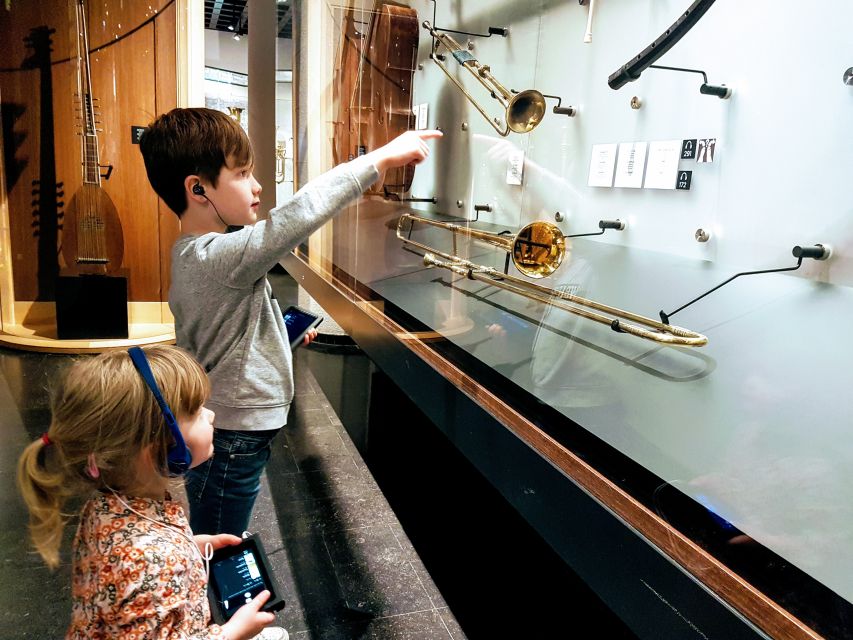
The included multimedia device is the feature that most changes the experience. Nearly 300 musical pieces are available to hear, and the clips help explain why each instrument matters. A carved drum or complicated keyboard can be hard to understand from a label alone. Once you hear it, the display has a clearer purpose.
The audio guide is available in English, Dutch, and French. You do not need to book a separate audio tour, and the device is included with entry. This makes the $17 price more reasonable, particularly if you would otherwise pay extra for a guide.
The recordings are not available for every instrument. That is worth knowing before you arrive. You may find a case that interests you but offers no sound clip, so the museum cannot provide a complete listening sample for every object. Still, almost 300 clips give you plenty to explore.
I would not try to listen to everything. Choose clips from different sections and compare the sounds. Hear a European instrument, then move to a traditional instrument from another part of the world. The contrast helps you understand how materials, shape, and local traditions affect music.
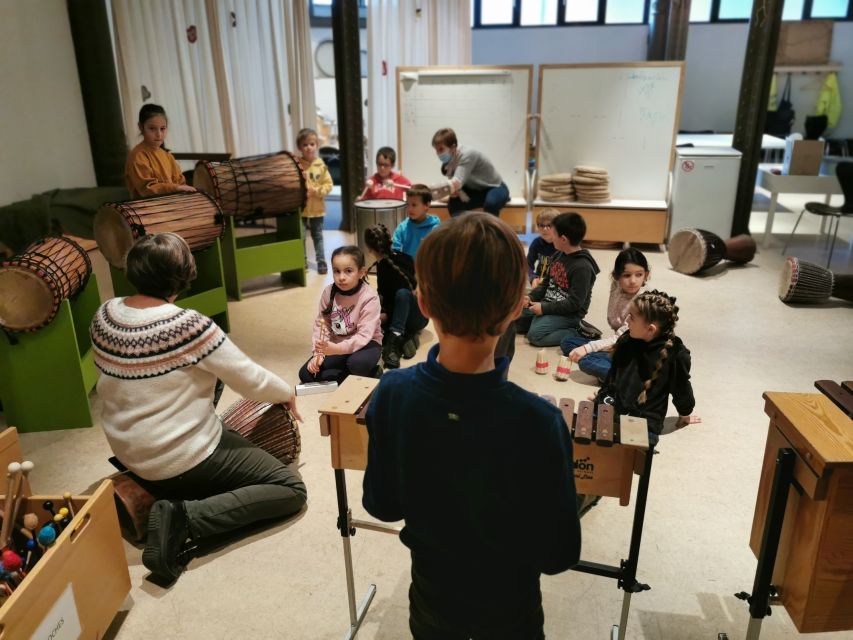
This is also a good museum for children who lose interest in labels. The chance to press a button and hear music gives the visit a clear purpose. Adults who already care about instruments will likely spend more time with the construction and historical details.
European instruments, keyboards, and the oldest preserved saxophone
One section follows the history of musical instruments in Europe. You can see how instruments developed and how different families of instruments were used. The displays give you a useful framework for understanding later rooms rather than presenting unrelated objects one after another.
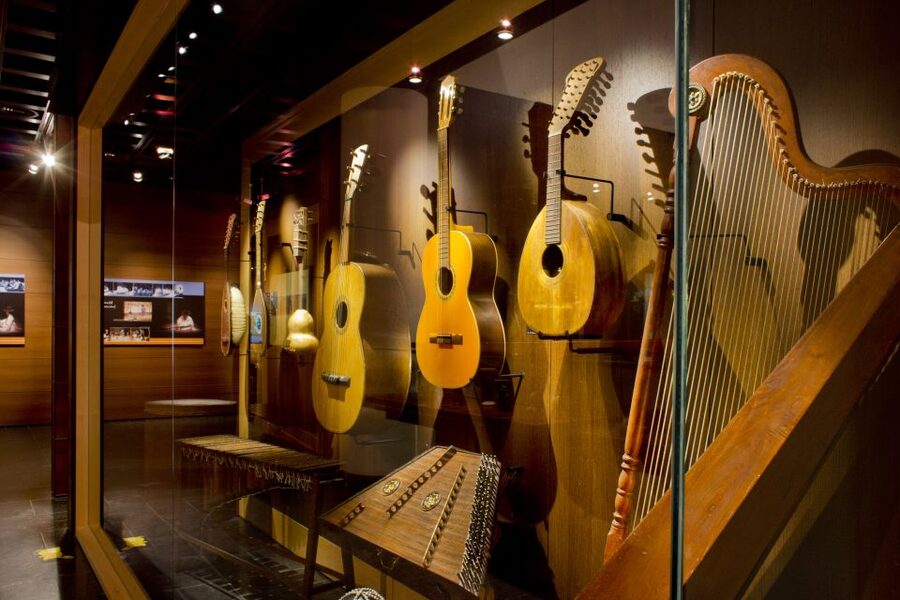
The keyboard collection is another strong stop. Keyboards show how a familiar way of making music has changed over time, and the collection gives you a chance to compare older and newer forms. The objects are especially useful if you play piano or another keyboard instrument, but you do not need technical knowledge to appreciate their design.
Then there is the saxophone display. The museum holds the oldest preserved saxophone in the world, a detail that gives the collection a clear highlight. Even if you are not a saxophone player, this is the kind of object that rewards a deliberate pause. It connects an instrument you may recognize from modern music with an earlier stage of its development.
The museum does not rely only on famous objects. The wider collection shows how instruments can be shaped by available materials, local customs, and changing musical tastes. That broad view is more useful than a room devoted only to celebrated instruments.
Other tickets worth pre-booking in Belgium:
- Brussels: Entry Ticket to Mini-Europe
★ 4.5 · 2,870 reviews - Bruges: Frietmuseum Entry Ticket
★ 4.2 · 652 reviews - Bruges: Historium Bruges Story and VR Ticket
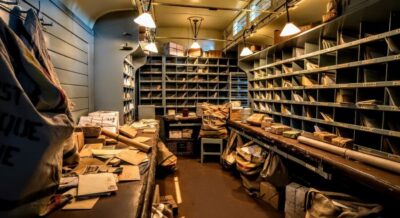
★ 4.5 · 595 reviews - Brussels: Train World Museum Entrance Ticket
★ 4.7 · 524 reviews
World traditions from African drums to unfamiliar instruments
The world instruments section moves beyond the European focus. You can see traditional instruments from different parts of the world, including African slit drums. These displays are valuable because they show that music is not built around one standard family of instruments.
A slit drum may look simple until you hear how it works. The sound clip gives you a better sense of the instrument’s role and character. The same principle applies to unfamiliar objects from other regions. You may not recognize the name, but the recording gives the display an immediate connection to actual music.
I like this section for its variety, but you should give it time rather than racing through it. The museum covers many traditions, so each display cannot receive the attention of a full exhibition. Use the audio device to choose the objects that catch your eye, and accept that you will not hear every possible clip in one visit.
This part of the museum suits curious listeners more than visitors seeking a single famous masterpiece. It asks you to compare sounds and forms. You come away with a better sense of how many different solutions people have created for rhythm, melody, and accompaniment.
Electronic instruments bring the collection into the modern era
The electronic instruments exhibit prevents the museum from feeling locked in the past. Music history continues beyond wooden cases and early brass. Electronic instruments show how technology changed the way musicians produce and alter sound.
The section also provides a useful contrast with the traditional instruments. In one part of the museum, sound may come from a stretched skin, a hollow body, or a vibrating string. In another, the instrument depends on electronic systems. Placing these ideas within one visit helps you see music as both craft and technology.
You may find this section especially appealing if you are interested in modern music production. At the same time, it can be a good final stop for a general visitor because it brings the museum closer to the musical world you already know.
Concerts in the neoclassical hall require a separate ticket
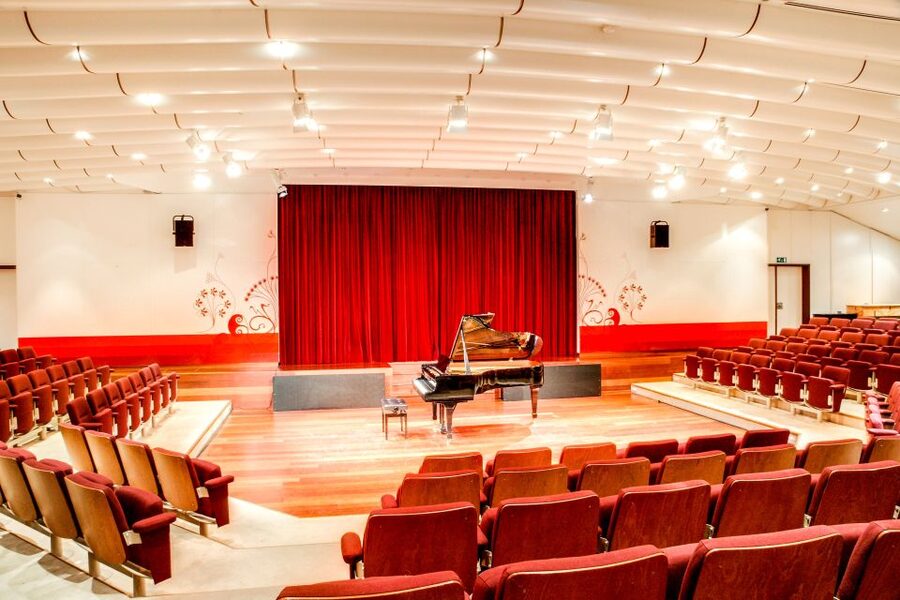
The museum also has a neoclassical concert hall, where live performances may take place. If a concert is scheduled during your visit, it could add a strong live element to the day and let you hear music in an elegant setting.
Keep the ticket details clear: museum admission does not include a concert ticket. You need to arrange concert entry separately. Do not assume that a museum ticket guarantees a seat or access to a performance.
If you are considering a concert, check the schedule and pricing before booking. For a short museum visit, the entry ticket alone may be enough. For music lovers, adding a performance could make the stop feel like a fuller cultural outing, but it is a separate purchase.
Is the $17 admission good value?
At $17 per person, the ticket is fairly priced for a museum with four floors, an included audio guide, and almost 300 sound clips. The value is strongest if you use the device rather than treating the visit as a quick walk through display cases.
The ticket is valid for one day, which gives you some flexibility. You can visit at a suitable time and, if your plans allow, return to a section you did not finish. The information provided does not promise unlimited reentry, so check the entry conditions if you are planning to leave and come back.
The price may feel less attractive if you only want to see the Art Nouveau building or spend a short time with one famous instrument. In that case, the museum needs at least a couple of hours to feel worthwhile. The good news is that the exhibits offer enough range to fill that time without requiring specialist knowledge.
The closed restaurant is a current limitation. Plan to eat elsewhere rather than counting on a meal inside the museum. Since the museum is on Mont des Arts, it fits naturally into a day of central Brussels sightseeing, but the museum itself does not include food or refreshments in the ticket.
Practical details for a smooth visit
The ticket includes skip-the-line entry, which is useful when you want to keep a busy Brussels day on schedule. Check the available starting times when you book, since the ticket information refers you to availability rather than giving one fixed entry time.
Wheelchair access is available. Oversize luggage is not allowed, so avoid arriving with large bags. Flash photography is also prohibited. You can take photographs without flash if permitted by the museum’s current rules, but follow signs and staff instructions around individual displays.
The visit is self-guided. You receive the audio guide in English, Dutch, or French, and there is no guide name to look for at the entrance. That gives you freedom, but it also means you need to manage your own route and timing.
I would visit earlier in the day if you want a quieter, more focused session, though a specific crowd pattern is not provided. Most importantly, bring your phone with the booking QR code ready. That small step may prevent confusion at the entrance.
Who should book the Musical Instruments Museum?
I would recommend this experience to anyone who enjoys music, design, technology, or museums with interactive elements. It is particularly good for people who want more than silent displays, since the recordings let you hear many of the instruments in use.
Families may appreciate the sound clips, and experienced musicians can spend time comparing instrument types and construction. The museum also works for a rainy-day Brussels plan because the main visit takes place indoors across four floors.
I would be less likely to recommend it if you dislike audio guides or prefer a small, tightly focused museum. The collection is broad, and not every object has a recording. Visitors with limited time should plan on roughly two hours, not a ten-minute stop.
Should you book it?
Book this ticket if you want a flexible museum visit with real sound, strong architectural surroundings, and collections that range from African slit drums to electronic instruments. The oldest preserved saxophone and the Art Nouveau Old England building give you memorable highlights, while the audio device supplies the substance.
Skip it if your Brussels schedule is already packed and you cannot spare around two hours, or if you mainly want a concert. The concert hall is a fine extra possibility, but concert entry costs more and must be arranged separately. For a music-minded visitor, $17 is a sensible price for a self-guided visit that gives you plenty to hear and see.
FAQ
How long is the Musical Instruments Museum ticket valid?
The ticket is valid for one day. Check availability when booking to see the starting times offered.
Is an audio guide included?
Yes. The ticket includes a multimedia audio guide in English, Dutch, or French, with almost 300 musical clips.
What can I see at the museum?
You can see European musical instruments, a keyboard collection, traditional instruments from around the world, African slit drums, electronic instruments, and the oldest preserved saxophone in the world.
Is a concert included with museum admission?
No. Concert admission is not included. The museum has a neoclassical concert hall, but you need a separate concert ticket.
Is the museum wheelchair accessible?
Yes. The Musical Instruments Museum is wheelchair accessible.
Can I bring large luggage or use flash photography?
Oversize luggage is not allowed, and flash photography is prohibited. The museum restaurant is currently closed for renovation.
Just added in Belgium
- Standard vehicle from Brussels airport to city of Antwerp★ 5.0 · 4 reviews
- Visit of Bruges in 1 day private tour from Paris★ 5.0 · 3 reviews
- Transfer Brussels Airport (BRU) –> City Center 7 PAX (ONE WAY)★ 5.0 · 7 reviews
- Luxury vehicle from Brussels airport to the city of Brussels★ 4.0 · 5 reviews
- PRIVATE MPV TRANSFER FROM/TO BRUSSELS AIRPORT (Max 6 pax) ONE-WAY★ 5.0 · 4 reviews
- Luxury Minivan from Brussels airport to the city of Brussels★ 4.0 · 7 reviews
- Transfer Brussels Airport –> Brussels MB V Class 7 PAX (ONE WAY)★ 5.0 · 4 reviews
- From LIlle or Bruges, Christmas Truce to Passchendaele Ypres 1 day WW1 private★ 5.0 · 5 reviews
Museums, compared.
Atomium Entry Ticket with Design Museum Ticket
Read our review →
Choco-Story Brussels: Chocolate Museum Entrance with Tasting
Read our review →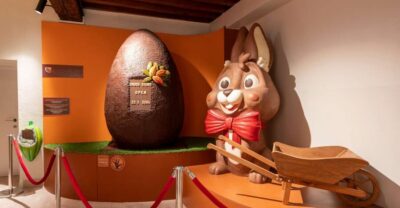
Choco-Story Chocolate Museum Guided Tour w/Tastings
Read our review →
2.5-Hour Chocolate Museum Visit with Workshop
Read our review →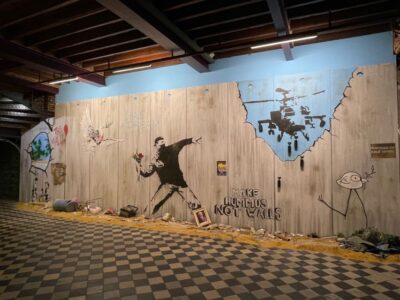
The World of Banksy Museum Permanent Exhibition
Read our review →

Chocolate Making Workshop and Chocolate Museum Entry
Read our review →Browse the lists this tour appears in