
Reviewed · THEME PARKS & ATTRACTIONS
Bruges: Historium Bruges Story and VR Ticket
Bruges’ Historium turns a square in the present-day city into a doorway to 1435, when Bruges was a major trading center. The best part is the mix of film, staged rooms, interactive displays, and virtual reality, which gives you a feel for a medieval city that no longer survives in full.
I like the Jacob and Jan van Eyck story, because it gives the history a human thread. I also like the VR flight over the old Market Square and port. The main drawback is that the presentation is designed as an entertaining introduction, not a serious museum study, and the enclosed VR section may trouble anyone with claustrophobia or a fear of heights.
Key points
- A story-led visit: Follow Jacob, Jan van Eyck’s apprentice, through a short automated journey using film, scenery, and special effects.
- A glimpse of lost Bruges: The VR section shows the former Waterhalle, Belfort tower, Market Square, and St. Donatian’s Cathedral as they looked in the Middle Ages.
- Good for mixed-age groups: Interactive displays and a family trail keep the visit moving better than a standard audio-only museum.
- Useful audio support: Audio commentary is available in English, Dutch, French, German, Spanish, Portuguese, Italian, Mandarin, Russian, and Japanese.
- Central location: You redeem your voucher at the Historium ticket booth at 1 Market Square, right in the heart of Bruges.
- Tower not included: The Historium Tower costs extra, so decide in advance if you want a separate climb and city view.
Bruges in 1435, before the modern postcard view
The Historium begins with an important idea: much of medieval Bruges has disappeared, changed, or been covered by later buildings. You can still admire canals, brick façades, and the Belfort, but it is harder to picture how the city worked when ships, merchants, artisans, and religious buildings filled the center.
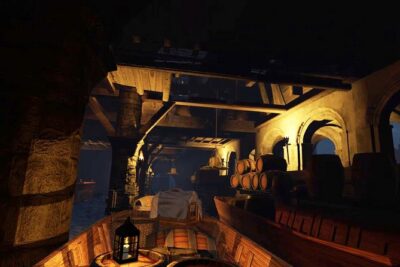
This is where the attraction earns its place. Instead of asking you to read long panels and imagine the past, it uses sound, moving images, backdrops, and reconstructed settings. You get a broad sense of Bruges during its Golden Age before looking at more detailed information in the exhibition.
The presentation is aimed at a general audience. I would not come here expecting a university-level account of medieval trade or Flemish painting. I would come here to get your bearings fast, especially if this is your first day in Bruges and you want the old city to make more sense.
At $30 per person, the ticket is not a bargain basement museum admission. It becomes better value if you use all three main parts: the Historium Story, the interactive exhibition, and the Virtual Reality. If you only want a quick look at old Bruges, the price may feel high. If you are visiting with children or teenagers, the changing format makes the cost easier to justify.
Other parks and attractions near Bruges:
- Historium Story + VR Ticket
★ 4.5 · 369 reviews - Bruges: Historium Bruges Medieval Experience Ticket
★ 4.3 · 220 reviews - Historium Story Ticket
★ 3.5 · 92 reviews
Jacob’s story gives the history a human face
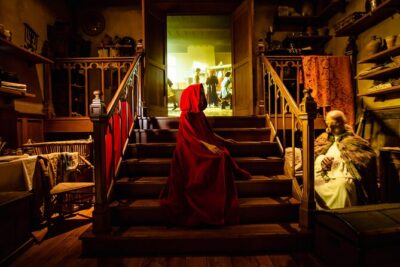
The Historium Story follows Jacob, a young apprentice of Jan van Eyck. His love story carries you through the attraction, giving you a reason to move from one room to the next.
That choice matters. Dates and names can blur together during a city break, but a character gives the period a simple frame. You see the city through Jacob’s world rather than through a list of facts. The story also connects Bruges with Jan van Eyck, one of the great painters associated with the Flemish tradition.
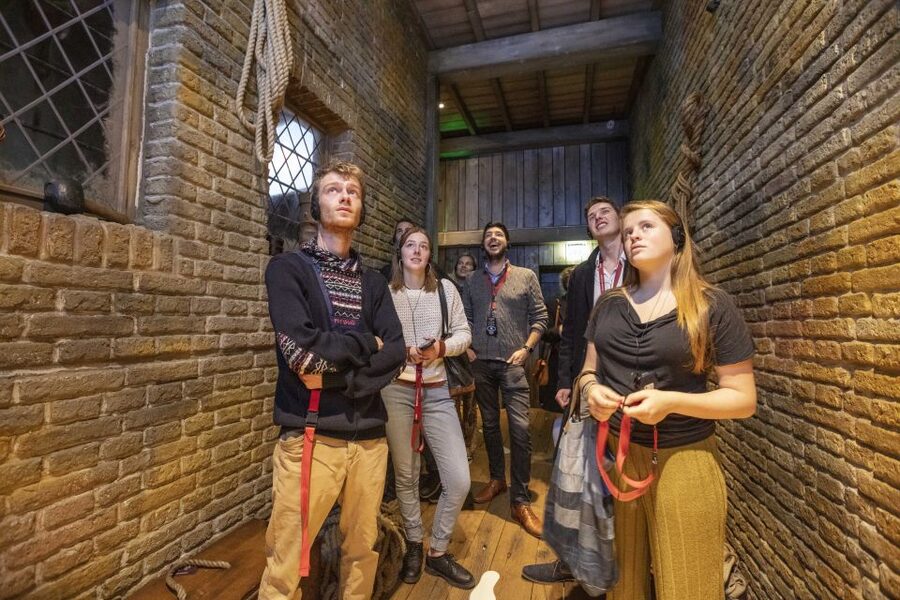
Expect a roughly half-hour automated passage through several rooms. Film, backdrops, and special effects create the sense of a staged journey. The method is more theatrical than contemplative, so you are guided along at a set pace rather than wandering freely from display to display.
I like this format for a first introduction. It keeps the visit from becoming tiring, especially for children and anyone who loses patience with long audio commentary. On the other hand, the fixed sequence leaves less room to pause and study a particular subject.
The story is also not a substitute for seeing Bruges itself. Think of it as a visual primer. Afterward, you can look at the Market Square, canals, and surviving medieval buildings with a clearer idea of what once occupied the city.
The interactive exhibition adds room to pause
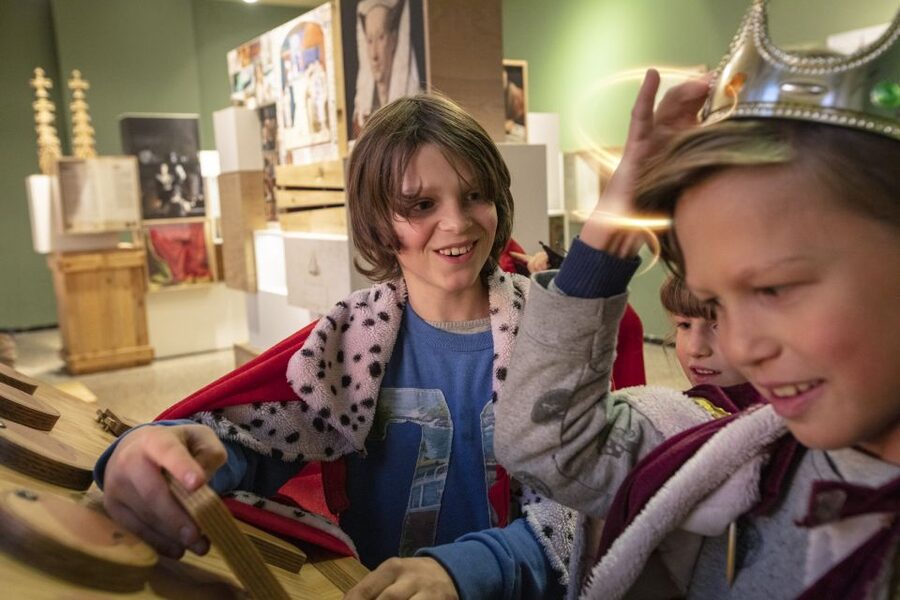
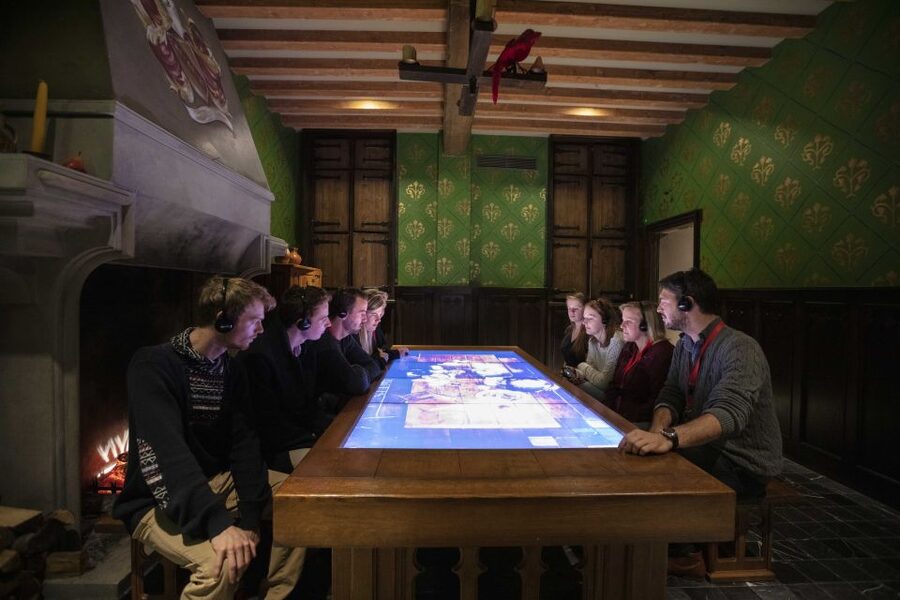
After the story, the Historium Exhibition lets you spend more time with medieval Bruges. Here, interactive displays provide extra information and give you more control over the pace.
This section is useful because it fills in the gaps left by the Jacob storyline. You can stop, listen, look, and choose what interests you. The material is designed to work for adults and younger visitors, so the tone remains accessible rather than heavily academic.
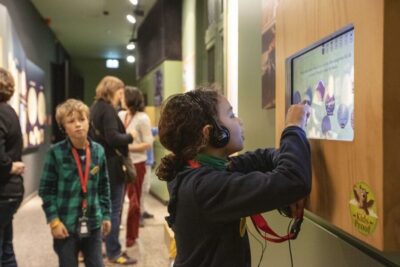
Families can also take the wacky Family Trail. That gives children a task to follow instead of asking them to simply behave in a museum. If you are visiting with teenagers, this part helps keep the day from feeling like a string of old buildings and labels.
You should still set your expectations properly. The exhibition offers an introduction, not every detail of Bruges’ past. A four-star level of satisfaction is a fair way to think about it: the tools work well, the story is pleasant, and the subject is clear, but the attraction may not deliver a dramatic revelation for every adult.
The strongest feature is the variety. You move from a scripted story to interactive material, so the visit does not rely on one screen or one audio guide. That change of pace is a real advantage on a rainy afternoon.
Flying over the lost city in Virtual Reality
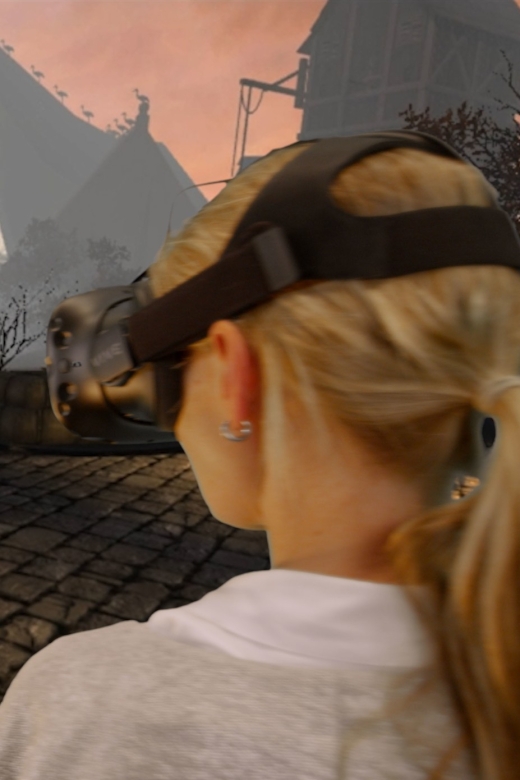
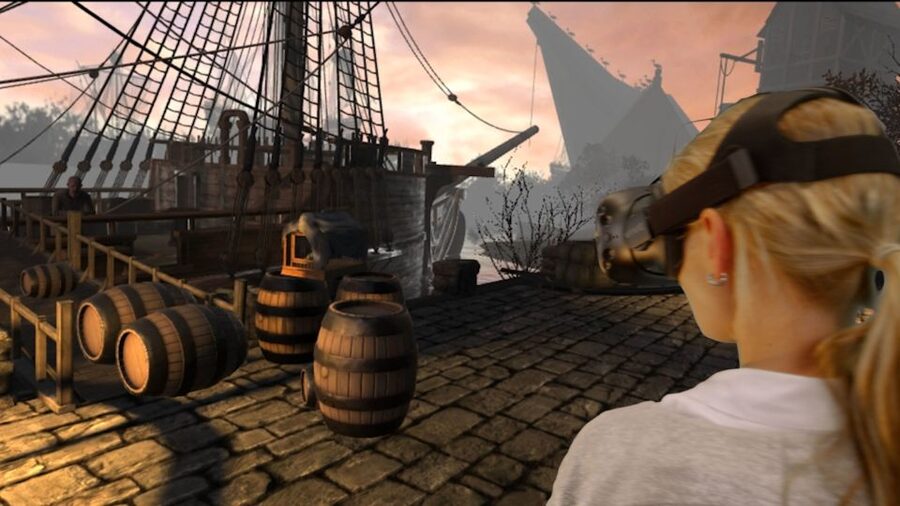
The Historium Virtual Reality section is the star for many people. You travel back to 1435, sail into the old port of Bruges, and then fly over places that have changed or vanished.
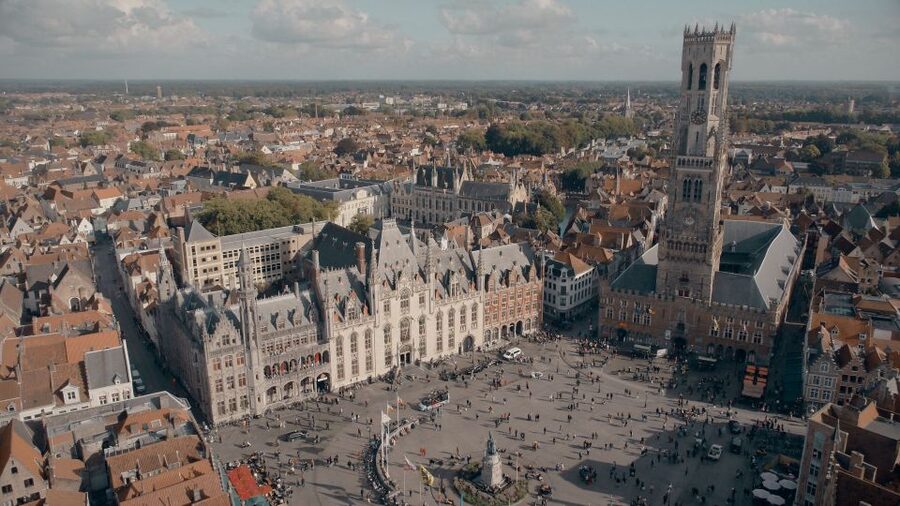
The route includes the Waterhalle, the Belfort tower, the Market Square, and the former St. Donatian’s Cathedral. This is valuable because modern Bruges can make the medieval city look complete. In reality, the city has lost major structures and altered its waterways. The VR sequence helps you see the missing pieces.
The flight over the square can be exhilarating. You get a bird’s-eye view rather than the usual street-level angle, and the height gives the historic plan of Bruges more meaning. It also explains why the attraction warns people with a fear of heights.
The Virtual Reality is recommended for ages 11 and up, though younger children can take part with an adult. The minimum age for the overall attraction is 3, but the full visit is not considered suitable for children under 6. That distinction is useful when you are planning a family outing.
Claustrophobia is another concern. The Historium is not recommended for people who suffer from it, and the attraction advises you to speak with the front desk before entering if you still want to visit. Pets are not allowed, except assistance dogs.
The VR is not a historical lecture. It is a short, sensory way to understand the old city. If you have never tried this type of attraction, it may be the part you remember most. If you dislike simulated motion, enclosed spaces, or height effects, the Story and Exhibition can still offer value, but you may want to ask staff about the VR before committing.
Other tickets worth pre-booking in Bruges:
- Bruges: Frietmuseum Entry Ticket
★ 4.2 · 652 reviews - Bruges Beer Experience Entrance Ticket
★ 4.0 · 185 reviews - Frietmuseum Entrance Ticket
★ 3.5 · 148 reviews - Salvador Dalí Exhibition in Bruges Admission Ticket
★ 3.5 · 118 reviews
Why the order of the visit matters
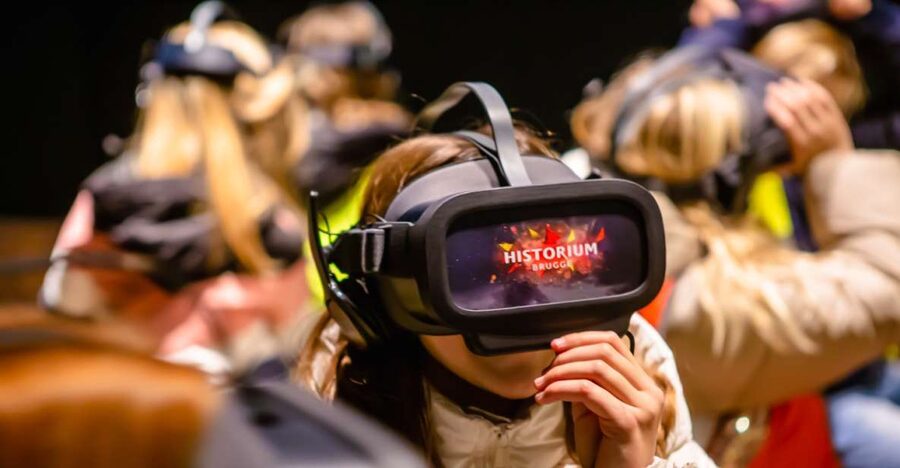
The exact order can depend on how the attraction is operating when you arrive. Some visitors begin with the VR and then continue through the museum sections, while the main point is that the three parts work together.
If the VR comes first, you get a visual map of medieval Bruges before meeting Jacob and exploring the exhibition. If the Story comes first, you gain a human story before seeing the city from above. Either way, the visit moves between emotion, information, and spectacle.
Plan on giving yourself part of a day rather than rushing through in a few minutes. The ticket is valid for one day, and the central location makes it easy to fit around a walk, a canal visit, lunch, or time on the square.
You also get access to lockers and Wi-Fi. Those are small details, but they make the stop easier when you are carrying day bags or moving between other sights.
The audio guide and language choices
An audio guide is included, with options in English, Dutch, French, German, Spanish, Portuguese, Italian, Mandarin, Russian, and Japanese. That gives you more freedom than relying on a live guide for every part of the visit.
The host or greeter languages are Spanish, Dutch, English, French, and German. Staff assistance is especially useful if you have questions about the VR or need to discuss accessibility before entering.
I would use the audio guide selectively. Listen closely during the sections that explain medieval Bruges, then let the visual parts carry some of the visit. The attraction works best when you are not trying to absorb every sentence while also watching the rooms and effects.
Students should bring a student card. The supplied information specifically lists it among the things to bring, so it is worth having with you if you hope to use a student rate or verify student status.
How the Historium compares with the tower
The Historium Tower is not included in this ticket. That matters because the tower may appear to be part of the same outing once you are standing in Market Square.
Some people add the climb for 360-degree views. Others find the narrow space less appealing and note that the view is from roughly one-third of the Belfry’s height. The sensible choice depends on your priorities.
Choose the tower if you want an extra high viewpoint and do not mind paying more. Skip it if your main interest is understanding medieval Bruges, since the Story, Exhibition, and VR already provide the central historical material.
I would not buy the tower automatically. Look at the weather, your energy, and whether you already plan to climb the Belfry. Bruges offers several elevated viewpoints, and you do not need both just to feel you have completed the city.
Access, comfort, and practical limits
The Historium and its facilities are wheelchair accessible. One wheelchair is available free of charge at the ticket office, which is helpful if you need one during the visit.
The attraction does not allow pets for safety and hygiene reasons, though assistance dogs are permitted. Flash photography and video recording are not allowed, so plan to watch rather than document the presentation.
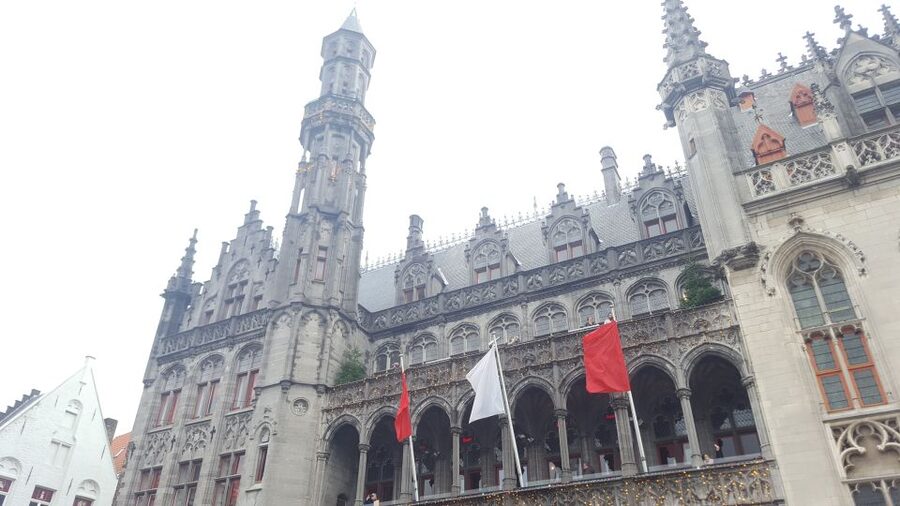
You redeem your voucher at the ticket booth at Historium Bruges, 1 Market Square. That central position makes the attraction simple to combine with a walking day in the old center, and you do not need to arrange separate transport to reach it once you are sightseeing in central Bruges.
The Tourist Information Point is open daily from 10:00 AM to 5:00 PM, except December 25 and January 1. You can use it for information about museums, buses, trains, and walking tours.
Free cancellation is available up to 24 hours before the booked visit, and you can reserve now and pay later. Those terms help if your Bruges plans may shift, though you should still check the available starting times when booking.
Who will get the most from the $30 ticket
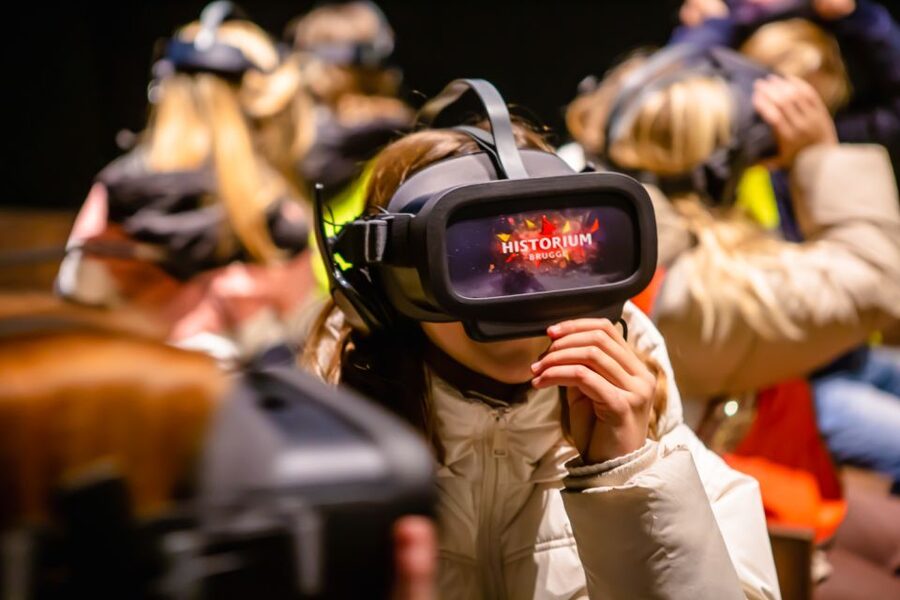
I would recommend the Historium most strongly to first-time visitors, families, teenagers, and anyone who wants an indoor activity that is more active than a standard museum.
It is also a good choice on a wet day. Bruges is often enjoyed from the streets, bridges, and canals, but the weather can turn a walking plan into a test of patience. The Historium gives you a structured indoor stop without abandoning the city’s past.
The attraction suits you if you like:
- Short films and staged rooms
- Hands-on displays
- Virtual reality and visual effects
- A simple introduction before deeper sightseeing
- An activity that works for mixed ages
- History presented through a story rather than only text
You may want to skip it if you prefer quiet galleries, original objects, or detailed scholarly information. The Jacob story is engaging, but it is still a fictional route through a historical setting. The exhibition adds facts, yet the main purpose is clarity and entertainment.
The biggest value comes from using the attraction as a starting point. Afterward, walk through Market Square, look for the surviving Belfort, and consider how different the old Waterhalle and St. Donatian’s Cathedral would have made the center. The VR gives those missing structures a place in your mental map.
Should you book the Historium Story and VR ticket?
Book it if you want a lively introduction to Bruges and you enjoy seeing history from several angles. The Jacob story, interactive displays, and VR flight form a well-matched package, and the changing pace explains why the visit works for families and teenagers.
At $30, it is best treated as a substantial indoor attraction rather than a quick museum stop. I would book it for a rainy afternoon, a family day, or a first visit when you want context before exploring the streets.
Skip the ticket if you mainly want original art, quiet historic rooms, or a low-cost walk around the city. Also think twice if you have claustrophobia, dislike height effects, or cannot take part in VR comfortably.
For most first-time visitors who want Bruges’ medieval past explained without a long lecture, this is a practical and entertaining choice. Just remember that the tower is extra, and the Historium works best when you pair it with a walk through the real Market Square afterward.
FAQ
Where is the Historium Bruges located?
The Historium is at 1 Market Square in Bruges, Belgium. Redeem your voucher at the ticket booth there.
What does the ticket include?
The ticket includes the Historium Story, the Historium Exhibition, and Historium Virtual Reality. An audio guide, lockers, and Wi-Fi are also included.
Is the Historium Tower included?
No. The Historium Tower is not included in this ticket and costs extra.
Which languages are available for the audio guide?
The audio guide is available in English, Dutch, French, German, Spanish, Portuguese, Italian, Mandarin, Russian, and Japanese.
Is the Historium wheelchair accessible?
Yes. The Historium and all its facilities are wheelchair accessible. One wheelchair is available free of charge at the ticket office.
Is the Virtual Reality suitable for children?
The overall attraction has a minimum age of 3, but the recommended minimum age for the Virtual Reality is 11. Younger children may use it when accompanied by an adult. The attraction is not considered suitable for children under 6.
Just added in Bruges
- 2-Hour Private Walking Tour of Bruges★ 5.0 · 13 reviews
- Ticket Expo Body Worlds in Bruges, Belgium★ 4.5 · 11 reviews
- The Waffles ‘n Coffee Breakfast in Bruges Centre★ 4.5 · 9 reviews
- 6 Hour Bruges Shore Excursion from Zeebrugge Cruise Port★ 4.5 · 23 reviews
- Explore the Instaworthy Spots of Bruges with a Local★ 5.0 · 3 reviews
- Australian Battlefields Private Tour in Flanders from Bruges★ 5.0 · 15 reviews
- Discover the secrets of Bruges by playing!★ 4.5 · 7 reviews
- Bruges Walking Tour with Audioguide on Your Smartphone★ 4.5 · 14 reviews
Theme Parks & Attractions, compared.



AttractionPark and Dolphinarium at Boudewijn Seapark
Read our review →Browse the lists this tour appears in