
Reviewed · HISTORICAL TOURS
Private Antwerp’s Diamonds and Jewellery Old City Center Historic Tour
Antwerp’s diamond story begins away from the modern diamond district. This private walk takes you through the old center, where merchants traded stones, goldsmiths formed powerful guilds, and early diamond cutters worked above street-level shops. The best moments come inside working ateliers, especially the visit to Pascale Masselis, where you can see how handmade jewellery is conceived and made.
I like the private format, which lets your guide adjust the pace and explain more when a particular subject catches your interest. I also like the mix of old streets, church treasures, designer studios, and working jewellery shops. This is not simply a walk past polished windows.
The main caution is that this is a historical old-center tour, not a visit to Antwerp’s modern diamond district and not a diamond-cutting demonstration. The description has caused some confusion, so book it for craft, history, and atelier visits rather than for buying stones or watching industrial cutting.
Key points to know before booking
- The tour begins at DIVA, Antwerp’s museum of diamonds, jewellery, and silverwork, but museum admission is not included.
- Saint Paul’s Church holds a treasury with more than 3,000 diamonds, adding a surprising religious chapter to the jewellery story.
- Pascale Masselis opens her atelier to show handmade 18-carat gold work and discuss custom pieces.
- Wijngaardstraat brings several designers together, including Gerda De Vrij, Wim Meeussen, Hanne Schoofs, and Eva Crauwels.
- The private group can include up to 15 people, making the $234.93 group price more appealing for families or friends than for one or two people.
- You finish at Rembrandt Jodan’s gallery, atelier, and jewellery shop, not back at the starting point.
Antwerp’s diamond story starts in the old center
Meet your guide outside DIVA on Suikerrui, close to the historic center. The opening explanation sets the tone: Antwerp’s connection with diamonds is not only about the famous district near Central Station. It also reaches back to medieval trade fairs, goldsmith guilds, foreign merchants, and the city’s early commercial life.
This distinction matters. Antwerp’s present-day diamond business shifted toward the area around the central station in 1905. This tour focuses on the older chapter, when trade and craft were woven into the streets around the Grote Markt.
The guide explains the story while walking, so you get a sense of place instead of hearing a long lecture indoors. Guides have included Margaret, Vivien or Viviane, Catherine, Maria, and others. The strongest reports describe guides who were warm, flexible, and able to tailor the conversation to the group, including families with children aged 12 and 17.
The tour is offered in English. Since it is private, you can ask questions without worrying about holding up a large crowd.
More Historical Tours in Antwerp
- Historical Walking Tour: Legends of Antwerp
★ 5.0 · 1,837 reviews - Antwerp: Historical Walking Tour in the Old City
★ 4.8 · 373 reviews - Private tour: Highlights & History of Antwerp
★ 5.0 · 299 reviews
Grote Markt and Wisselstraat: where trade became power
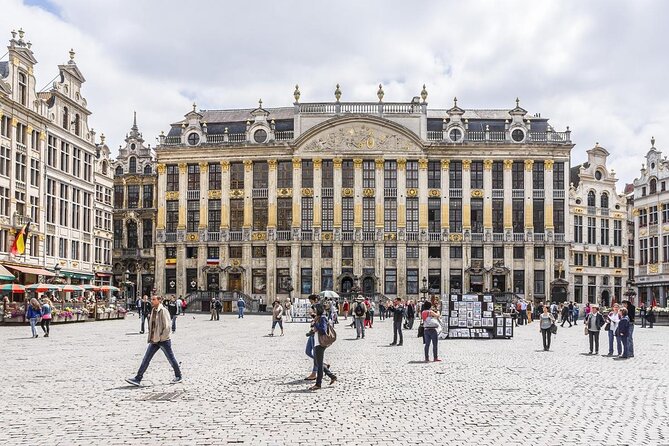
At Grote Markt, your guide connects Antwerp’s diamond story with the city’s annual fairs. Foreign merchants came to trade and buy precious stones and jewellery, helping Antwerp grow into a major commercial center.
The square itself is an essential first stop because it shows how trade, civic power, and public life met in one place. You are not just looking at grand facades. You are learning why merchants came here and how luxury goods helped shape the city.
The walk then turns toward Wisselstraat. The name refers to exchange, and this was where foreign buyers changed money. Your guide also explains the darker side of early finance, including the origin of the word bankrupt.
That detail gives the tour a useful edge. Precious stones may suggest glamour, but the business behind them depended on credit, risk, currency exchange, and trust. In two short stops, you get a clear picture of how jewellery belonged to the wider machinery of trade.
Saint Paul’s Church and its remarkable treasury
Saint Paul’s Church adds a change of mood. Its connection with silversmithing and jewellery continues inside, where the treasury contains more than 3,000 diamonds.
The church stop lasts about 15 minutes and admission is listed as free. The exact experience can depend on access and the day’s conditions, but your guide uses the church to explain how precious materials appeared in religious art and objects, not only in private jewellery.
I find this one of the more unusual parts of the route. A diamond tour could easily become a parade of shops. Here, the stones are placed in a religious and artistic setting, giving you another way to think about craftsmanship and value.
One useful tip: a guide has sometimes added an impromptu visit to Antwerp Cathedral. That is not presented as a guaranteed stop, so do not book this tour solely for the cathedral. Still, the possibility shows why the private format can be worthwhile. Your guide may respond to your interests and the time available.
Zwartzustersstraat and Zirkstraat reveal the working past
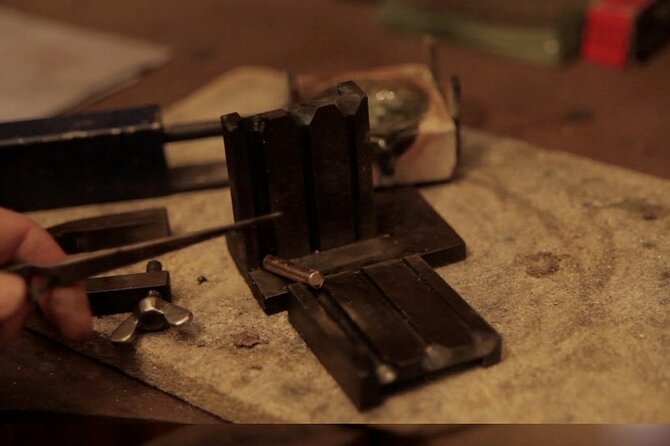
Zwartzustersstraat now looks like an ordinary old-center street, but it once had jewellery shops on the ground floor and diamond-cutting ateliers above. That arrangement tells you something about the trade: retail and production were close together, and the craft was part of everyday city life.
The stop is brief, about 10 minutes, but it gives the street a new meaning. You are looking upward as well as ahead, imagining workshops above the shops rather than passing through without a second thought.
At Zirkstraat, the guide points to the place where the first diamond cutter lived in the 15th century. This is where the tour turns more directly toward diamond cutting and its development.
Keep your expectations realistic. The tour explains the craft and its past, but it does not promise a working diamond-cutter demonstration. Much of Antwerp’s cutting now takes place elsewhere because other locations can do it more cheaply. The route gives you the city’s part in that story, rather than pretending the old trade remains unchanged.
Other ways into the past around Antwerp:
- Historical Walking Tour in Antwerp Old City
★ 5.0 · 277 reviews - Evening Walking Tour: The Dark Side of Antwerp
★ 5.0 · 193 reviews - Private Historical Tour: Legends of Antwerp
★ 5.0 · 125 reviews - Private Tour: The Dark Side of Antwerp
★ 5.0 · 84 reviews
Pascale Masselis offers the clearest atelier visit
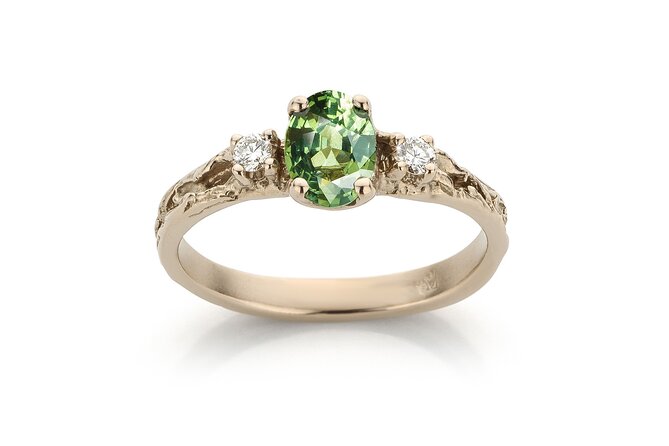
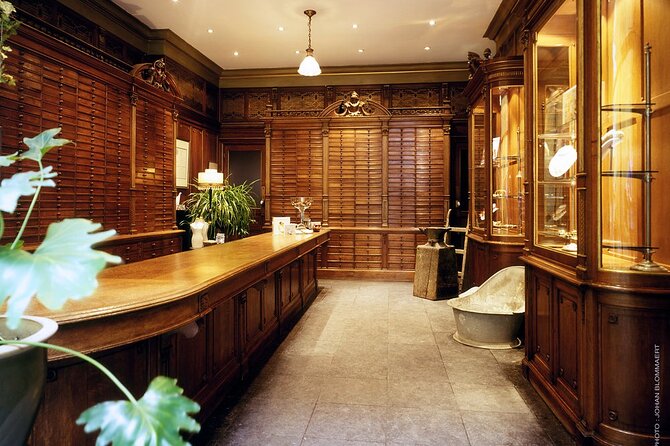
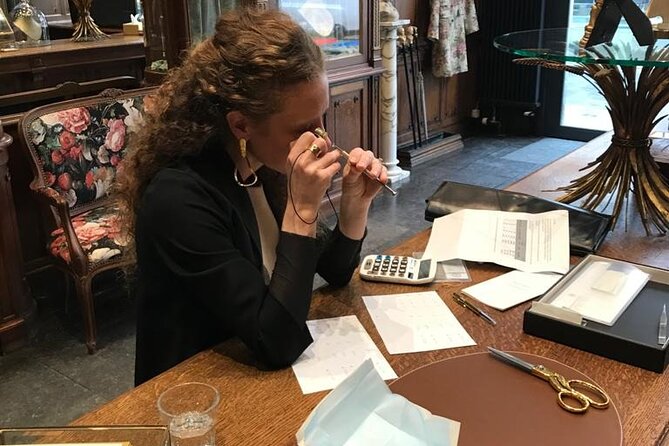
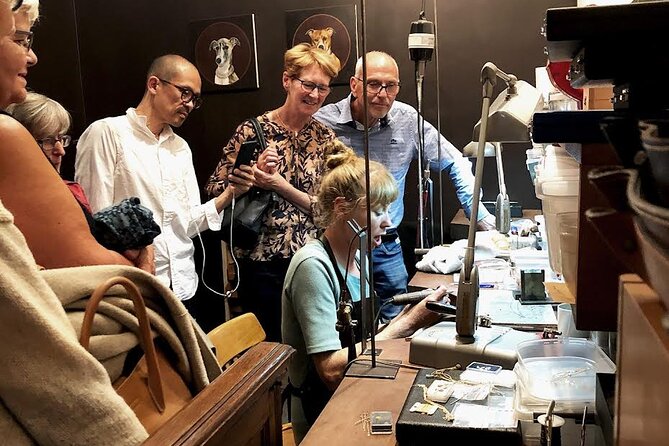
The visit to Pascale Masselis is likely to be the practical high point. Masselis graduated from Antwerp’s Royal Academy in 1983 and works with 18-carat gold. Each piece is handmade in her own atelier, and she can create special orders or remake old jewellery into something more current.
The visit lasts about 15 minutes, so do not expect a full jewellery-making class. Instead, you get a short look behind the finished product. You may hear about the process, see the working environment, and speak with the people connected to the atelier.
This is especially useful if you are interested in design, commissions, or the difference between handmade work and mass-produced jewellery. It also gives the historical material a modern outcome. The old streets explain where the trade came from, while Pascale’s studio shows how Antwerp’s craft tradition can continue through individual makers.
The warmest descriptions of this part mention Lauren and Marta of the atelier, though the people present can vary. If this stop matters most to you, it is sensible to confirm the current visit arrangements when booking.
Lange Koepoortstraat explains the goldsmith guilds

At Lange Koepoortstraat, your guide discusses the former nation house of the goldsmiths and silversmiths. The name refers to a professional association, not a government building in the modern sense.
The point of this stop is organization. Gold and silver workers needed rules, standards, and a way to protect their trade. Your guide explains why such a house was needed and how the craft was controlled.
This section will appeal to you if you enjoy the working details behind old cities. It is less visual than an atelier visit, but it gives structure to the route. Jewellery was not made and sold casually. Skilled workers operated within a system that shaped who could practice, how work was judged, and how the trade defended its interests.
Wijngaardstraat brings several design voices together
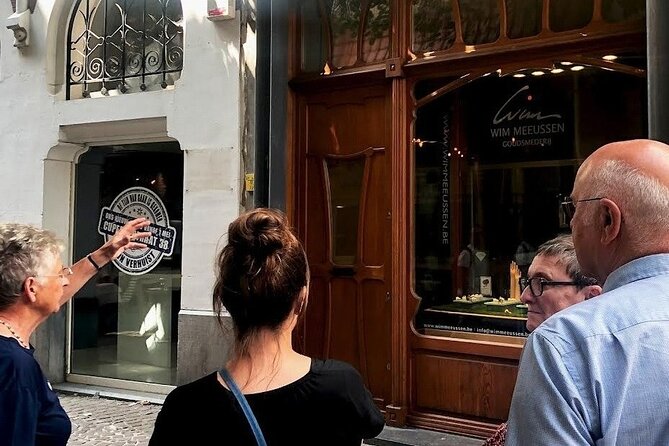
Wijngaardstraat is one of the most useful parts of the walk for anyone curious about contemporary jewellery. The small street has five jewellers, each with a different approach and set of techniques.
Gerda De Vrij studied in Pforzheim under Klaus Ullrich, an important figure in modern jewellery. She later settled in Antwerp and started an atelier with Emile Henry. Their two daughters have since joined the business, giving the company a family continuation.
Wim Meeussen is known for jewellery and wedding rings. His nearby second location focuses on silver jewellery, which makes his style available at a lower price point than gold pieces. That is a helpful detail if you want to browse without assuming every item is aimed at a luxury budget.
Hanne Schoofs regularly searches for new techniques, so her work reflects an experimental approach. Eva Crauwels has worked as an independent goldsmith for more than 15 years, with a collection described as retro-romantic and distinctly feminine.
You may not spend equal time in every shop. The stop is designed to show a range of creative directions rather than provide a formal appointment with every designer. Still, this section makes clear that Antwerp’s jewellery identity is not one fixed style. It includes family businesses, wedding specialists, modern experimentation, and small-scale goldsmithing.
Rembrandt Jodan gives the walk a creative finish
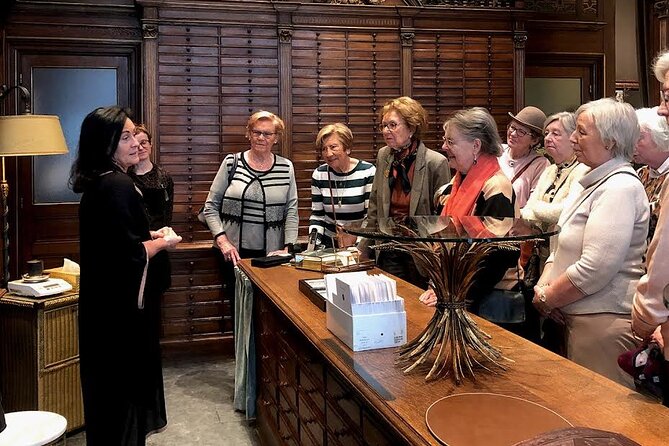
The tour ends at Wijngaardstraat 18, in the space of artist and goldsmith Rembrandt Jodan. His venue combines an art gallery, atelier, and jewellery shop.
That combination gives the final stop a broader feel than a standard retail visit. You can consider jewellery as wearable art, while also seeing how an artist’s workspace and sales space can exist together.
Because the tour ends here, plan your route afterward. You do not return to DIVA. The finish is central, so you can continue exploring Antwerp’s old town, visit the cathedral area, or return to the museum if you did not have time before the walk.
What the $234.93 group price really means
The listed price is $234.93 for a private group of up to 15 people. For one person or a couple, that is a serious cost for two hours. For a family or group of friends, the per-person price becomes much more reasonable, especially because you are not sharing the guide with strangers.
The value comes from access and attention rather than from included admissions. Most stops are free, and DIVA admission is not included. You are paying for a private guide, a focused route, historical explanation, and the chance to enter selected ateliers.
I would compare this with the cost of a general walking tour plus a separate museum visit. If you want a broad introduction to Antwerp’s major sights, a regular city tour may cover more ground. If you want a focused story about jewellery and design, this private experience offers more personal contact.
The tour is about two hours, with several 10-minute stops and longer visits at Saint Paul’s Church, Pascale Masselis, and the Wijngaardstraat designers. Wear comfortable shoes. The route is a walk through the old center, and the schedule works best when you are ready to keep moving between short explanations.
Who should book this private walk
I would choose this tour if you have a genuine interest in jewellery, design, historic trades, or the way cities change around commerce. It also works well for families because the private guide can adjust explanations and keep younger people involved.
It suits repeat visitors particularly well. One Dutch-speaking review described seeing parts of Antwerp that had been missed on many earlier visits. That is the appeal here: the route sends you into streets you could easily walk past without knowing what happened there.
You may also like it if you prefer conversation to a fixed script. The private setting allows you to ask about wedding rings, custom work, old jewellery, diamond economics, or the city’s trade connections.
I would skip it if your main goal is to see large-scale diamond cutting, visit the modern diamond district, or shop for a certified stone. You should also know that not every listed atelier interaction can be guaranteed in exactly the same form on every departure. The appeal is the old center and its makers, not a sales presentation.
Booking 42 days ahead is the average pattern, so plan early if your dates are fixed. Confirmation is sent within 48 hours, subject to availability. Free cancellation is available up to 24 hours before the start time, while poor weather can lead to another date or a full refund.
My verdict on Antwerp’s diamonds and jewellery walk
Book this tour if you want Antwerp’s jewellery story told through streets, guilds, churches, independent designers, and real ateliers. The strongest features are the private guide, the Pascale Masselis visit, the cluster of designers on Wijngaardstraat, and the way the route explains that Antwerp’s diamond trade has moved and changed.
Go in with the right expectations. This is not a diamond-shopping excursion and not a factory tour. It is a compact, personal walk through the old center, best for a small group that values craft and local detail over a checklist of famous sights.
FAQ
Where does the tour begin?
The tour begins in front of DIVA, the museum of diamonds, jewellery, and silverwork, at Suikerrui 17/19 in Antwerp.
Where does the tour end?
The tour ends at Rembrandt Jodan, Wijngaardstraat 18, Antwerp.
How long does the tour last?
The tour lasts approximately two hours.
Is DIVA admission included?
No. The walking tour starts at DIVA, but admission to the museum is not included.
Is the tour private?
Yes. Only your group participates, with a maximum group size of 15 people.
What language is offered?
The tour is offered in English.
Will I visit diamond cutters?
The tour explains Antwerp’s diamond-cutting past, including the first diamond cutter associated with Zirkstraat. It does not promise a visit to working diamond cutters, and much cutting now takes place outside Antwerp.
Can I cancel for a full refund?
Yes. You can cancel at least 24 hours before the start time for a full refund. Changes or cancellations made less than 24 hours before the start time are not accepted, and poor weather may result in a new date or a full refund.
Just added in Antwerp
- Discover Antwerp while playing! Escape game – The alchemist★ 4.5 · 4 reviews
- Antwerp: City Walk with Audio Guide in 7 Languages on your Phone★ 3.0 · 15 reviews
- Landed On Time 60 min. Max 1 Person★ 4.0 · 5 reviews
- Antwerp Private Custom Walking Tour With A Guide (Private Tour)★ 4.5 · 12 reviews
- Discover Antwerp with this Outside Escape city game tour!★ 5.0 · 4 reviews
- Antwerp: Help the Lost Boy – Self-Guided Mystery Walk★ 4.5 · 3 reviews
- Guided E-kickscooter tour: The big five of Antwerp★ 5.0 · 3 reviews
- Private Tour in Antwerp, Belgium with a Local Guide★ 5.0 · 11 reviews
Historical Tours, compared.

Historical Walking Tour with Chocolate & Waffle Tasting
Read our review →
THE Storytelling Tour of Bruges | First Day Must | History & Tips
Read our review →
Browse the lists this tour appears in