
Reviewed · MUSEUMS
Bruges: Ticket Museum Sint-Janshospitaal
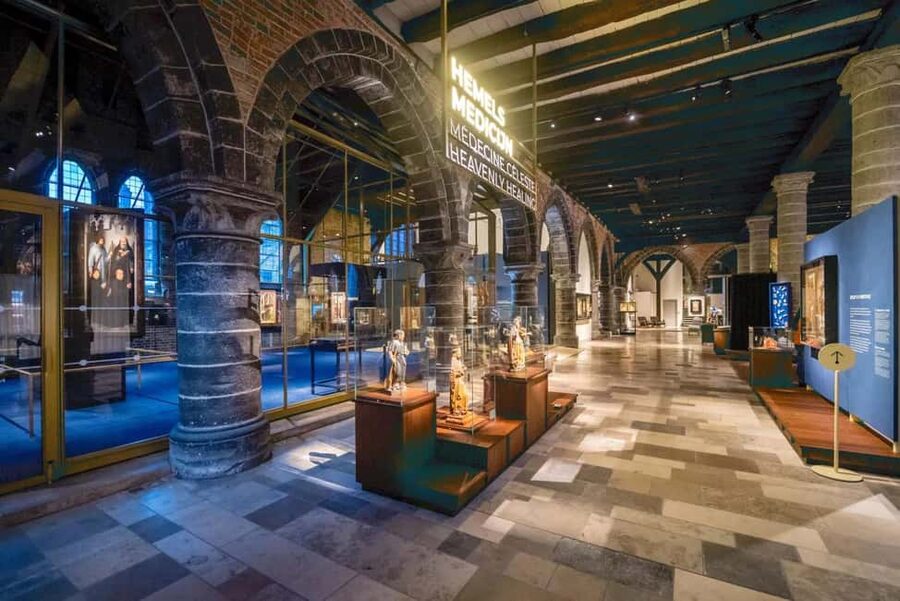
The most striking part of St John’s Hospital is the building itself. You enter a 12th-century place that once offered care and shelter, then move from medieval rooms to Hans Memling’s carefully preserved masterpieces and bold modern art. I like the strong link between the hospital’s past and its message of empathy today, and I like that the visit ends with a real old pharmacy rather than a display of empty labels.
The Memling collection is the main reason I would put this museum on a Bruges list, especially if you want art in the setting it was made for. I also appreciate the mix of old and new, though one contemporary human-animal work may feel unpleasant or upsetting to some people. Give yourself time to look, but do not assume every artwork will suit your taste.
Key points to know before you go
- A 12th-century hospital becomes the museum: You walk through an authentic medieval care setting, not a modern gallery with a historical theme.
- Hans Memling is the star artist: Several major works were made for St John’s Hospital and have remained connected to the building since the 15th century.
- Contemporary art adds a sharp contrast: Works by Berlinde De Bruyckere and Patricia Piccinini bring modern ideas about care, bodies, and empathy into the old rooms.
- The pharmacy is a proper final stop: The authentic 17th-century interior and herb garden offer a look at earlier medicinal practice.
- The $17 ticket is good for one day: Admission includes skip-the-ticket-line entry, with free cancellation up to 24 hours before the visit.
- Families should note the age rule: Children under 13 can get a free ticket at the box office, and children need a passport or ID card.
Entering a hospital from the 12th century
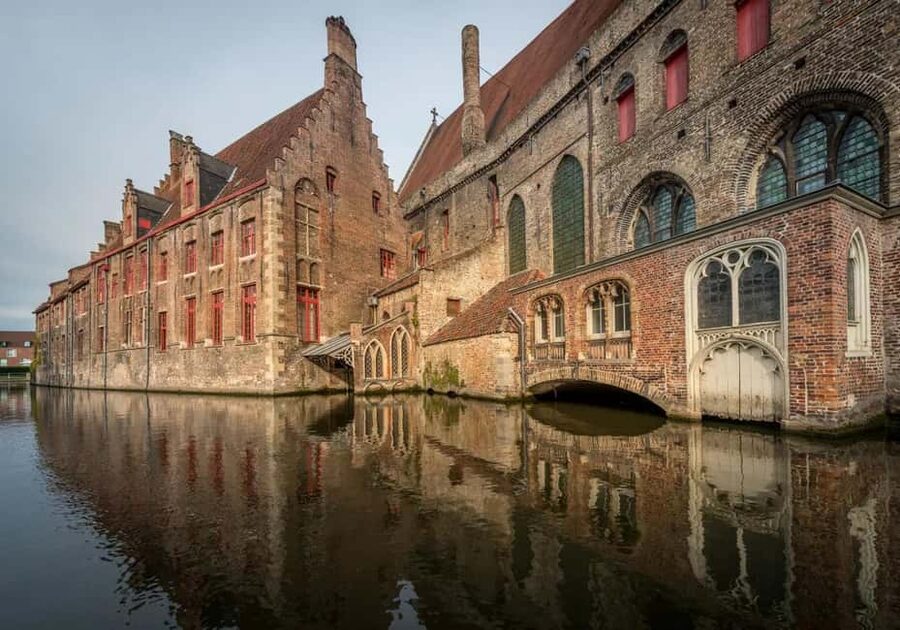
St John’s Hospital gives you something many museums cannot: a clear sense of place before you even reach the art. The building was a refuge for people who needed medical care or somewhere to sleep, and its purpose shaped the rooms, objects, and stories you see.
That matters because the museum does not treat the hospital as a decorative shell. Care and hospitality are part of the museum’s central idea. As you move through the building, you are asked to think about how people looked after one another in the past and what empathy means now.
I find this setting more affecting than a standard art gallery because the works do not float free from daily life. Medieval patients, caretakers, religious communities, and people seeking shelter all belonged to the story of this place. The museum uses that background to make the building feel human rather than simply old.
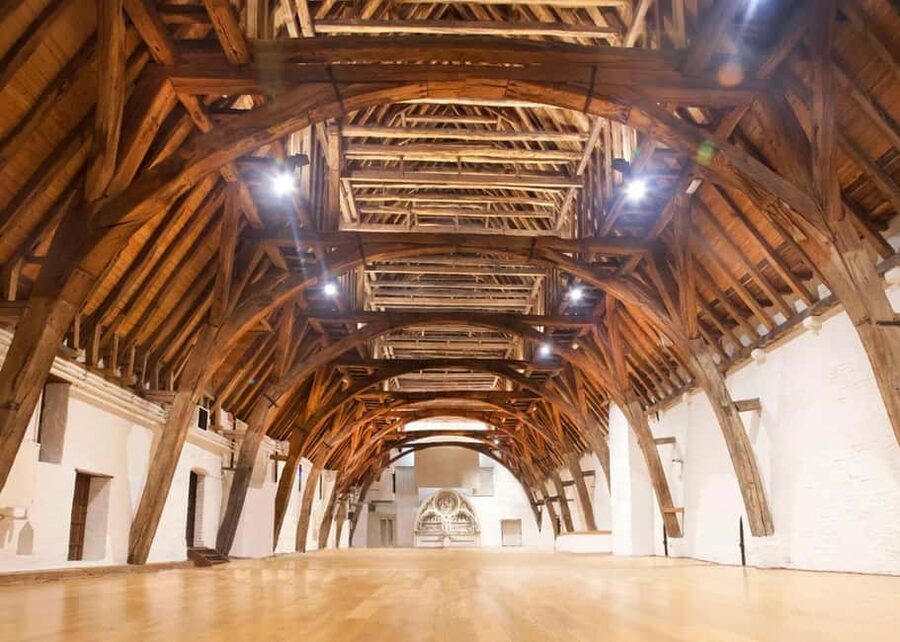
The architecture is also a major part of the experience. The medieval structure is well preserved, so you can pay attention to the shape and age of the rooms as well as the displays inside them. If you care more about historic buildings than modern exhibitions, the hospital alone gives you a good reason to enter.
Other collections worth an hour in Bruges:
- Bruges: Choco-Story Chocolate Museum Guided Tour w/Tastings
★ 4.2 · 1,379 reviews - Choco-Story: The Chocolate Museum in Bruges
★ 4.0 · 544 reviews - Bruges: Chocolate Making Workshop and Chocolate Museum Entry
★ 4.6 · 395 reviews
Hans Memling’s masterpieces in their original home
Hans Memling is the museum’s biggest artistic draw. He was one of the best-known Flemish Primitives, and he created several major works specifically for St John’s Hospital. Those paintings have remained associated with the hospital since the 15th century, giving them a stronger sense of place than artworks that arrived long after a building was completed.
I like seeing art in a setting tied to its original purpose. Here, Memling’s work was not simply selected for a later museum collection. It was made for this hospital, where religious belief, illness, charity, and mortality shaped everyday life.
The museum is a good choice if you want to see Flemish art without treating the paintings as isolated names on a checklist. You can look at Memling’s technique and subject matter, then remember that these works belonged to a working institution devoted to care.
Take your time with the Memling rooms. The ticket is valid for one day, so you do not need to rush through the collection to make a later timed stop. You can give the older works your full attention, then move on when you are ready.
One practical point: the ticket provides entry but does not describe a guided tour or named guide. You should plan on exploring at your own pace rather than expecting a guide to explain each room. That suits independent museumgoers, but anyone wanting a formal lecture should check separately before booking.
Contemporary art among medieval walls
The museum does not stop with old art. Contemporary works by Berlinde De Bruyckere and Patricia Piccinini sit alongside the hospital collection, creating a deliberate contrast between medieval surroundings and modern ideas.
This can be one of the most interesting parts of the visit. The old hospital gives the modern works a serious setting, while the contemporary pieces make you look again at the hospital’s themes of bodies, suffering, care, and compassion. Instead of separating old art from new art, the museum places both in the same conversation.
I would not promise that every modern work will be comfortable viewing. One piece that presents a human-animal figure has been found disturbing, even repulsive, by at least one recent visitor. That reaction is worth taking seriously. If you are sensitive to unsettling images, ask at the entrance about the current displays or move through that section at your own pace.
At the same time, the contemporary program gives the museum more purpose than a simple collection of old paintings. It encourages you to consider how ideas about hospitality change across time. A medieval hospital and a present-day art installation may seem far apart, yet both can ask what it means to care for a vulnerable body.
A recent museum experience also included the chance to create personal artworks. Since programming can change, treat that as a possible extra rather than a guaranteed part of the admission. It could make the visit more engaging for children and adults who like hands-on activities.
Stories of care and empathy
The museum presents more than objects. It also includes stories and testimonies connected with hospitality and empathy. These help explain why St John’s Hospital still matters beyond its architecture and art.
I value this approach because a hospital can otherwise become just another picturesque medieval building. The stories bring attention back to the people who needed help and the people who provided it. They also connect the hospital’s original role with modern questions about welcome, kindness, and responsibility.
You should expect a visit that moves between several kinds of material: historical rooms, old art, hospital objects, contemporary installations, and accounts of care. This variety keeps the museum from feeling like a single-subject display, though it may feel less focused if you want only Memling paintings.
The best way to approach the museum is to allow those parts to support one another. Look at the building, then the paintings. Notice how a modern work changes your view of the old hospital. Finish with the pharmacy, where the practical side of medical care comes back into view.
Other tickets worth pre-booking in Bruges:
- Bruges: Frietmuseum Entry Ticket
★ 4.2 · 652 reviews - Bruges: Historium Bruges Story and VR Ticket
★ 4.5 · 595 reviews - Historium Story + VR Ticket
★ 4.5 · 369 reviews - Bruges: Historium Bruges Medieval Experience Ticket
★ 4.3 · 220 reviews
The 17th-century pharmacy and herb garden
The old hospital pharmacy is a particularly good final stop. It has an authentic 17th-century interior, so you see medicinal practice in a real historic setting rather than in a newly built reconstruction.
The pharmacy gives the visit a practical ending. Memling shows the spiritual and artistic side of the hospital, while the pharmacy points to the daily work of treating illness. The herb garden adds another useful detail, showing the connection between medicine and plants.
You should not expect a modern explanation of healthcare or a full medical museum. The value here is more specific: you get a glimpse of how an earlier pharmacy looked and how medicinal substances were linked to an herb garden.
I would save enough attention for this section instead of treating it as a quick exit route. Historic pharmacies can be compact, and the 17th-century interior is one of the details that makes this experience different from a general Bruges art museum.
What the $17 ticket gives you
At $17 per person, this is a fair-priced museum visit if you plan to spend time with both the art and the building. You are paying for access to a 12th-century hospital, the Memling collection, the hospital collection, contemporary works, the pharmacy, and the herb garden.
The value is strongest for three kinds of visitors:
- Art lovers who want Memling’s work in a setting linked to its original commission.
- History-minded visitors who care about medieval architecture and the story of care.
- Families and mixed-interest groups who need more than a single room of paintings, especially if a current creative activity is available.
The value is less clear if you want a guided experience, a large interactive museum, or only a quick look at one famous painting. The admission includes an entrance ticket, not a stated guided tour, and the mix of contemporary art may not appeal to everyone.
The one-day validity gives you flexibility. You can visit during your time in Bruges without treating the museum as a tightly timed attraction. The skip-the-ticket-line feature can also save a little standing around, especially when you prefer to spend your limited city time inside the hospital rather than at the entrance.
Free cancellation up to 24 hours before the visit and the reserve-now, pay-later option make the $17 commitment easier to manage. Those terms are useful if your Bruges plans are still shifting.
Practical details for families and accessibility
The museum is wheelchair accessible, which makes the historic setting easier to consider as part of a practical Bruges plan. Older buildings can sometimes present access concerns, so this detail matters if you use a wheelchair or are arranging a visit for someone with limited mobility.
Children under 13 can obtain a free ticket at the box office. Children need a passport or ID card, so bring the required identification rather than assuming age can be confirmed without it.
Large bags and luggage are not allowed. If you are arriving in Bruges with cases, plan to leave them elsewhere before visiting. Pets are also not allowed, although assistance dogs are permitted.
Flash photography is forbidden. You can enjoy the interiors and artworks, but you need to follow the museum’s photography rule and leave the flash switched off.
The ticket is valid for one day, and the available starting times should be checked when you select your date. No transport is included, so you arrange your own way to the museum in Bruges.
Who should book St John’s Hospital Museum?
I would recommend this museum to anyone who wants Bruges beyond canals, squares, and postcard views. Its best quality is the connection between the place and the collection. You are not simply entering an old hospital or a gallery. You are seeing how the building’s purpose shaped its art and still shapes the museum’s message.
It is especially good for visitors who enjoy Flemish painting, medieval buildings, and thoughtful contemporary art. Families may also like the range of subjects, though the human-animal artwork could be uncomfortable for some children. Ask about current displays if that is a concern.
I would be more cautious if you dislike modern installations or want every room to explain itself through a guide. The museum asks you to make connections between the works and the hospital’s ideas about empathy. That is rewarding for some people and less satisfying for others.
Should you book this Bruges museum ticket?
Book it if Memling, medieval architecture, and the history of medical care all sound worthwhile to you. At $17, you get a full day of admission to a distinctive historic site, not just a short look at one collection.
Skip it if your Bruges schedule is packed and you would only have time for a rushed visit, or if contemporary art that can be unsettling is a firm no. For most independent museumgoers, though, St John’s Hospital offers a useful mix of art, place, and human stories, with the 17th-century pharmacy providing a memorable finish.
FAQ
How much does the St John’s Hospital Museum ticket cost?
The ticket costs $17 per person.
How long is the ticket valid?
The ticket is valid for one day. Check availability for the starting times offered on your chosen date.
What does the ticket include?
It includes the entrance ticket to St John’s Hospital Museum. The visit includes the Memling collection, the hospital collection, contemporary artworks, the old pharmacy, and the herb garden.
Can I skip the ticket line?
Yes. The ticket includes skip-the-ticket-line entry.
Can I cancel the booking?
Yes. You can cancel up to 24 hours in advance for a full refund.
Can I reserve now and pay later?
Yes. You can reserve your place and pay nothing at the time of booking.
Do children under 13 need a paid ticket?
Children under 13 can obtain a free ticket at the box office.
What identification do children need?
Children should bring a passport or ID card.
Are large bags, pets, and flash photography allowed?
Luggage and large bags are not allowed. Pets are not allowed, but assistance dogs are permitted. Flash photography is also prohibited.
Just added in Bruges
- 2-Hour Private Walking Tour of Bruges★ 5.0 · 13 reviews
- Ticket Expo Body Worlds in Bruges, Belgium★ 4.5 · 11 reviews
- 6 Hour Bruges Shore Excursion from Zeebrugge Cruise Port★ 4.5 · 23 reviews
- Explore the Instaworthy Spots of Bruges with a Local★ 5.0 · 3 reviews
- The Waffles ‘n Coffee Breakfast in Bruges Centre★ 4.5 · 9 reviews
- Australian Battlefields Private Tour in Flanders from Bruges★ 5.0 · 15 reviews
- Discover the secrets of Bruges by playing!★ 4.5 · 7 reviews
- Bruges Walking Tour with Audioguide on Your Smartphone★ 4.5 · 14 reviews
Museums, compared.

Atomium Entry Ticket with Design Museum Ticket
Read our review →
Choco-Story Brussels: Chocolate Museum Entrance with Tasting
Read our review →
Choco-Story Chocolate Museum Guided Tour w/Tastings
Read our review →
2.5-Hour Chocolate Museum Visit with Workshop
Read our review →
The World of Banksy Museum Permanent Exhibition
Read our review →

Chocolate Making Workshop and Chocolate Museum Entry
Read our review →Browse the lists this tour appears in