
Reviewed · WWI BATTLEFIELD TOURS
Flanders Fields Remembrance Tour from Bruges
The most moving part of this day comes at the end, when you attend the Last Post Ceremony at Menin Gate in Ypres. After seeing trenches, bunkers, cemeteries, and battlefields, the simple daily tribute gives the history a human face. This is not a quick photo stop. It is a full day of remembrance, with long stretches on the road and plenty of serious commentary.
I like the way the tour links major sites rather than leaving you to piece them together alone. The Grieving Parents sculpture at Vladslo and John McCrae’s dressing station at Essex Farm give the war a personal scale, while Tyne Cot and the German cemetery show its terrible reach. Guides such as Diederiek Naeyaert and Stefan have earned especially strong praise for their command of the subject.
The drawback is the pace. Ten and a half hours is a lot, and the day includes several cemeteries, museum time, walking, and a late ceremony. The group may also be larger than you expect, and transport has been described both as a minivan and as a full-size coach, so ask for the current vehicle details if motion sickness or group size matters to you.
Key points before you book
- The Last Post Ceremony closes the day: You finish beneath Ypres’ Menin Gate at a daily tribute to Commonwealth soldiers missing after battle.
- Vladslo brings a German perspective: Käthe Kollwitz’s Grieving Parents is one of the day’s most affecting sights.
- You see real battlefield remains: The Trench of Death, Hill 60, bunkers, and preserved trench areas help explain how close and confined the fighting was.
- Tyne Cot is on a vast scale: The world’s largest Commonwealth cemetery contains about 35,000 headstones and needs quiet time to take in.
- Expert guiding is central: Diederiek, Stefan, and other guides are praised for clear explanations, personal stories, and strong command of the battles.
- Plan for a long, full schedule: The tour leaves Bruges at 11:00 a.m., lasts about 10 hours and 30 minutes, and returns to the starting point.
Why this Flanders Fields day is worth your time
Flanders Fields is not one battlefield with a single viewpoint. It is a wide area of villages, cemeteries, memorials, reconstructed towns, and scattered remains. That makes visiting on your own possible, but not always easy. You need a car, a map, background reading, and a firm plan for fitting the sites together.
This tour solves much of that problem in one day. You leave central Bruges in an air-conditioned vehicle and move through the northern and southern parts of the former Western Front. The guide supplies the links between places, explaining why a cemetery is in one village, why a bunker sits beside a modern road, and how a quiet field became the setting for one of the First World War’s worst battles.
At $95.34 per person, the value rests mainly in the transport and guiding. You are not simply paying for entry to a single attraction. You are covering a long route with multiple stops, a professional multilingual guide, and the convenience of returning to Bruges without arranging a car.
The day is best for you if you want a broad introduction to the First World War in Belgium. It is less suitable if you prefer slow museum visits, long meals, or a small private group.
Other Western Front sites within reach of Bruges:
- From Bruges: Great War Flanders Fields Minibus Tour w/ Lunch
★ 4.9 · 1,257 reviews - From Bruges: Flanders Fields Remembrance Full-Day Trip
★ 4.8 · 65 reviews - Australian Battlefields Private Tour in Flanders from Bruges
★ 5.0 · 15 reviews
Vladslo and the Grieving Parents sculpture
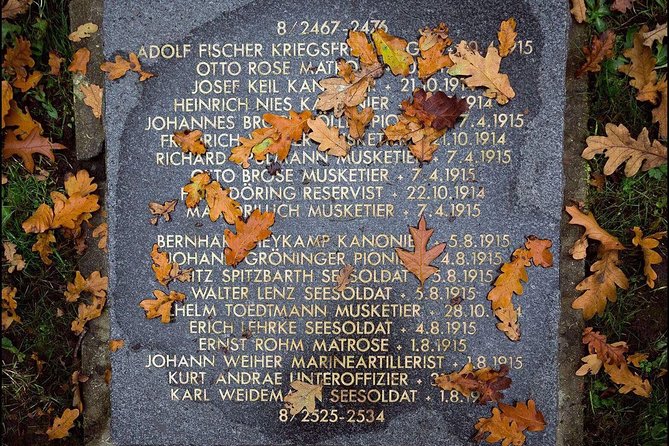
The first major stop is the German Military Cemetery at Vladslo. Thousands of German soldiers are buried here, giving you an immediate reminder that the war’s dead were not limited to one nation or one side.
The emotional focus is Käthe Kollwitz’s Grieving Parents. Kollwitz created the work after her son Peter was killed in the war. The two stone figures face the graves, their sorrow expressed through posture rather than grand gestures. Your guide can add the personal and military context that makes the sculpture more than a passing photo stop.
This cemetery also broadens the usual story told at Allied memorials. You are asked to consider the loss on all sides, not just the national story of Britain, Canada, Australia, or New Zealand. That balance is one of the tour’s strengths.
Expect a quiet visit and a short walk. You should wear practical shoes, since the day involves cemetery paths, uneven ground, and outdoor sites. The tour requires a moderate level of fitness, though no strenuous hike is described.
Diksmuide and the Trench of Death
Near Diksmuide, you visit the Trench of Death, one of the remaining sections of the Western Front. The name is stark because the conditions were stark. Soldiers lived and fought in narrow defensive lines only a short distance from enemy positions, with water, mud, disease, artillery, and constant fear shaping daily life.
The preserved trench does something a museum display cannot. It shows the tight space available for movement and shelter. You can look along the defensive line and begin to understand how difficult it was to advance, retreat, or even communicate under fire.
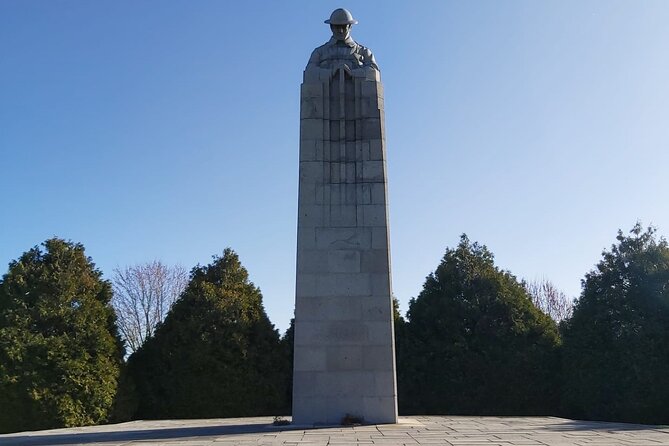
The nearby Brooding Soldier memorial honors about 2,000 Canadian soldiers killed during the first German gas attack. This is an important stop for understanding both the Canadian contribution and the introduction of chemical warfare on the Western Front.
The stop is not designed as a long independent exploration. Your guide’s explanation matters here, since the physical remains alone do not tell the whole story. Listen closely before walking off to take photographs.
Lunch and the rhythm of a long day
The middle of the tour includes a hearty plowman-style lunch at a local restaurant, although the booking information also lists lunch as not included. That conflict matters. Check the current arrangements before paying, and budget for food even if a meal is planned.
Several accounts describe lunch as simple, good quality, and useful for talking with the rest of the group. That fits the needs of this kind of day. You are moving from one serious site to another, so a relaxed meal gives you a chance to rest and reset before the afternoon stops.
Do not expect a leisurely food tour. The main purpose is to keep the schedule moving toward Ypres and the Last Post Ceremony. If you have dietary requirements, the supplied information does not specify what can be accommodated, so ask before departure.
Same city, a different sort of day:
- Bruges: Small Group Boat Cruise and Guided Walking Tour
★ 4.8 · 4,102 reviews - Bruges: Walking Tour, Canal Boat Trip w/Beer Tasting Option
★ 4.4 · 2,759 reviews - Historical Walking Tour: Legends of Bruges
★ 5.0 · 2,541 reviews - Bruges: Choco-Story Chocolate Museum Guided Tour w/Tastings
★ 4.2 · 1,379 reviews
Passchendaele and Tyne Cot
After lunch, the route turns toward Passchendaele, the scene of one of the war’s bloodiest battles. The modern town is quiet and traditional, a sharp contrast to the mud, shellfire, and destruction that once defined this ground.
That contrast is one of the most useful parts of the day. You do not visit a battlefield frozen in time. You see ordinary Belgian life continuing across ground where thousands of men fought and died. The calm setting can make the past feel more difficult to picture, not less.
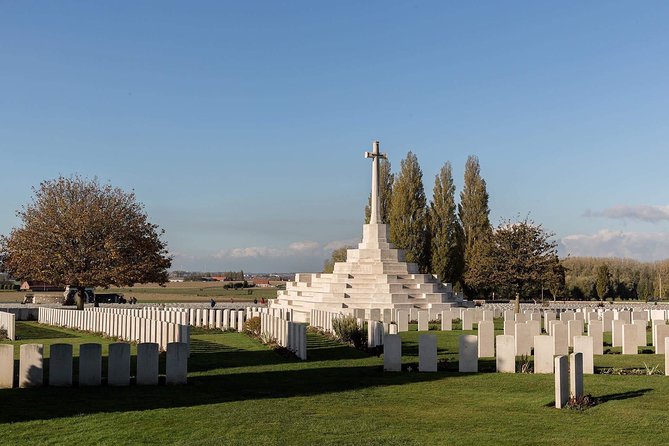
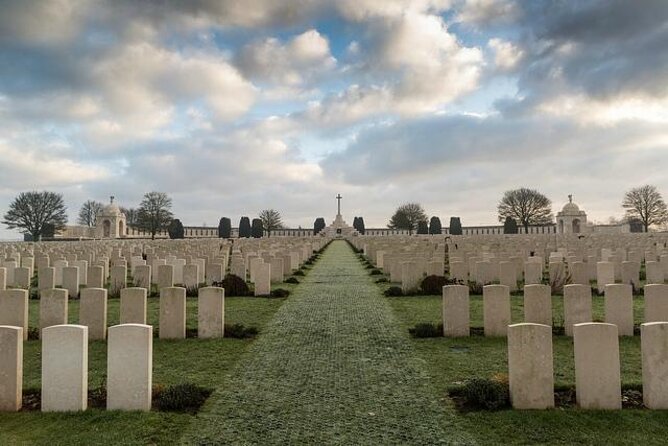
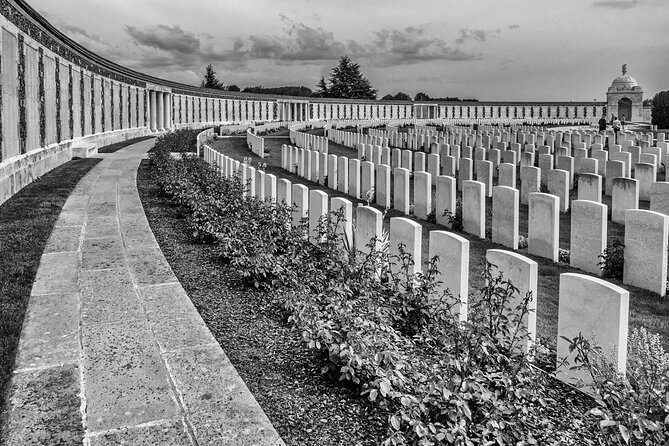
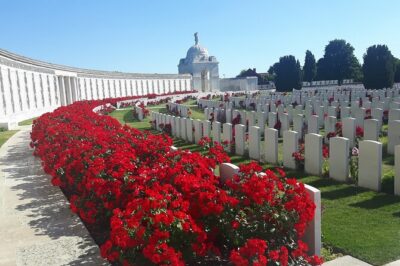
You also call at Passchendaele New British Cemetery and Tyne Cot. Tyne Cot is the largest Commonwealth cemetery in the world, with about 35,000 headstones. Its scale can overwhelm you. One grave is personal. Thousands of graves become a record of industrialized war.
Give yourself time to absorb the layout rather than treating the cemetery as another item to tick off. The schedule is packed, and one useful criticism of the tour is that some people want more time at Tyne Cot and at the Passchendaele museum. If those two sites are your main reason for coming, a private visit or a dedicated battlefield tour may suit you better.
Hill 60 and the physical remains of battle
The route passes Hill 60 near Zillebeke, a battlefield memorial site and park. The hill mattered because even a small rise offered a valuable view and position in a region where flat ground made observation difficult.
The site is linked with underground tunnels and fierce fighting. The tour’s description includes a visit to see tunnels that played an important role in the war, though the exact amount of time spent there can depend on the day’s schedule and site conditions.
Hill 60 works well alongside the trenches and cemeteries. At the Trench of Death, you see the cramped defensive line. At Hill 60, you consider the value of height and underground space. At the cemeteries, you face the human cost. Together, these sites create a clearer picture than any one stop could provide.
The outdoor sections are weather-dependent in feel, even if the tour runs as scheduled. Bring a rain layer and shoes suitable for grass, paths, and old military sites.
Essex Farm and the story behind In Flanders Fields
At Essex Farm Cemetery, you visit the dressing station where Canadian doctor John McCrae wrote In Flanders Fields. The stop is brief, about 15 minutes, but it carries unusual literary weight.
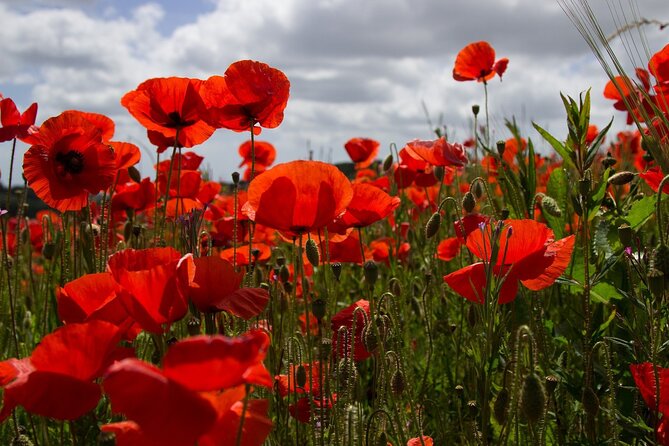
McCrae wrote the poem after the death of fellow Canadian officer Alexis Helmer. The poem became one of the best-known pieces connected with the First World War, especially through its images of poppies and remembrance.
The site also contains concrete bunkers associated with the field hospital. Seeing the physical setting helps you connect the poem to the medical work and suffering surrounding it. This is not a grand memorial. Its value comes from the combination of place, writing, and human loss.
Because the stop is short, listen to the guide’s explanation before taking photographs. You may not have enough time for a slow, independent visit.
Ypres, the museum, and time for context
The tour includes time in Ypres and a visit to the Flanders Fields Museum, where exhibits and battlefield objects explain the wider story. An audio-guided element is also described, giving you another way to follow the events and examine artifacts at your own pace.
Ypres itself is essential to the day. The city was heavily damaged during the war and rebuilt afterward, so its streets show both continuity and reconstruction. Several accounts describe the rebuilt buildings as looking old despite dating from after the war. That can be surprising when you first arrive.
Museum access and time can vary. One scheduled visit took place while the Flanders Fields Museum was closed, and the Menin Gate has also had periods of refurbishment. If a particular museum or the gate itself is your priority, check current opening and construction information before booking.
The schedule may also leave limited time for a full meal in Ypres. Some departures have included free time before the evening ceremony, while the main plan centers on the battlefield route. Think of Ypres as part of a tightly arranged history day, not as a relaxed city tour.
Menin Gate and the Last Post Ceremony
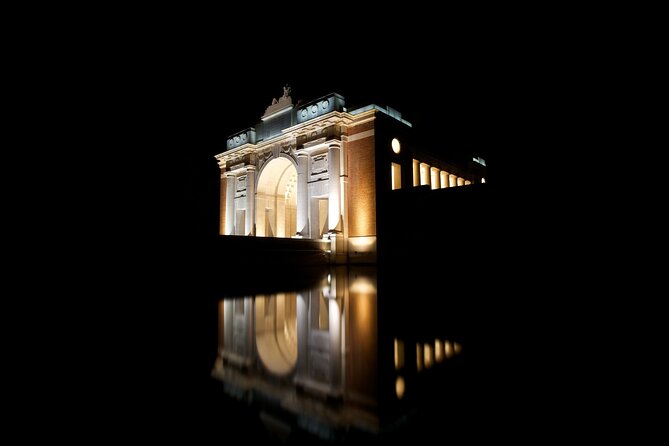
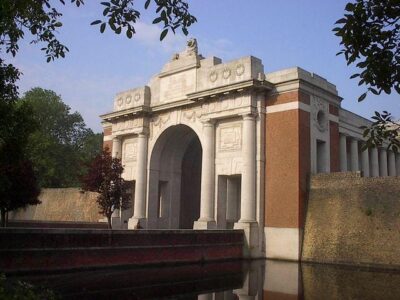
The final stop is the day’s emotional center: the Last Post Ceremony at Menin Gate. The tribute takes place daily and honors Commonwealth soldiers and officers who went missing after battle.
The ceremony’s power comes from its restraint. After hours of military facts, maps, cemetery rows, and battlefield explanations, the tribute is simple and focused. The bugles, the gate, and the gathered crowd create a quiet moment of respect rather than a theatrical finale.
Arrive prepared to stand or remain in place with a large crowd. The ceremony lasts about 30 minutes, and you should treat it with the same quiet respect as a cemetery visit. Construction work has sometimes affected the setting, so check the current condition of Menin Gate if the architecture is important to you.
The return to Bruges follows the ceremony. You will probably be tired, but the late timing gives the day a natural ending. The experience does not finish with a souvenir shop or a hurried attraction. It finishes with remembrance.
Guides, vehicles, and group size
The guide can make or break this tour. Strong guides such as Diederiek Naeyaert, Stefan, and Stephen are praised for explaining battles clearly, answering questions, and treating the subject with seriousness. Diederiek in particular is noted for recalling small details and stories that connect military events to individual lives.
The vehicle is advertised as an air-conditioned minivan, while some departures have used a large coach. Most accounts describe the transport as comfortable, but the difference matters if you get motion sickness or prefer a small group. The published maximum is 200 people, and one account describes a group of 27. That is not a private or intimate tour, and it can be hard to hear the guide when everyone is gathered outside.
The start point is Bargeplein on Bargeweg in Bruges at 11:00 a.m. Hotel pickup and drop-off are not included. The tour ends back at the meeting point, although one departure dropped people near Bruges station. Confirm the return arrangement if you need to make an evening train.
Free cancellation is available up to 24 hours before the start time. The tour also requires a minimum number of participants, so a cancellation for low enrollment can result in another date, another experience, or a full refund.
Who should book this tour?
Book it if you want to see several major Flanders Fields sites in one day without renting a car. It is especially useful for first-time visitors, people with family or national connections to the First World War, and anyone who wants a guide to explain how the places fit together.
You should also book it if the Last Post Ceremony is high on your list. Reaching Menin Gate after visiting the surrounding battlefields gives the ceremony more meaning than attending it alone.
Think twice if you dislike long coach days, large groups, repeated cemetery visits, or tightly timed stops. If you want to study Tyne Cot, Hill 60, or the Passchendaele museum in depth, you may prefer a private guide or several self-guided days.
For most people with a serious interest in the First World War, this is a strong-value day from Bruges. It covers a great deal of ground, uses an experienced guide, and ends with one of Belgium’s most affecting acts of remembrance. Just bring patience, practical shoes, and realistic expectations about the pace.
FAQ
Where does the tour start?
The tour starts at Bargeplein, Bargeweg, 8000 Brugge, Belgium, at 11:00 a.m.
How long does the Flanders Fields tour last?
The experience lasts approximately 10 hours and 30 minutes, including the return journey to Bruges.
Is hotel pickup included?
No. Hotel pickup and drop-off are not included. The activity ends back at the meeting point.
Is lunch included?
The supplied information is inconsistent. The tour description refers to a plowman-style lunch, while the inclusion details say lunch is not included. Confirm the current meal arrangement before booking.
What transportation is used?
The tour includes an air-conditioned vehicle. It has been described as both a minivan and a large coach on different departures, so confirm the current vehicle type if this is important to you.
Can I cancel for a full refund?
Yes. You can cancel at least 24 hours before the local start time for a full refund. Changes or cancellations made less than 24 hours before departure are not accepted for a refund.
Just added in Bruges
- 2-Hour Private Walking Tour of Bruges★ 5.0 · 13 reviews
- Ticket Expo Body Worlds in Bruges, Belgium★ 4.5 · 11 reviews
- The Waffles ‘n Coffee Breakfast in Bruges Centre★ 4.5 · 9 reviews
- 6 Hour Bruges Shore Excursion from Zeebrugge Cruise Port★ 4.5 · 23 reviews
- Explore the Instaworthy Spots of Bruges with a Local★ 5.0 · 3 reviews
- Australian Battlefields Private Tour in Flanders from Bruges★ 5.0 · 15 reviews
- Discover the secrets of Bruges by playing!★ 4.5 · 7 reviews
- Bruges Walking Tour with Audioguide on Your Smartphone★ 4.5 · 14 reviews
WWI Battlefield Tours, compared.
Great War Flanders Fields Minibus Tour w/ Lunch
Read our review →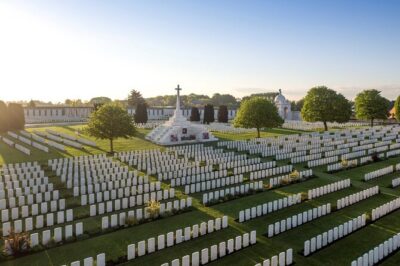
Flanders Fields Remembrance Tour from Brussels
Read our review →
In Flanders Fields and Passchendaele Half Day Morning Tour
Read our review →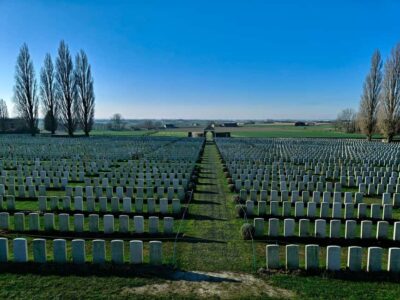
An exploration of the deadly salient battlefields
Read our review →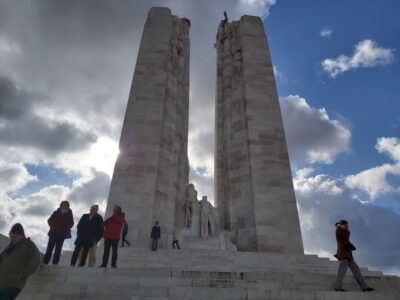
Remembrance Tour: The Battle of the Bulge in the Ardennes
Read our review →
Historic Battle of the Bulge Sites Tour from Brussels
Read our review →Browse the lists this tour appears in