
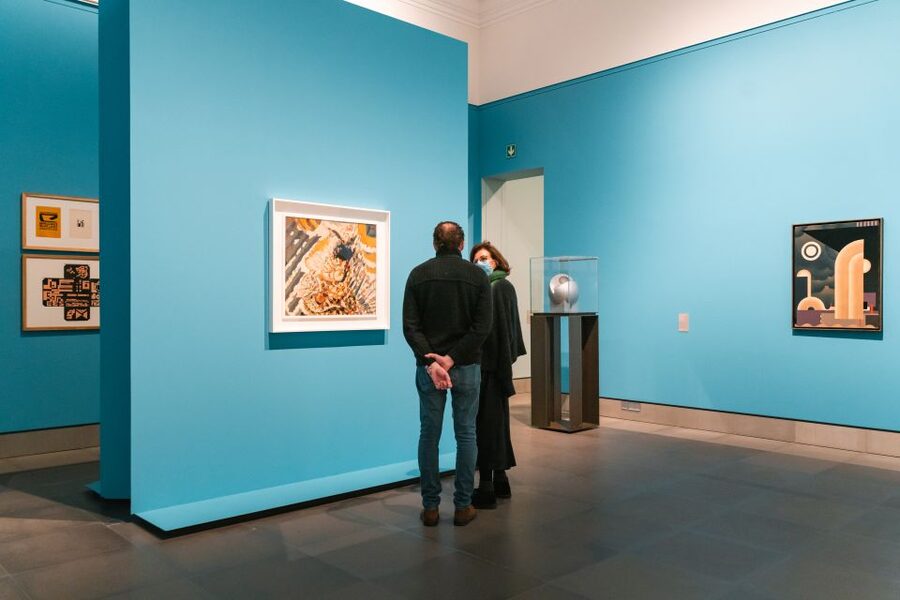
Reviewed · MUSEUMS
Ghent: Museum of Fine Arts Entry Ticket
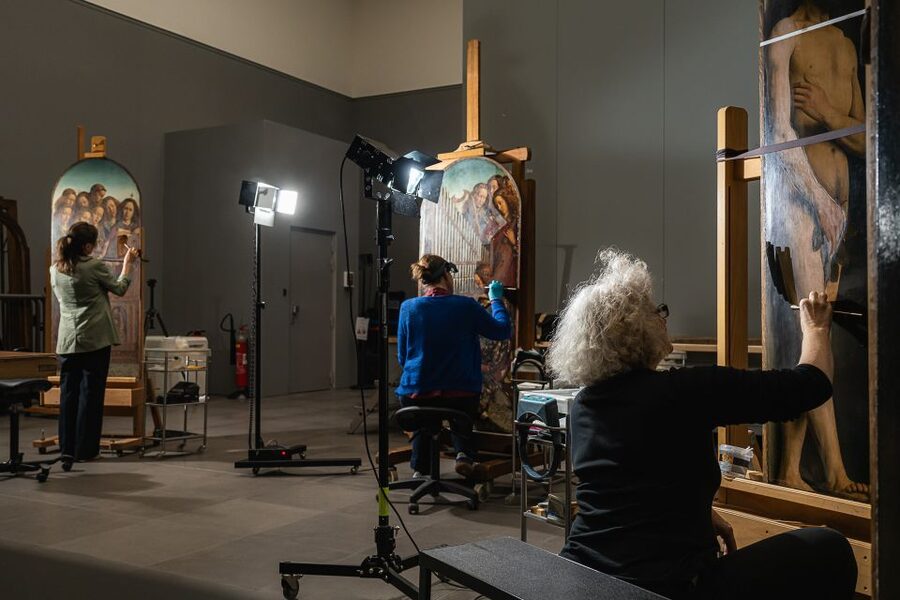
The most unusual sight here is not behind a velvet rope. It is a working restoration workshop, visible through glass, where specialists carry out the final phase of work on Jan van Eyck’s Ghent Altarpiece, painted in 1432. You can watch conservation happen in real time, then walk through galleries that trace Belgian and European art from the 14th century to today.
I like the museum’s 30-gallery chronological route, which gives your visit a clear shape without forcing you to follow a guide. I also like that temporary exhibitions, the adult and children’s audio guides, and family activities are included in the ticket. The main thing to consider is time: a quick visit can feel rushed, while art lovers could happily spend several hours here.
Key points to know
- Watch the Ghent Altarpiece restoration through glass: See conservators working on one of northern Europe’s great paintings.
- Move from Bosch to Magritte: The collection covers major names from the 14th through 20th centuries.
- Use the included audio guide: Dutch, English, and French options offer standard commentary, children’s material, and alternative viewpoints.
- Allow at least two hours: The 30 galleries reward a steady visit rather than a quick look around.
- Temporary exhibitions are included: Check what is showing during your visit, since it can add a strong second focus.
- Plan for practical museum rules: Large bags, coats, umbrellas, food, and drinks are not allowed in the galleries, but a free cloakroom is available.
Why the restoration workshop changes the visit
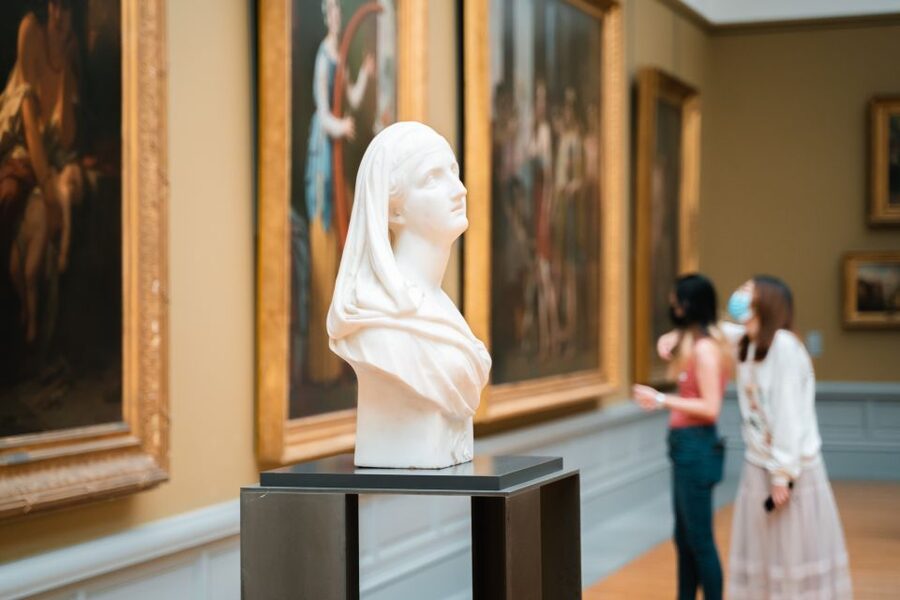
Many art museums show finished masterpieces. This one also lets you see the careful work needed to preserve them.
The Ghent Altarpiece, created by Jan van Eyck in 1432, is being restored in a workshop behind glass. The arrangement gives you a rare view of conservation as a slow, precise process rather than a hidden back-room task. You may see specialists examining the surface, working on details, or studying how later layers affect the original painting.
This is especially useful if you are visiting Ghent to see the altarpiece itself. The museum does not simply present a famous work as a distant object. It helps you understand that paintings change over time, and that bringing an old masterpiece closer to its original appearance requires patience and technical skill.
The workshop is also a good reason for non-specialists to visit. You do not need a background in art conservation to appreciate the sight of a major work being examined at close range. It gives the museum a living element that a standard display case cannot provide.
Other collections worth an hour in Ghent:
- Brussels: Atomium Entry Ticket with Design Museum Ticket
★ 4.4 · 9,254 reviews - Choco-Story Brussels: Chocolate Museum Entrance with Tasting
★ 4.3 · 4,883 reviews - Bruges: Choco-Story Chocolate Museum Guided Tour w/Tastings
★ 4.2 · 1,379 reviews
Following 30 galleries from the 14th century onward
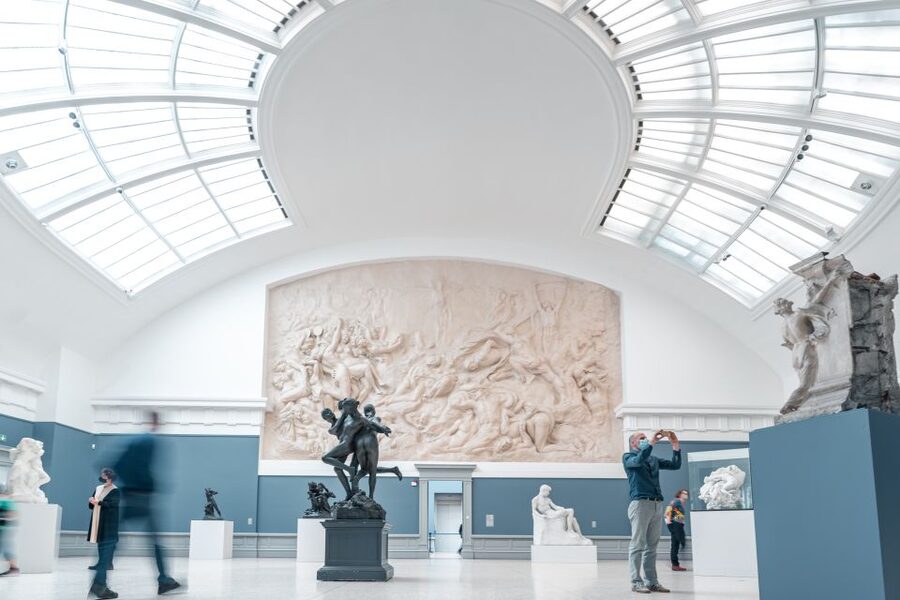
The collection is arranged along a chronological route, beginning with older works and moving toward the 19th and 20th centuries. I find this kind of layout helpful because you can watch artistic ideas change instead of seeing random paintings from unrelated periods.
About half of the galleries focus on art made before 1800. This section brings together the religious, courtly, and everyday subjects that shaped early European painting. You can look for works by Hieronymus Bosch, Pieter Paul Rubens, Brueghel II, and Anthony van Dyck.
Bosch brings strange, crowded scenes filled with moral warnings and odd creatures. Rubens gives you a grander Baroque style, with strong movement and dramatic bodies. Brueghel II connects to the busy village and social scenes associated with the Brueghel family, while Van Dyck shows the polished portrait tradition that made him a major figure in European art.
The point is not just to tick off famous names. Give yourself time to compare how each artist handles people, movement, color, and storytelling. If you move too quickly, the museum can become a parade of old paintings. If you pause for a few minutes in each room, the route helps you see how one period leads into the next.
The chronological structure also makes this a reasonable museum for people who are not already art experts. You can follow the broad changes in style without needing to know every date or school. The audio guide adds context when a work catches your eye.
Belgian art from Ensor to Van de Woestyne
The 19th and 20th-century rooms bring the collection closer to Belgium’s own artistic story. Here you will find work by James Ensor, Emile Claus, Georges Minne, Gustave Van de Woestyne, René Magritte, and Frits Van den Berghe.
James Ensor is an important name to seek out. His work can be sharp, theatrical, and unsettling, with a strong interest in masks and social behavior. Emile Claus represents another direction, with attention to light and outdoor scenes. Georges Minne brings a more sculptural, inward mood.
The modernist rooms broaden the visit again. Gustave Van de Woestyne and Frits Van den Berghe show how Belgian artists responded to changing ideas about form and reality. René Magritte brings the familiar jolt of surrealism, where ordinary objects become puzzling and visual logic slips sideways.
I like this part of the museum because it prevents the collection from becoming only a tour of older European masters. You get the large names, but you also get a sense of Belgian art as its own subject. That makes the visit more useful if you have already seen the major medieval and Baroque sights elsewhere in Belgium.
A recent temporary exhibition was described as captivating, with explanations in Flemish, French, and English. Since temporary displays change, check the current program before you go. The exhibition may be a small addition, or it may shape the whole visit.
Thematic rooms and unexpected pairings
The museum does not rely only on a strict march through time. Along the chronological route, you will also find thematic and monographic galleries. These rooms let the museum group works around an artist, a subject, or an idea.
That mix works well. The chronological route gives you orientation, while the thematic displays encourage you to make connections across periods. A contemporary installation may appear alongside older art, asking you to look at a familiar subject in a new way.
You may prefer the historical rooms if you want a traditional art museum visit. You may also find the contemporary installations a welcome change after several galleries of earlier painting. The balance means the museum can suit a couple with different tastes, though not every room will appeal equally to every person.
The museum also offers modern perspectives on art history through the audio guide. It includes queer perspectives, musical interpretations, descriptions for visitors with visual impairments, and a separate route for children. These options give you more control over the tone of the visit.
Other tickets worth pre-booking in Ghent:
- Brussels: Entry Ticket to Mini-Europe
★ 4.5 · 2,870 reviews - Bruges: Frietmuseum Entry Ticket
★ 4.2 · 652 reviews - Bruges: Historium Bruges Story and VR Ticket
★ 4.5 · 595 reviews - Brussels: Train World Museum Entrance Ticket
★ 4.7 · 524 reviews
Getting value from the included audio guides
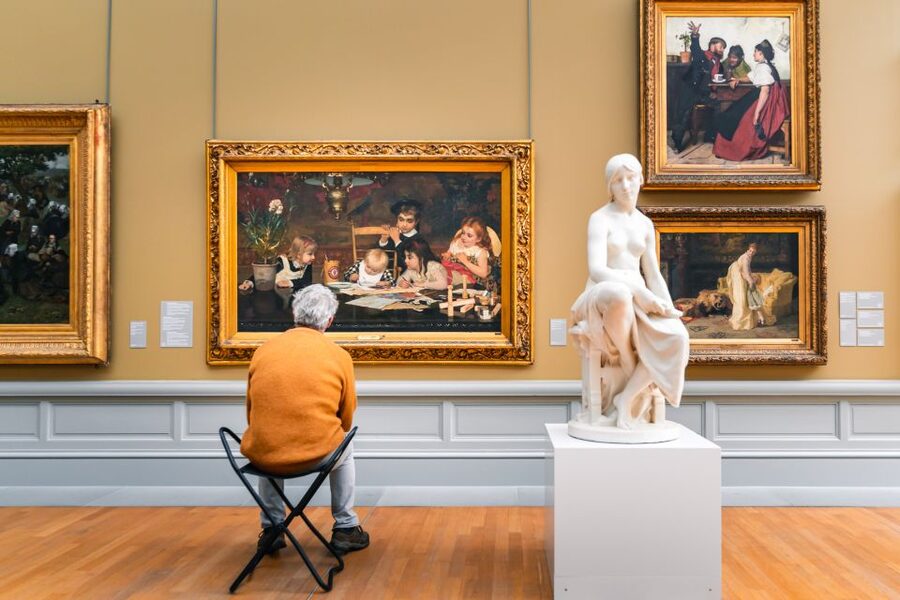
The audio guide is included, so I would use it selectively rather than listening to every entry. Choose the works that stop you, then add a few pieces from periods you know less well.
You can select Dutch, English, or French. The adult material is joined by a children’s audio guide, family labels, and small activities. That makes the museum easier to manage with children, especially if younger visitors need a task beyond looking at rows of paintings.
The alternative audio material is also useful for repeat visitors. A second visit does not have to follow the same script if you choose musical interpretations or queer views instead of standard art-history commentary. Descriptions for visually impaired visitors add another thoughtful layer to the museum’s interpretation.
There is no named live guide included, so this is a self-guided experience. That gives you freedom to move at your own pace, but it also means you should not expect someone to lead you from room to room or answer questions throughout the visit.
How long you should allow
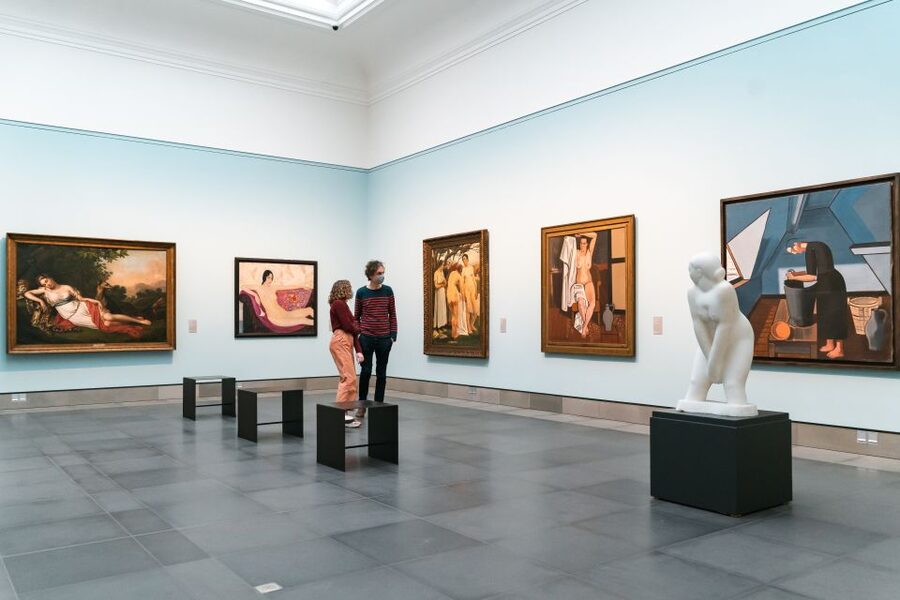
The ticket is valid for one day, and that flexibility matters. A fast visit can cover the main collection in about two hours, which is enough for a first look at the major names and the restoration workshop. If you enjoy reading labels, using the audio guide, and seeing a temporary exhibition, plan on several hours.
The museum’s scale makes a short stop possible, but rushing is the main way to get less value from the ticket. You are paying for access to permanent galleries, temporary shows, interpretation, and a full day of validity. Use that time rather than treating the museum as a 45-minute checkbox.
First Thursdays of the month offer a longer evening visit, with the museum open until 22:00 and often a separate activities program. This can be a smart choice if your daytime schedule is full or if you prefer seeing art after the main sightseeing hours.
There is no food or drink included, and food and drinks are not permitted inside. Plan a break outside the museum rather than expecting to pause with a snack in the galleries.
The building and the park next door
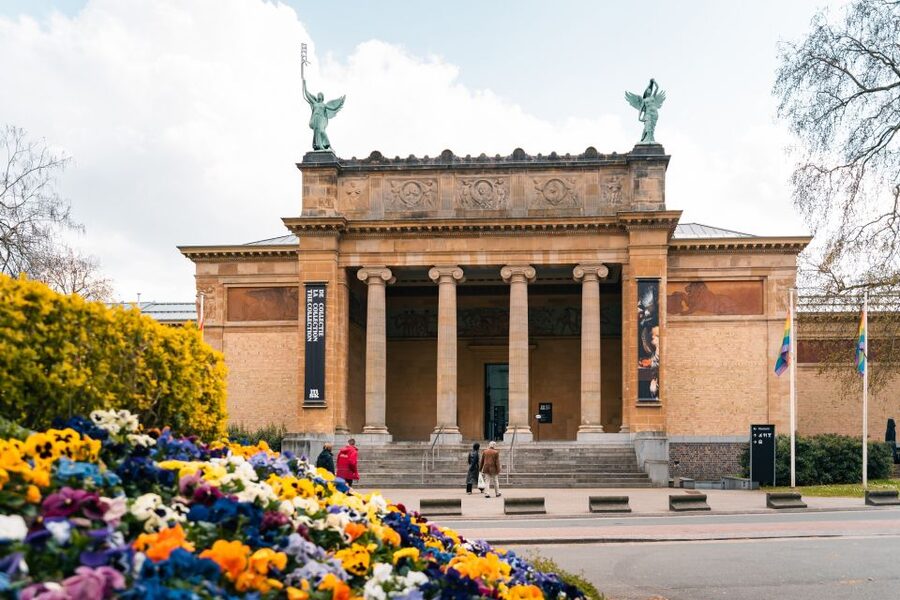
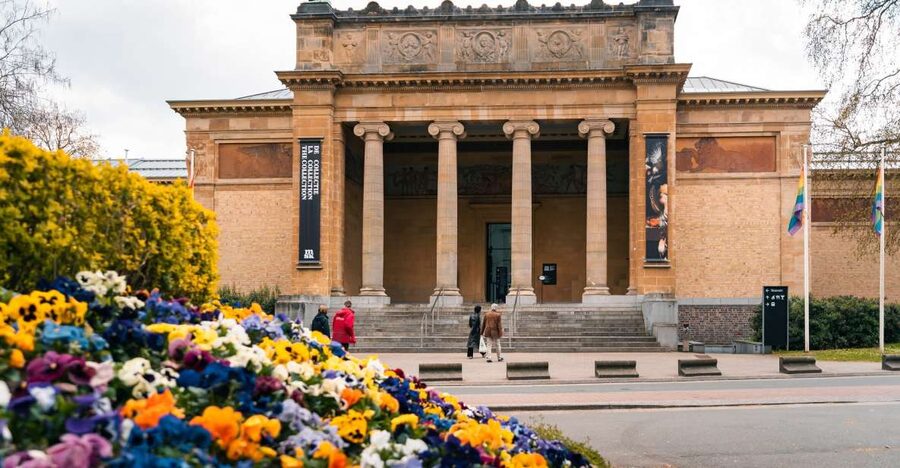
The museum is housed in a monumental building, so part of the experience is simply moving through its rooms and corridors. The architecture gives the collection a formal setting, though the size can make the first few rooms feel like a lot to take in.
Once you have finished, the green park at the museum’s doorstep gives you an easy place to slow down. That is useful after several hours of close looking. You can separate the visit into two parts: art inside, open air outside.
The setting also makes the museum a good counterpoint to Ghent’s medieval center. The old city offers streets, canals, and historic buildings, while this visit gives you a more focused look at Belgium’s art story. Together, they create a fuller picture of the city than either experience alone.
Price, city cards, and practical value
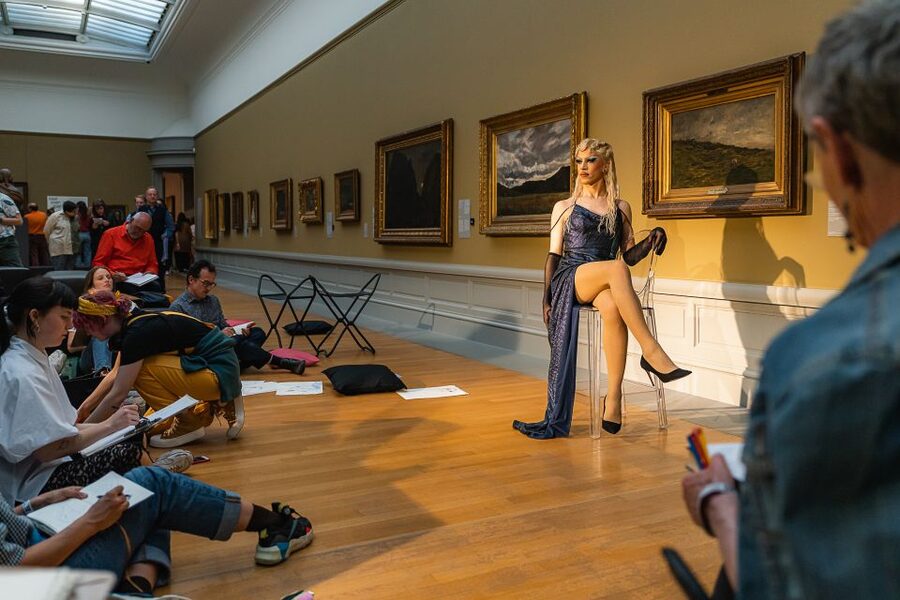
The listed price is about $17 per person. That is fair if you plan to see the permanent collection, use the audio guide, and visit a temporary exhibition. It becomes better value when you spend two or more hours inside, since the ticket covers both the main collection and special shows.
Student pricing can be much lower at the museum. A recent local rate was €4.80, so students should check the current eligibility rules and price before booking the standard ticket.
Pay close attention if you are using the Ghent CityCard. The online museum purchase does not necessarily include the city card option, and buying a separate museum ticket can mean missing the benefit of a CityCard. If you already have a 48-hour card, confirm that the museum is covered and how you are meant to redeem entry before paying for another ticket.
The free cloakroom helps offset the strict bag rules. Large items and coats cannot go into the galleries, but you can leave them at no charge. Umbrellas are also not allowed inside, and flash photography is forbidden.
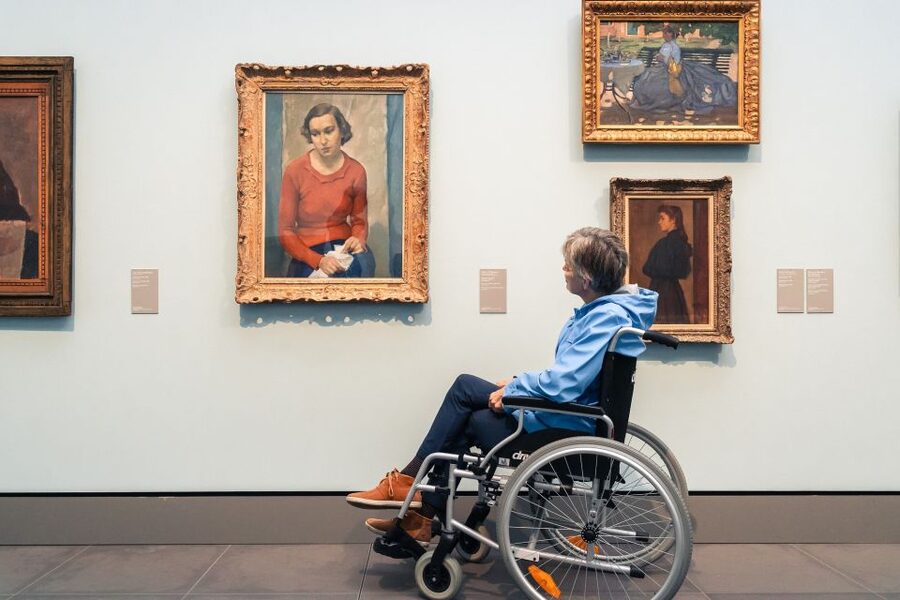
Bring your passport or ID card. The museum is wheelchair accessible through the side entrance, and it has gender-inclusive restrooms plus a room for breastfeeding and diaper changing.
Who will enjoy this museum most
You should book this experience if you want a substantial art museum rather than a short attraction. It suits people interested in Belgian art, European painting, conservation, modernism, and the story of how styles change across centuries.
Families have useful support here. The children’s audio guide, family route, labels, and small activities mean you can give younger visitors their own way into the collection. The building is also fully wheelchair accessible, although you should use the side entrance.
You may want to skip it if your Ghent schedule is extremely tight or if you prefer only outdoor sightseeing. Thirty galleries require attention, and the experience is built around looking slowly. A quick visit can still work, but the museum rewards patience.
It is also a good choice for mixed-interest groups. One person can focus on Bosch and Rubens, another can head toward Ensor and Magritte, and both can meet again at the restoration workshop or temporary exhibition.
Should you book the Ghent Museum of Fine Arts ticket?
Book it if the Ghent Altarpiece restoration interests you, if you want to see major Belgian artists, or if you can spare at least two hours. The combination of permanent galleries, temporary exhibitions, audio options, and the glass-fronted workshop gives the ticket more substance than a simple entrance fee.
Check your CityCard situation first, and look at the temporary exhibition schedule before paying. If the current show appeals to you, the value improves. If you are traveling with children, choose the family route and audio guide rather than expecting them to follow an adult museum visit.
For a first-time art visitor, follow the chronological route and do not try to hear every audio stop. For a returning visitor, choose a thematic route or one of the alternative audio perspectives. Either way, leave time for the park outside and let the museum be more than a quick stop between Ghent’s other sights.
FAQ
How long is the Museum of Fine Arts ticket valid?
The ticket is valid for one day. Check availability for the available starting times.
What does the ticket include?
It includes entry to the permanent collection, temporary exhibitions, the adult audio guide, the children’s audio guide, and the family route with children’s labels and small activities.
Is the Ghent Altarpiece restoration included?
Yes. You can view the final restoration phase of Jan van Eyck’s Ghent Altarpiece in a workshop behind glass.
Which languages are available for the audio guide?
The audio guide is available in Dutch, English, and French.
Is the museum suitable for children?
Yes. A children’s audio guide, family route, children’s labels, and small activities are included.
Is the museum wheelchair accessible?
Yes. The museum is fully wheelchair accessible through the side entrance.
Can I bring a large bag or coat inside?
No. Large items and coats are not permitted in the galleries, but a free cloakroom is available.
Can I bring food and drinks?
No. Food and drinks are not permitted inside, and they are not included with the ticket.
Is the museum open late?
On the first Thursday of each month, the museum remains open until 22:00 and often offers a separate activities program.
Just added in Ghent
- Historic Highlights, by a local guide★ 5.0 · 9 reviews
- Discover Ghent while playing! Escape game – The Walter case★ 4.5 · 4 reviews
- Walking Food Tour in Ghent★ 5.0 · 13 reviews
- Discover Ghent while playing! Escape game – The alchemist★ 4.0 · 4 reviews
- Ghent Walking Tour with Audioguide on Your Smartphone★ 4.5 · 13 reviews
- e-Scavenger hunt Ostend: Explore the city at your own pace★ 4.5 · 10 reviews
- Discover Mons while playing! Escape game – The alchemist★ 4.0 · 5 reviews
- e-Scavenger hunt Mons: Explore the city at your own pace★ 5.0 · 4 reviews
Museums, compared.
Atomium Entry Ticket with Design Museum Ticket
Read our review →
Choco-Story Brussels: Chocolate Museum Entrance with Tasting
Read our review →
Choco-Story Chocolate Museum Guided Tour w/Tastings
Read our review →
2.5-Hour Chocolate Museum Visit with Workshop
Read our review →
The World of Banksy Museum Permanent Exhibition
Read our review →

Chocolate Making Workshop and Chocolate Museum Entry
Read our review →Browse the lists this tour appears in