
Reviewed · MUSEUMS
Brussels: Museum Halle Gate Entry Ticket
The most striking part of the Halle Gate is the chance to walk through a real medieval gateway, not a modern museum built to imitate one. Inside, you move through 14th-century vaulted rooms, old defensive spaces, and displays about Brussels’ walls, guilds, and city gates. I like the clear historical focus, and I like that an $8 ticket also gets you to the rooftop for a broad view of Brussels. The main catch is that the rooftop requires stairs, and some English information depends heavily on the audio guide.
The museum is compact enough for a useful one-day stop, especially when you want something different from the city center’s grand squares and art museums. I would begin on the lower level, use the English audio guide from the start, and allow extra attention for any rooms affected by renovation.
Key points to know before entering
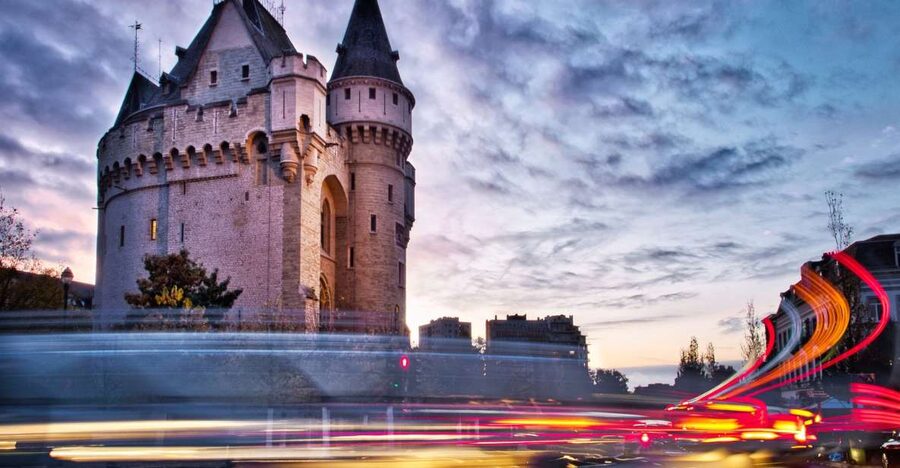
- The medieval passage is the main event: Walk through the old central gateway that once controlled people and goods entering fortified Brussels.
- The museum tells a focused story: Displays explain the city fortresses and the guilds they protected.
- Start below street level: Begin the route on the lower floor so you do not miss part of the collection.
- The audio guide matters: English, French, and Dutch audio support the exhibits, while some written labels may not be in English.
- The rooftop is reached by stairs: The panoramic view is worthwhile, but it is not accessible by elevator.
- The $8 price is easy to justify: This is a low-cost historical stop with a distinctive building and a city view.
Entering Brussels through a medieval gateway
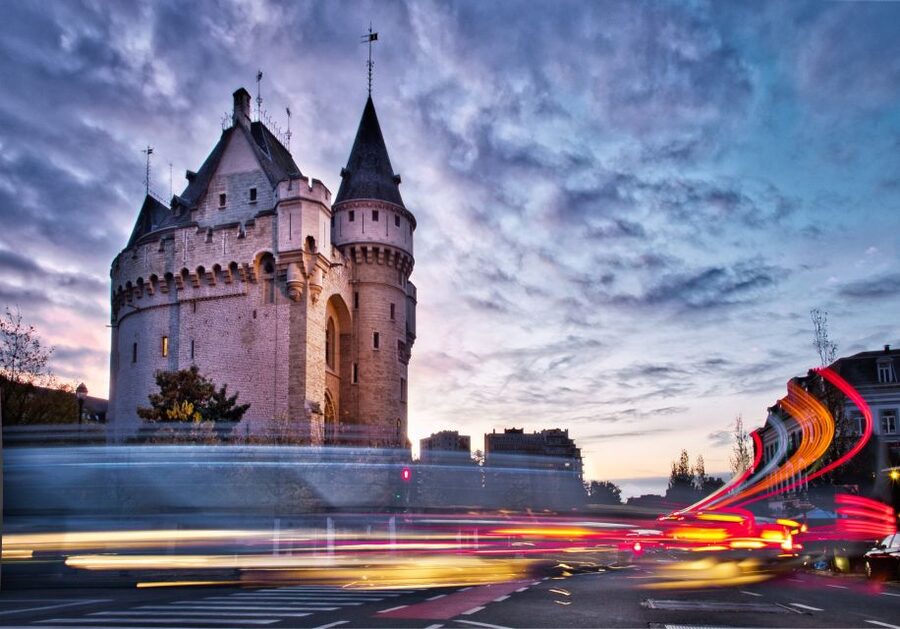
The Halle Gate was once one of the entrances through Brussels’ fortified walls. Its job was practical and serious: it controlled the movement of people and goods into the city. Today, you can pass through the same central route and get a physical sense of how tightly the medieval city was managed.
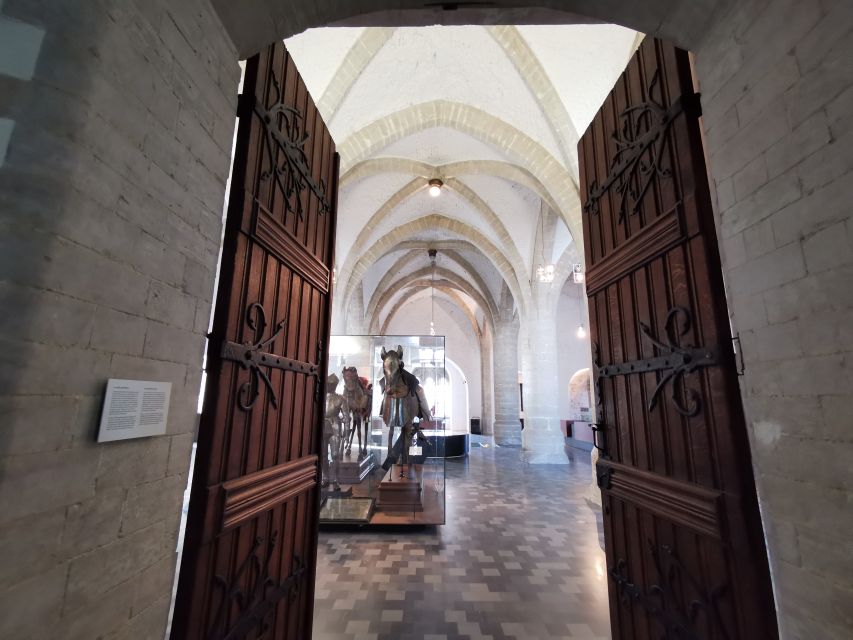
That makes the visit different from looking at a fragment of wall behind a fence. The gateway is a building you enter, climb, and explore. Its heavy structure, narrow route, spiral staircase, and high roof give the place a storybook look, but the museum keeps the focus on how the fortifications actually worked.
I like starting here because the building explains itself before you reach the displays. The passage shows why gates mattered. The rooms above and around it show how a fortified city needed rules, defenses, workers, and organized trades.
The visit lasts one day on the ticket, but the museum itself is not designed as an all-day attraction. You can treat it as a focused stop of your Brussels sightseeing, then continue to another museum or neighborhood afterward. The short format is part of the value. You get a memorable building and a clear subject without committing half a day to a large museum complex.
Other collections worth an hour in Brussels:
- Brussels: Atomium Entry Ticket with Design Museum Ticket
★ 4.4 · 9,254 reviews - Choco-Story Brussels: Chocolate Museum Entrance with Tasting
★ 4.3 · 4,883 reviews - Brussels: 2.5-Hour Chocolate Museum Visit with Workshop
★ 4.6 · 1,263 reviews
The lower level is the best place to begin
One practical tip matters more than it sounds: start the route on the level below the ground-floor entrance. If you simply enter and begin with the first room you see, you may miss an entire floor of material.
The lower level helps set up the story of Brussels’ defenses. An educational trail follows the development of the fortresses and the role of the city gates. It is easier to understand the later objects and displays once you know what the walls were meant to protect and control.
Use the audio guide as soon as you begin. It is available in Dutch, French, and English, and it provides much of the explanation you need. The English written material can be limited, with some labels presented only in French and Dutch. That does not make the museum impossible without audio, but it does make the visit less clear.
The audio guide also has limits. Some objects may not have a matching explanation, so you will occasionally be looking at a display without much context. I would not treat this as a guided tour with a person leading you from room to room. It is a self-guided museum visit, and your experience improves if you pay attention to the route and do not rush between stops.
Vaulted rooms and the story of city defenses
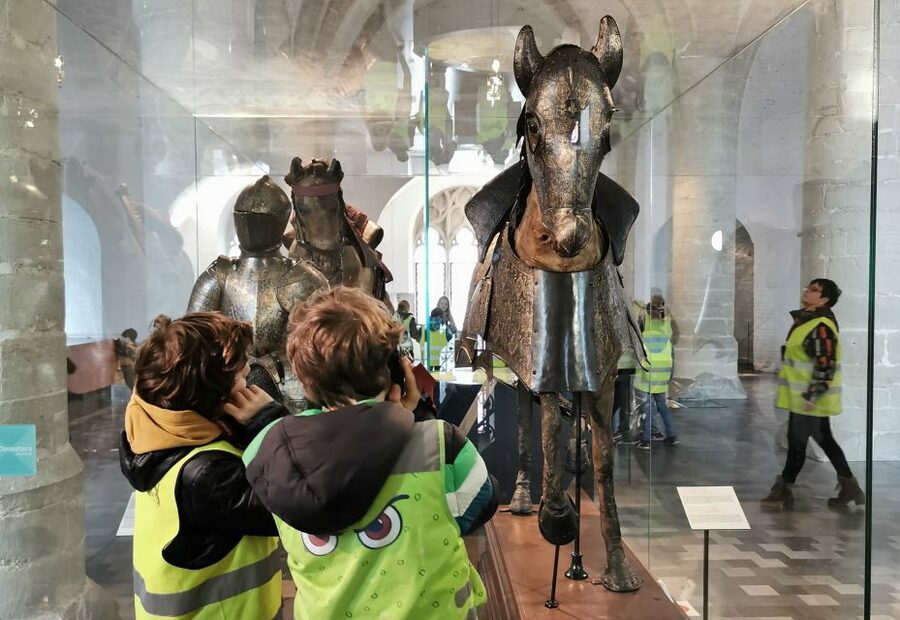
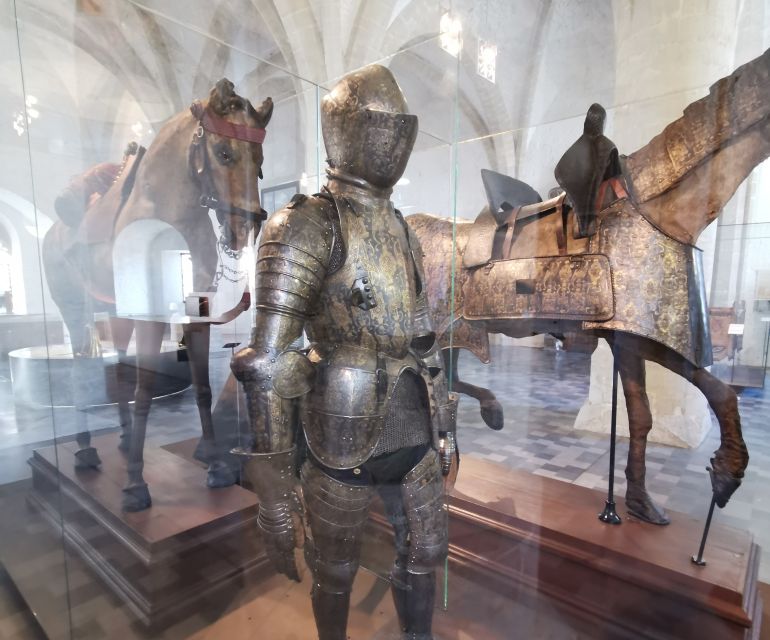
The 14th-century vaulted rooms are the setting that gives the museum its character. These are not neutral gallery boxes. The ceilings, stonework, and compact spaces help you picture the gate as part of a working fortress rather than a decorative monument.
The historical collection focuses on Brussels’ fortifications and the guilds they defended. That combination is useful because it connects military structures with daily urban life. A city wall did not protect an empty space. It protected homes, workshops, trade, and the organized groups that helped run the city.
You might find the displays most rewarding if you enjoy history at the city scale. The museum is not trying to tell every story about Belgium. It concentrates on how Brussels was enclosed, entered, defended, and organized.
The guild material also gives the fortress story a human angle. Defensive walls can feel abstract when you see them on a map. Here, the museum links them to the people and trades inside the city. I would listen carefully to the audio explanations in this section, since the objects alone may not make their purpose obvious.
The building itself remains the strongest exhibit. The vaulted rooms, narrow routes, and old masonry do more work than a large collection of objects could do in a modern hall. You are not only reading about medieval Brussels. You are moving through one of its surviving gateways.
Climbing the spiral staircase to the roof
The spiral staircase is one of the most memorable parts of the visit. It gives the Halle Gate its fairy-tale appearance, but it also reminds you that medieval buildings were built for movement through tight, vertical spaces.
The rooftop view is the payoff. From above, you can look across Brussels and see the city from a place that once served a defensive purpose. The exact panorama is not described in detail, so you should think of it as a broad city outlook rather than a guaranteed view of every famous landmark.
The roof is accessible only by stairs. That is important for anyone with limited mobility, anyone using a wheelchair, or anyone who simply finds steep stairways tiring. The rest of the museum has an elevator for people with impaired mobility, but the panoramic rooftop cannot be reached that way.
I would save enough energy for the climb rather than treating the roof as an optional afterthought. The view changes the meaning of the gate. From inside, you understand the building as a passage and fortress. From above, you see its place within the wider city.
Other tickets worth pre-booking in Brussels:
- Brussels: Entry Ticket to Mini-Europe
★ 4.5 · 2,870 reviews - Brussels: Train World Museum Entrance Ticket
★ 4.7 · 524 reviews - Brussels Train World Museum Entrance Ticket
★ 4.5 · 220 reviews - Brussels Autoworld Museum Entrance Ticket
★ 4.5 · 161 reviews
Temporary exhibitions and changing reasons to return
Temporary exhibitions offer a reason to come back if you are spending several days in Brussels or returning on a later trip. The permanent material gives you the building and the main fortress story, while temporary displays can change the emphasis from one visit to the next.
The details of those exhibitions are not fixed, so check what is showing before you book if a special display is important to you. The museum’s compact size makes a return visit practical, especially if you previously saw the main collection quickly.
You should also keep expectations sensible during periods of renovation. Some areas or displays may not feel fully finished, and a room can seem sparse if an exhibition section is being changed. That does not erase the value of the medieval structure, but it may affect how polished the visit feels on a particular day.
One upper room has been described as dark and unusual, with a dolls house and puppet-like objects. If that display remains in place, it may feel more eerie than educational. I would treat it as an odd corner of the museum rather than a central reason to buy the ticket.
Is the $8 ticket good value?
At $8 per person, the Halle Gate is an inexpensive museum stop in Brussels. The price covers entry to the museum, the historical route, the audio guide, and access to the rooftop when open. It does not include transport, hotel pickup, or drop-off, so you arrange your own way to the gate.
The value depends on what you want from a museum. If you prefer large collections, polished English labels, or a full schedule of activities, this visit may feel slight. If you care about buildings, city walls, and a focused story, the price is easy to defend.
I especially like the mix of three things for one modest fee: a surviving medieval structure, a clear introduction to Brussels’ defenses, and a rooftop view. You do not need to build your whole day around it. It works well as a shorter stop when the weather is uncertain or when you want a break from the city’s busier central sights.
Free cancellation up to 24 hours before the visit and the option to reserve now and pay later add useful flexibility. The ticket is valid for one day, with starting times subject to availability. You can also skip the ticket line, which matters when you are fitting the museum between other plans.
Accessibility and practical planning
The museum is wheelchair accessible in its main areas, with an elevator available for people with impaired mobility. The rooftop is the exception because it can only be reached by stairs.
Do not use flash photography inside. The audio guide is included, so choose English if you need it, and begin on the lower level rather than the floor where you enter.
There is no hotel pickup or drop-off. This is a straightforward museum admission rather than a staffed city tour, so you should plan your own arrival and departure.
I would choose the Halle Gate for a flexible morning or afternoon stop, not as the only major sight of your day. Pair it with other Brussels attractions, and give yourself time to listen rather than racing through the rooms. The building rewards attention to its shape and structure.
Who will enjoy Halle Gate most?
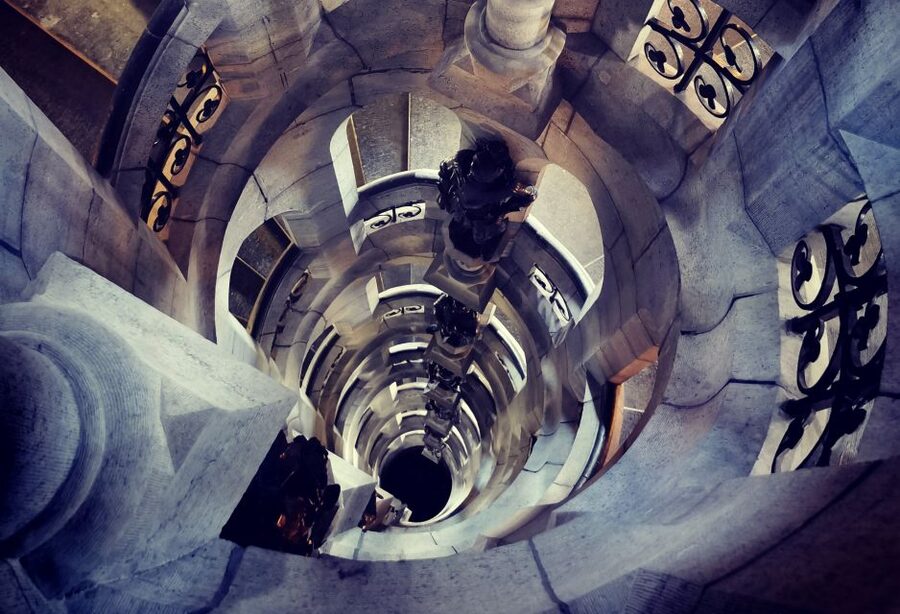
History-minded visitors will get the most from the fortress story and the guild displays. Architecture fans will appreciate the vaulted rooms, spiral staircase, heavy roof, and unusual layout more than they might appreciate a standard museum gallery.
Families may enjoy the fairy-tale look of the building and the climb, though the darker upper display may not suit every child. The audio guide can help older children follow the story, but the amount of English text on the walls may be frustrating without it.
The museum also suits repeat visitors to Brussels. If you have already seen the famous central sights, Halle Gate gives you a different view of the city, one tied to defense, trade, and controlled entry.
I would be more cautious if you need complete step-free access to every part of a museum, want extensive English labels, or dislike displays that may be affected by renovation. Those are not reasons to reject the visit outright, but they should shape your expectations.
Should you book the Halle Gate ticket?
Book it if you want a low-cost, distinctive museum visit in an authentic medieval building. The vaulted rooms, central passage, fortress story, and rooftop view make this more than a quick photo stop.
Use the English audio guide, start downstairs, and check the current exhibition or renovation situation before you go. Skip it if your Brussels schedule is packed with larger museums or if climbing to the roof is essential and stairs are not suitable for you.
For $8, I think the Halle Gate earns its place as a practical extra rather than a headline attraction. It is compact, atmospheric, and unusual, with enough history to make the visit worthwhile and enough flexibility to fit neatly into a busy day.
FAQ
How much does admission to the Halle Gate cost?
The entry ticket costs $8 per person.
How long is the ticket valid?
The ticket is valid for one day. Starting times depend on availability.
Is an audio guide included?
Yes. The audio guide is included in Dutch, French, and English.
Is the museum wheelchair accessible?
The main museum areas are wheelchair accessible, and an elevator is available for people with impaired mobility. The rooftop can only be reached by stairs.
Can I visit the rooftop without using stairs?
No. The rooftop panoramic view is accessible only by stairs.
Can I cancel the booking for a refund?
Yes. You can cancel up to 24 hours in advance for a full refund.
Is hotel transportation included?
No. Hotel pickup and drop-off are not included.
Just added in Brussels
- Standard vehicle from Brussels airport to city of Antwerp★ 5.0 · 4 reviews
- Luxury vehicle from Brussels airport to the city of Brussels★ 4.0 · 5 reviews
- Transfer Brussels Airport (BRU) –> City Center 7 PAX (ONE WAY)★ 5.0 · 7 reviews
- PRIVATE MPV TRANSFER FROM/TO BRUSSELS AIRPORT (Max 6 pax) ONE-WAY★ 5.0 · 4 reviews
- Luxury Minivan from Brussels airport to the city of Brussels★ 4.0 · 7 reviews
- Transfer Brussels Airport –> Brussels MB V Class 7 PAX (ONE WAY)★ 5.0 · 4 reviews
- Transfer Brussels Airport –> City MB E Class 1-3 PAX (ONE WAY)★ 5.0 · 6 reviews
- Brussels: City Walk with Audioguide in 7 Languages on your Phone★ 3.5 · 4 reviews
Museums, compared.
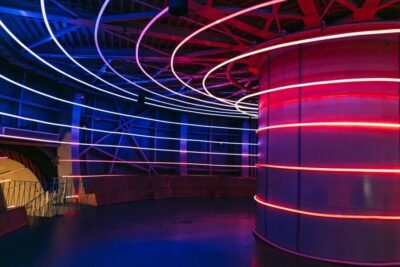
Atomium Entry Ticket with Design Museum Ticket
Read our review →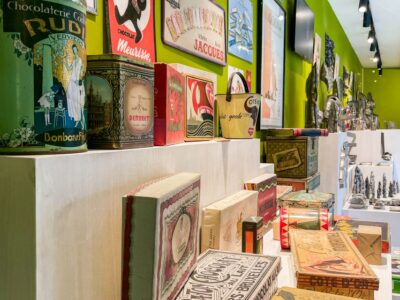
Choco-Story Brussels: Chocolate Museum Entrance with Tasting
Read our review →
Choco-Story Chocolate Museum Guided Tour w/Tastings
Read our review →
2.5-Hour Chocolate Museum Visit with Workshop
Read our review →
The World of Banksy Museum Permanent Exhibition
Read our review →

Chocolate Making Workshop and Chocolate Museum Entry
Read our review →Browse the lists this tour appears in