
Reviewed · DAY TRIPS FROM BRUSSELS
From Brussels: Bruges Private Tour
Bruges feels like a medieval town left carefully in place while modern Belgium grew around it. This private tour takes you through the UNESCO-listed center, from the Market Square and Burg Square to Our Lady of Bruges, the Beguinage, and the Lake of Love. It is a good way to get your bearings fast.
I like the private format, which lets you ask questions and request a few personal stops. I also like the range of languages and the chance to shape the tone of the tour, from entertaining to academic. The main caution is transport: pickup is arranged with you, but trains, cars, buses, and entrance tickets are not included.
Key points to know before you book
- A three-hour private walk: Your group can include up to 20 people, with the guide’s attention reserved for your party.
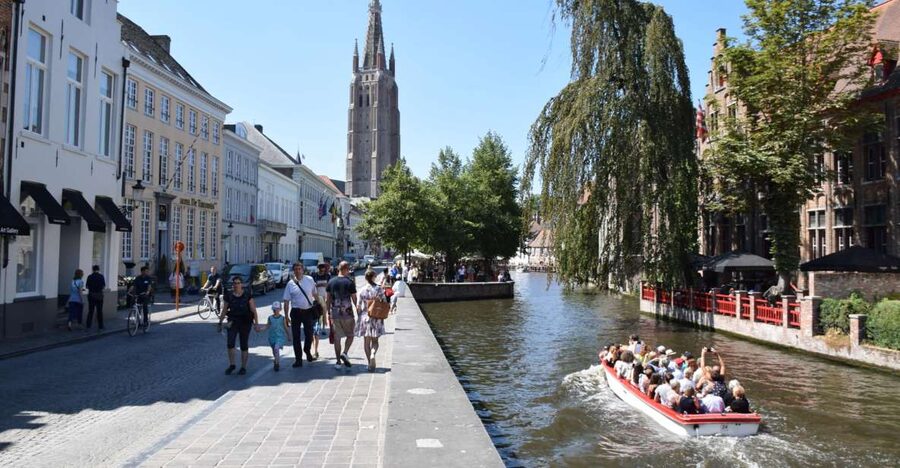
- Bruges’ main landmarks in one route: Expect the Market Square, Burg Square, Our Lady of Bruges, the Beguinage, the Lake of Love, and other central sights.
- Canal boat trip costs extra: The optional boat ride is €15 and is not part of the tour price.
- Transport needs careful planning: Pickup can be arranged in Brussels or Bruges, but transport and tickets are separate costs.
- Guide quality can vary: David, Bert, Amryk, and Jeremias have received especially warm personal comments, while one recent experience was cut short.
- Flexible tour style: You can request a more entertaining, academic, or professional approach.
Why Bruges makes such a good short tour
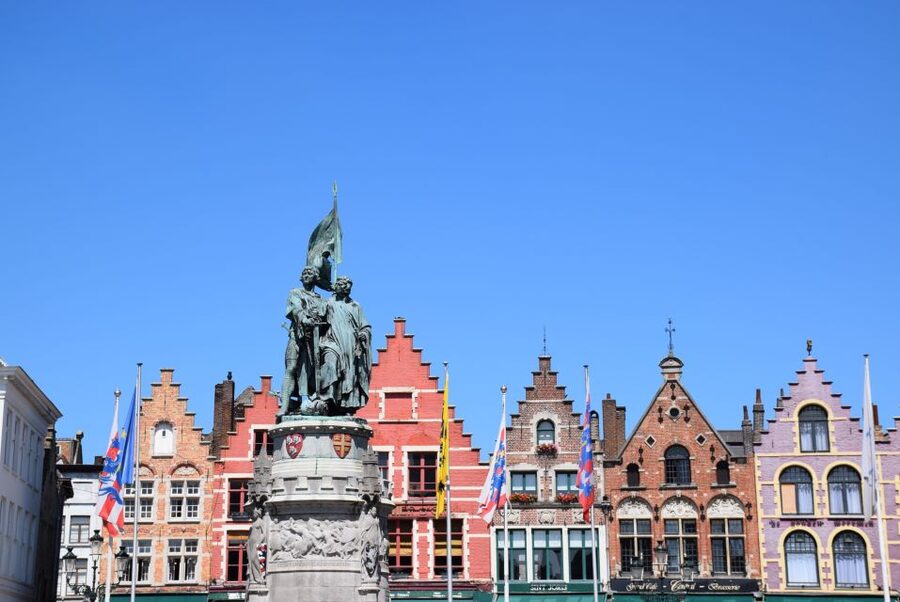
Bruges is about 100 kilometers from Brussels, but it feels like a different chapter of Belgium. Its medieval center survived because the city lost much of its commercial importance over the centuries, sparing it from large-scale rebuilding. That odd twist of history is part of what makes the place so appealing today.
In the 15th century, Bruges was a major port and a meeting place for artists, nobles, and merchants from across Europe. The waterway that once brought wealth eventually silted up, and the city grew quieter. Its old streets, canals, churches, and squares remained.
I find that context useful because Bruges can otherwise seem almost too polished. A guide helps explain why the city looks this way and how its fortunes changed. You are not simply walking past attractive brick buildings. You are seeing the remains of a once-important European center that became valuable partly because it stopped changing so quickly.
The three-hour length is enough for a broad introduction, not a full study of every museum and church. You will cover a lot of ground, so wear comfortable shoes and expect a mostly outdoor experience.
Other days out of Brussels:
- From Brussels: Guided Day Trip to Bruges and Ghent
★ 4.6 · 8,353 reviews - From Brussels: Bruges & Ghent Day Tour – 2 Fairytale Cities
★ 4.7 · 8,242 reviews - Bruges and Ghent – Belgium’s Fairytale Cities – from Brussels
★ 4.0 · 4,809 reviews
Starting with Bruges’ old walls and central streets
The route includes the ancient city wall park, an easy place to begin understanding Bruges’ shape. The old defenses once marked the edge of the city. Today, the setting gives you a sense of how compact the medieval center is and how much of the visit can be handled on foot.
From there, the walk moves toward the historic core. This is where a private guide can save you time. Bruges is pleasant to wander, but its streets can feel confusing when you are trying to fit several landmarks into a short visit. A good guide keeps the route moving and explains what deserves your attention.
The tradeoff is pace. Three hours goes quickly, especially if you stop for photos or ask detailed questions. One particularly concerning experience lasted only about one hour and 45 minutes instead of the advertised three hours. That appears to be an exception, but I would confirm the starting point, route, and expected finish when you arrange pickup.
Market Square and the Belfry area
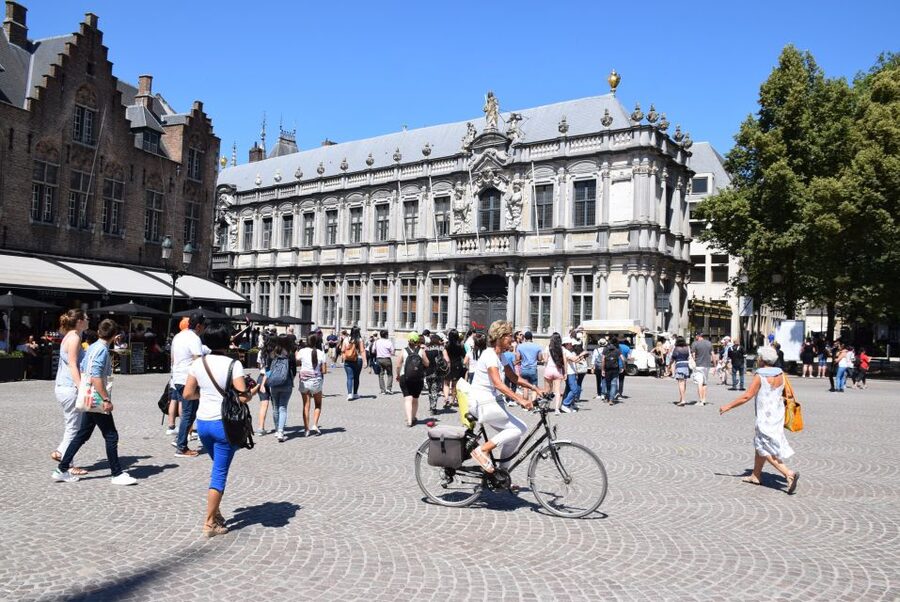
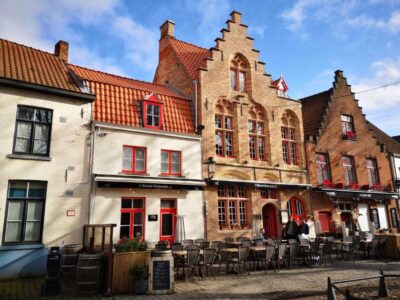
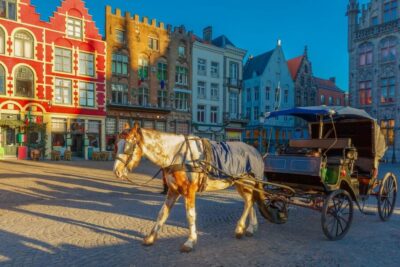
Bruges’ Market Square is the natural centerpiece of the visit. It is the sort of broad civic space that makes the city’s medieval past easy to picture. Historic facades line the square, and the area gives you a clear sense of Bruges as a former commercial and political center.
This is also a place where a guide’s skill matters. Basic facts are easy to find, but a strong guide connects the square to the city’s trade, civic life, and later decline. David was praised for explaining the history and information around the sights while making good use of limited time. That is exactly what you want here.
The square is also one of the busier parts of Bruges. Your guide can help you see past the postcard view and point out details you might miss on your own. Still, do not expect a quiet private courtyard. This is one of the city’s main public spaces, and the route may feel energetic during busy periods.
Burg Square and the city’s civic heart
Burg Square offers a different mood from the Market Square. It is closely tied to Bruges’ civic and religious authority, and the surrounding buildings help show how power was organized in the medieval city.
I like having both squares in the same tour because they are not interchangeable. The Market Square speaks more clearly to trade and public life, while Burg Square helps explain government and religion. Seeing both gives you a more balanced picture of Bruges than visiting only the most photographed streets.
The tour also includes the VisMarkt, or Fish Market. This stop connects the city to everyday commerce. It is a useful reminder that medieval Bruges was not just a setting for grand churches and noble residences. It was also a working city, with food, trade, and practical business at its center.
A few more things to do in Brussels worth a look
- Brussels Highlights & Hidden Gems Private Tour with a Local Guide
★ 5.0 · 251 reviews - Brussels: Belgian Beer Tasting and Course at a Private Bar
★ 4.6 · 219 reviews - Brussels PRIVATE TOUR With Locals: Highlights & Hidden Gems
★ 5.0 · 177 reviews - Brussels: Private 3-Hour Sightseeing Walking Tour
★ 4.6 · 112 reviews
Our Lady of Bruges and Old St. John’s Hospital
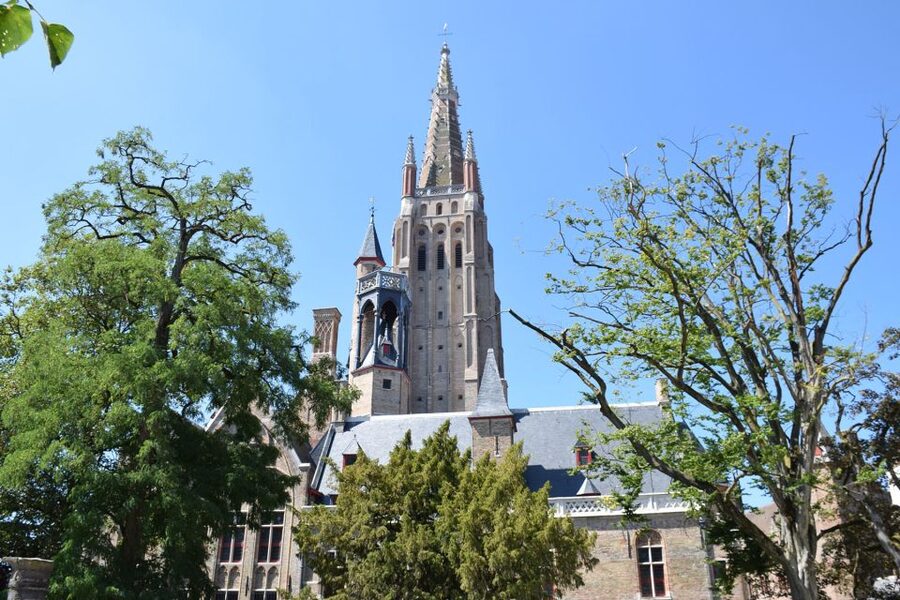
The Church of Our Lady of Bruges is one of the important stops on the route. Its tall profile is easy to spot, and its interior and artistic connections add a more serious side to the walk. Bruges attracted artists and nobles during its strongest period, and the church helps place that cultural activity in context.
Old St. John’s Hospital brings another layer to the story. Historic hospitals were not simply medical buildings in the modern sense. They served religious, charitable, and community roles, and their presence shows how medieval cities cared for the sick and poor.
The exact amount of time spent inside each site can depend on the group and the guide. The description confirms that these places are part of the route, but it does not promise a paid museum entry or a long interior visit. If Our Lady of Bruges or the hospital is a top priority, tell the guide before you begin.
Groeninge Museum and Bruges’ artistic side
The Groeninge Museum is included among the places you will see, and its name points to Bruges’ strong art tradition. The city’s connection with painters is one reason the tour’s focus on artists and nobles matters.
You should clarify whether the visit means an exterior stop or an entrance visit. Museum tickets are not included, and the three-hour format may not allow a full museum session. If you want to study the collection properly, you will need to plan additional time and confirm the entry arrangements.
This is one of the useful strengths of a private booking: the route can be adjusted. A guide may be able to spend more time on art, or keep the focus on streets, buildings, and city history. The tour can be arranged in an entertaining, academic, or professional style, so state your preference clearly.
De Halve Maan Brewery and the Beguinage
The route includes Brewery De Halve Maan, a well-known Bruges stop that connects the city’s old traditions with its living food and drink culture. The tour does not promise a brewery visit, tasting, or admission, so treat it as a sight along the route unless your guide confirms otherwise.
The Beguinage offers a quieter change of pace. Beguines were women who lived in religious communities without taking the same vows as nuns. Their courtyards and houses reflect a distinctive form of urban life, with a strong sense of order and privacy.
For me, this contrast is one of the best parts of the walk. You move from large public squares to a more restrained setting, then on toward the Lake of Love. It keeps the tour from becoming a march between famous facades.
The Lake of Love and Bruges’ romantic image
The Lake of Love, often called Minnewater, is the stop that best matches Bruges’ romantic reputation. It gives the tour a softer ending, with water, greenery, and a calmer setting than the central squares.
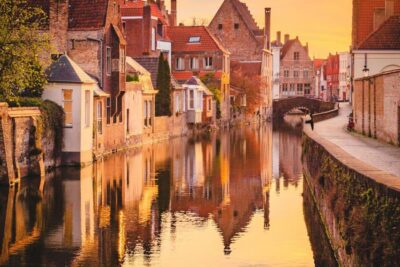
The romantic side of Bruges is real, but it is only one part of the city. The tour works best when the guide explains the commercial and civic past as well as the pretty canals. Otherwise, you risk seeing Bruges as a film set rather than a historic city.
This is also a good photo stop, though the tour is not designed as a dedicated photography outing. You will want to keep moving if you hope to cover the full route in three hours.
Should you add the canal boat ride?
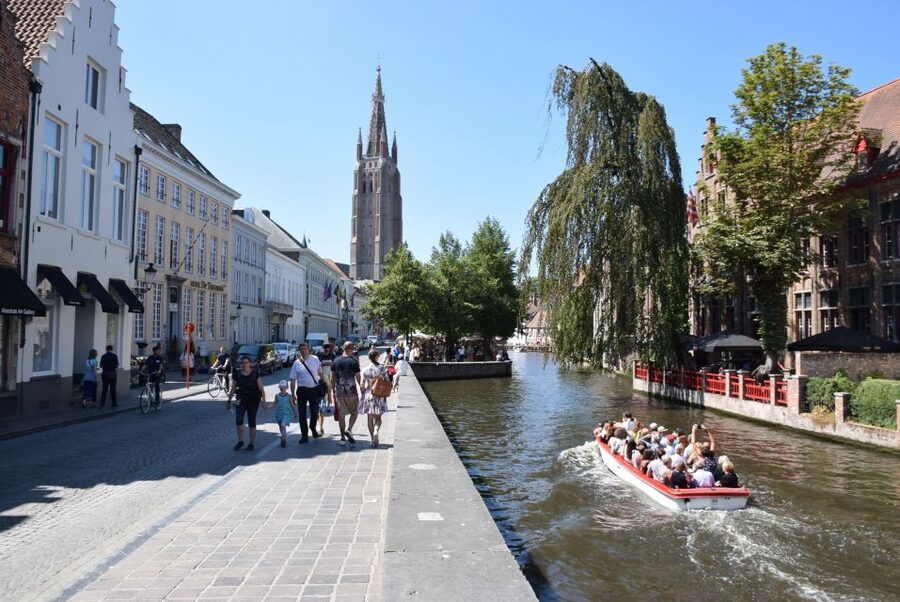
The canal boat trip costs €15 extra. It is not included in the $353 group price, and it should be treated as an optional addition rather than a guaranteed part of the walking tour.
A boat ride can show Bruges from a lower, water-level angle and give your feet a break. It may be especially appealing after walking through the old center. But adding it to a three-hour tour leaves less time for the listed landmarks, so ask how the timing will change.
The boat is not automatically the best use of your money if you are already paying for transport from Brussels. I would first decide what matters most: a fuller walking tour, a canal view, or a shorter route with time on the water.
Price, transport, and the real value
The price is $353 per group of up to 20 people. That can be fair for a large family or group of friends, since the cost is shared rather than charged per person. For two people, however, it is a much more expensive way to see Bruges than joining a group walk.
The private format gives you control over the pace, language, and subject matter. Families may value that freedom, especially since Bert received especially warm praise for working well with two children. Janice also had a good experience with Amryk, who adjusted the time to include three extra things she wanted to see.
Transport is the point that needs the clearest discussion. Pickup is included in the sense that the meeting location can be arranged in Bruges or Brussels, but transport itself is not included. Private cars, buses, trains, and tickets are separate. One group paid €96 for train tickets and felt the extra cost had not been clear enough.
I would ask these questions before paying:
- Where exactly does the tour begin?
- If starting in Brussels, who pays for the train or private vehicle?
- Is the guide meeting you in Bruges, or traveling with you from Brussels?
- Are museum or church entrance tickets included?
- Does the €15 canal boat replace part of the walking route?
That short conversation can prevent an unpleasant surprise.
Languages, guides, and how to get the most from the walk
The tour is offered in Spanish, English, French, German, Italian, Portuguese, and Russian. Language choice matters in a history-heavy city because you will get more from the walk if explanations feel natural and easy to follow.
Individual guide quality appears to be uneven. David was praised for strong historical explanations and for directing the group’s time well. Bert was particularly effective with children. Amryk adapted the route to personal requests, and Jeremias was described as friendly, attentive, and helpful.
At the same time, one guide openly said he did not usually lead tours in Bruges and supplied only basic information. The tour also ended early in that case. I would request an experienced Bruges guide when booking and confirm the name if possible.
Bring comfortable shoes, arrive ready to walk, and tell the guide your priorities at the start. If you want churches, art, or medieval history, say so. If your group includes children, ask for a more entertaining approach. The flexible format works best when you use it.
Who should book this Bruges tour?
I would consider it for a family, group of friends, or business party that wants a private introduction without coordinating its own route. A group close to 20 people can get good value from the fixed price, especially if transport is arranged separately and shared.
It also suits visitors who want a guide in a less common language or who prefer to shape the tour around art, history, or practical sightseeing. The route covers the major central sights without demanding a full day.
I would be more cautious if you are traveling alone or as a couple on a tight budget. The price is harder to justify for a small party, and you still need to add transport and possibly entrance fees. I would also avoid booking without clarifying the guide’s Bruges experience and the exact pickup plan.
Should you book it?
Book this tour if you value privacy, flexible pacing, and a broad first look at Bruges. The route covers the city’s strongest themes: medieval commerce, civic power, art, religion, daily life, and romance.
I would book it for a larger group, request an experienced guide such as David, Bert, Amryk, or Jeremias when available, and confirm all transport costs in writing. Add the canal boat only if you want the water-level view more than extra time on foot.
For a couple or solo visitor, compare the group price carefully. You may find better value elsewhere, but this option can still make sense if a private multilingual guide and a customized route are your main priorities.
FAQ
How long is the Bruges private tour?
The tour lasts three hours. Check the available starting times when booking.
How many people can join the private group?
The group is limited to 20 participants.
Is transportation from Brussels included?
Pickup is arranged with you in Bruges or Brussels, but transport such as a private bus, private car, or train is not included. Transport tickets must be paid separately.
Does the tour include a canal boat ride?
No. The canal boat trip is optional and costs €15 extra.
Which languages are available?
The tour can be provided in Spanish, English, French, German, Italian, Portuguese, or Russian.
Which Bruges sights are included?
The route includes the ancient city wall park, Market Square, Burg Square, the VisMarkt, Groeninge Museum, Our Lady of Bruges, Old St. John’s Hospital, Brewery De Halve Maan, the Beguinage, and the Lake of Love.
Can the tour be adapted to my interests?
Yes. The tour can be arranged in an entertaining, academic, or professional style, and the itinerary can be adjusted to suit your needs and preferences.
Just added in Brussels
- Standard vehicle from Brussels airport to city of Antwerp★ 5.0 · 4 reviews
- Luxury vehicle from Brussels airport to the city of Brussels★ 4.0 · 5 reviews
- Transfer Brussels Airport (BRU) –> City Center 7 PAX (ONE WAY)★ 5.0 · 7 reviews
- PRIVATE MPV TRANSFER FROM/TO BRUSSELS AIRPORT (Max 6 pax) ONE-WAY★ 5.0 · 4 reviews
- Luxury Minivan from Brussels airport to the city of Brussels★ 4.0 · 7 reviews
- Transfer Brussels Airport –> Brussels MB V Class 7 PAX (ONE WAY)★ 5.0 · 4 reviews
- Transfer Brussels Airport –> City MB E Class 1-3 PAX (ONE WAY)★ 5.0 · 6 reviews
- Brussels: City Walk with Audioguide in 7 Languages on your Phone★ 3.5 · 4 reviews
Day Trips from Brussels, compared.
Bruges and Ghent – Belgium’s Fairytale Cities – from Brussels
Read our review →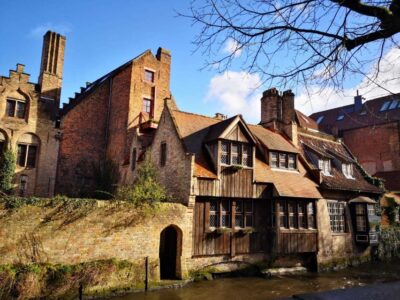
From Paris: Day Trip to Bruges with Optional Seasonal Cruise
Read our review →Browse the lists this tour appears in