
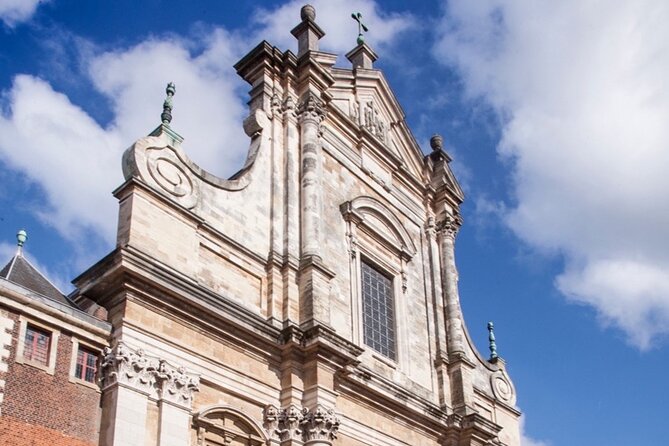
Reviewed · TOURS IN BRUGES
Exclusive Bruges Churches Tour: Admire Michelangelo’s Masterpiece
Michelangelo’s Madonna is the headline, but the real strength of this Bruges tour is the route around it. In about three and a half hours, you move through seven churches that reveal how trade, faith, family power, and art shaped the city. Church of Our Lady delivers the famous sculpture, while smaller churches add the context most short city walks miss.
I like the private format, since you can ask questions and set a comfortable pace with your own guide. I also like the range of buildings: Gothic, Baroque, medieval family chapels, a basilica, and a cathedral all appear in one compact walk.
The main drawback is cost. At $191.05 per person, this is a serious outlay, and you must add €10 for entry to Church of Our Lady. It makes the most sense if your group cares deeply about art, architecture, and Bruges’ past, rather than simply wanting a general introduction to the city.
Key points at a glance
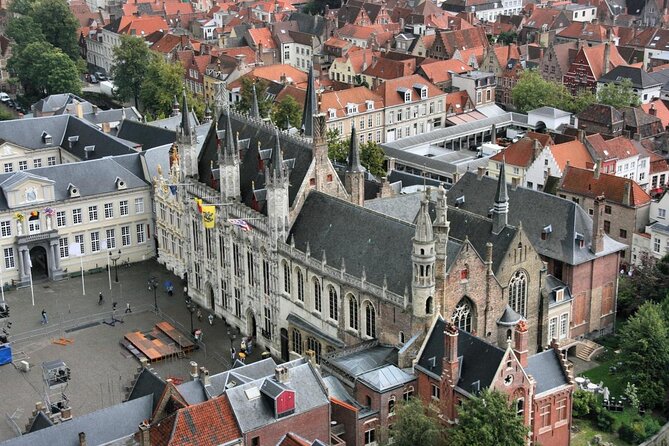
- Michelangelo’s Madonna: See the celebrated sculpture inside Church of Our Lady, along with the tombs of the counts of Burgundy and other important art.
- Seven churches in one walk: The route includes Gothic, Baroque, medieval, and cathedral interiors.
- A private English-speaking guide: Xavier leads the experience, with time for questions and discussion.
- Small churches with big stories: Saint-Jakobskerk, Saint-Anne Church, and the Adornes family chapel show a side of Bruges many city walks skip.
- A useful afternoon route: Meet at Markt 5 at 1:30 pm and finish at Saint-Salvator’s Cathedral.
- Extra church fee: The €10 entrance charge for Church of Our Lady is not included in the tour price.
Why these seven churches tell Bruges better than a postcard
Bruges is easy to admire from its canals and medieval streets, but its churches explain why the city became important. Inside, you see where wealthy families worshipped, where rulers were buried, how religious art changed over time, and how local builders responded to different styles.
This is not a standard walk past famous facades. You spend time inside seven religious buildings, with about 30 minutes at most of the major stops. That matters because the details are indoors: altarpieces, sculpture, tombs, wall paintings, chapels, and the layout of the buildings themselves.
The order also gives you variety. You begin at Markt, move through several historic quarters, and finish at the cathedral on Steenstraat. Since the tour is private, the guide can answer questions as they come up instead of giving a fixed speech to a large group.
Other trips people book in Bruges:
- Bruges: Small Group Boat Cruise and Guided Walking Tour
★ 4.8 · 4,102 reviews - Bruges: Walking Tour, Canal Boat Trip w/Beer Tasting Option
★ 4.4 · 2,759 reviews - Historical Walking Tour: Legends of Bruges
★ 5.0 · 2,541 reviews
Saint-Jakobskerk and the medieval elite
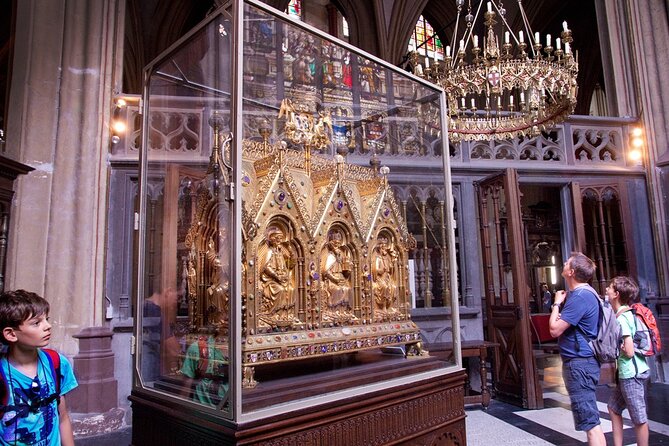
The first stop is Sint-Jakobskerk, or Saint-James Church, where you spend about 30 minutes. It is described as an important church for Bruges’ medieval elite, and that makes it a useful opening lesson.
Here, your guide explains the interior of a Gothic church and points out significant art and historical details. Gothic churches can look simple from the outside, but their interiors often reveal how donors, guilds, and wealthy families used art to show status and devotion.
I like starting here rather than rushing straight to Michelangelo. You get a framework for reading the rest of the tour. Look at how the building directs your eye, how the artwork is placed, and how the church feels different from the Baroque interiors later in the afternoon.
Admission is listed as free. The stop lasts around 30 minutes, enough for a focused explanation without turning the opening into a long lecture.
Saint-Anne Church and Bruges’ Baroque side
Sint-Annakerk provides a sharp change of mood. The focus is the church’s Baroque choir, its wooden sculptures, and the development of Baroque design. You also see Bruges’ largest wall painting, made by Henri Herregodts.
The Baroque style favors movement, drama, and strong visual effects. That gives your guide a chance to compare the church with the more restrained Gothic character of Saint-James. If you enjoy seeing how art styles shift across centuries, this is one of the most useful stops.
You have about 30 minutes here. That is enough time to study the choir and sculpture, though art lovers may wish they had longer. Since the tour has seven stops, the pace stays purposeful. You should expect explanation and comparison, not a long period for quiet individual study at every church.
Admission is free. The church’s wall painting gives this stop a clear focus, so it does not feel like a quick filler between larger attractions.
The Adornes Estate and unusual Jerusalem Chapel
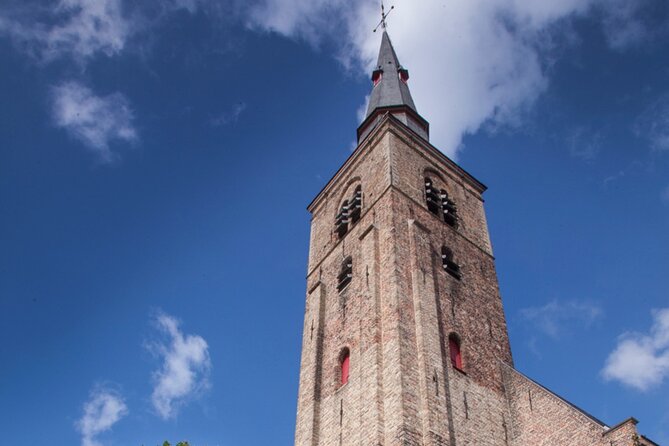
The Adornes Estate and Jerusalem Chapel receive about 15 minutes, making this the briefest stop. It is tied to the Adornes family and is known for its unusual design.
That short visit is still worthwhile because it changes the scale of the tour. You are not only seeing grand public churches. You are also hearing how a powerful family created and used its own place of worship.
The Jerusalem Chapel is described as one of the oddest designs in Bruges. The supplied details do not specify every feature you will see, so you should treat this as a concise orientation rather than a full museum visit. The value lies in the family story and the contrast with the larger churches.
Admission is free. If you are especially interested in private chapels and family history, ask Xavier to spend a little extra time here if the schedule allows.
Same city, a different sort of day:
- Bruges: Choco-Story Chocolate Museum Guided Tour w/Tastings
★ 4.2 · 1,379 reviews - From Bruges: Great War Flanders Fields Minibus Tour w/ Lunch
★ 4.9 · 1,257 reviews - Bruges: Guided Rickshaw Tour
★ 4.9 · 1,199 reviews - Round-Trip Shuttle Service from Zeebrugge to Bruges
★ 4.0 · 1,143 reviews
Saint-Walburga’s Baroque design
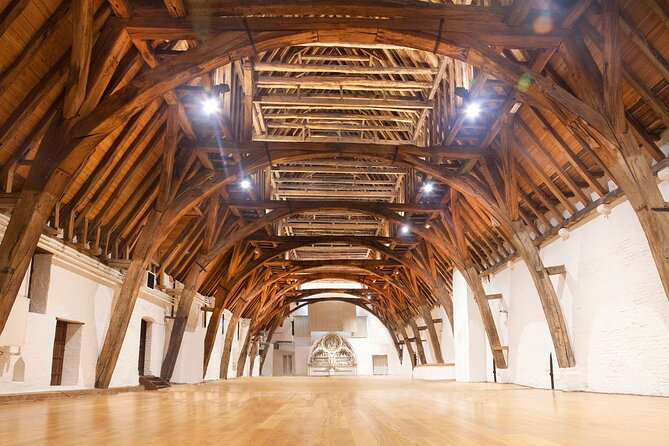
At Saint-Walburga’s Church, you get about 20 minutes to look at the exterior and interior. This is identified as the only Baroque church in Bruges, giving the stop a clear architectural purpose.
The building lets you see how Baroque ideas work on a larger scale than the sculptures and choir at Saint-Anne. Your guide explains its specific design and helps you notice the difference between a Gothic church built around height and structure and a Baroque church built around visual effect.
Twenty minutes is a brisk visit, but it keeps the whole route moving. This stop is best for comparison. If you already know you like church architecture, pay attention to how the interior shapes your sense of space and ceremony.
Admission is free, and the stop includes both outside and inside views.
The Basilica of the Holy Blood
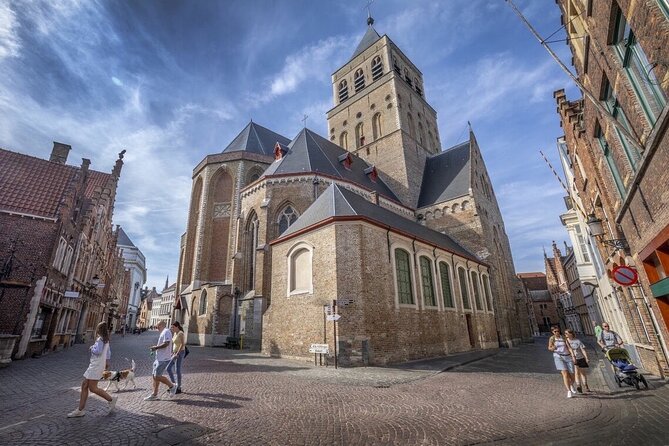
The Basilica of the Holy Blood is one of the most recognizable religious sites in Bruges. The tour gives you about 30 minutes to see its interior and the relic of the Holy Blood itself.
This stop adds a different kind of interest. The basilica is not included only for its architecture. It is also a place of devotion, and the relic explains its lasting importance. Your guide provides the background so you can understand why this small basilica draws attention within the city’s central square.
The interior is described as beautiful, though no specific artistic details are provided. That means the guide’s explanation is especially useful here. Instead of treating the relic as a quick photo stop, you can place it within Bruges’ religious and civic story.
Admission is listed as free. The basilica’s central location also helps connect the church visit with the city around it, since the tour began at Markt and remains in the historic core.
Church of Our Lady and Michelangelo’s Madonna
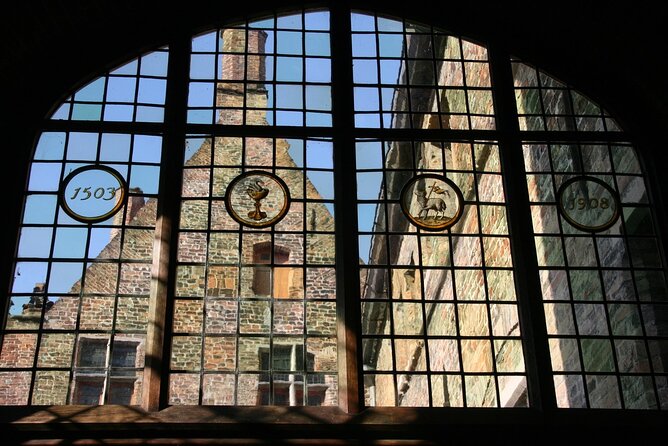
Church of Our Lady is the centerpiece of the afternoon. You spend about 45 minutes here, longer than at any other stop. The church is described as the most important in Bruges from a historical point of view, with a valuable art collection, the tombs of the counts of Burgundy, and Michelangelo’s Madonna.
The Madonna is the obvious draw. It is a rare chance to see a work by Michelangelo outside Italy, and the sculpture gives the tour its title. Still, do not reduce this stop to one statue. The tombs and wider art collection show how closely religion, dynastic power, and public memory were linked.
This is where the guide’s background matters most. Xavier has been praised for explaining the art in a way that encourages questions and personal thought. One particularly useful detail from the tour experience is his effort to describe paintings, statues, and interior layouts carefully for a participant who was totally blind. That suggests an attentive teaching style, not just a list of dates and names.
Entry costs €10 per person and is not included in the tour price. Build that fee into your budget before booking. It is also the one paid church on the route, so you should know that the advertised tour price does not cover every admission.
If Michelangelo is your main reason for booking, this stop alone may justify the route. If you are looking for a broad introduction to Bruges, the surrounding churches make the visit more meaningful by showing how the city’s religious art developed.
Saint-Salvator’s Cathedral and the finish on Steenstraat
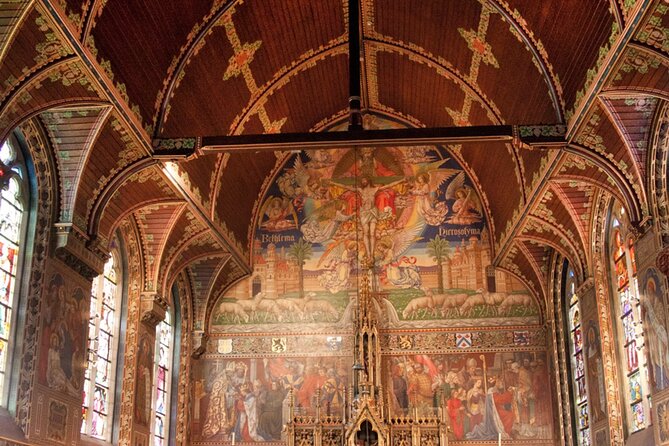
The tour ends at Catedral de Sant Salvador, properly known as Saint-Salvator’s Cathedral. You spend about 30 minutes here, seeing medieval tombs, the bishop’s seat, and the cathedral’s importance in Bruges’ history.
Finishing at the cathedral gives the route a strong closing point. You have already seen parish churches, a family chapel, a basilica, and a church connected with ruling families. The cathedral brings those themes together at the level of the city’s main church.
The stop is not just about size. The medieval tombs and bishop’s seat help explain the cathedral’s institutional role. Your guide can connect what you have seen earlier with the wider religious structure of Bruges.
Admission is listed as free. The tour ends at Sint-Salvatorskathedraal on Steenstraat, rather than returning you to Markt. That is useful if you plan to continue along Steenstraat or arrange your own route from there.
Xavier’s guiding style and the private format
The guide named in the tour feedback is Xavier. His strongest qualities are patience, clear explanations, and a willingness to discuss the art rather than simply point at it. He has also been described as asking questions about what participants think of the buildings and interiors, which can make the walk feel more like a conversation than a lecture.
That approach suits families with older teenagers and adults who like to ask why something looks the way it does. A family with a 17-year-old found the pace comfortable and covered a lot in a short period. The tour also worked well for a participant who was blind because Xavier took extra care with verbal descriptions.
You should not expect a large group or a guide rushing through a fixed script. This is a private activity, so only your own party participates. That is a major part of the price. You are paying for time with a guide who can respond to your interests, not only for entry to the buildings.
The supplied information says most people can participate, but it does not give detailed mobility information for every church. If you have specific access needs, raise them when booking. The route includes several historic buildings, and the exact conditions inside are not stated.
Price, timing, and who gets good value
The price is $191.05 per person for about three and a half hours, plus €10 for Church of Our Lady. That is expensive compared with a general city walk, especially for one person. The calculation changes for a group that values private guiding and plans to spend time on art and architecture.
Group discounts are offered, though the exact discount is not specified. For a family or a small party, check the final price before deciding. The private format can make the cost easier to accept when several people share the guide, particularly if you would otherwise pay for separate museum visits or a shorter specialist tour.
The start time is 1:30 pm. That gives you a full morning for other Bruges sights, though you should plan to arrive at Markt 5 before the stated start time. The tour is offered in English and uses a mobile ticket.
The listed stop times add up to roughly three hours and 20 minutes, while the advertised duration is approximately three and a half hours. Allow a little flexibility for walking between churches and questions. The experience is a walking tour, and no transport is included.
Free cancellation is available if you cancel at least 24 hours before the local start time. Changes or cancellations inside that window are not accepted for a refund.
Who should book this Bruges church walk
I would choose this tour if you want to understand Bruges through its art and religious buildings, not just photograph the canals. It is a good match for:
- Art lovers who want Michelangelo, sculpture, tombs, and wall painting in one route
- Architecture fans comparing Gothic and Baroque design
- Families with older teenagers who enjoy discussion
- Visitors who want a private guide rather than a large group
- People who have already seen the main streets and want more historical detail
- Anyone curious about how churches reflect family power, civic life, and devotion
I would hesitate if you have only a short time in Bruges and want a broad overview of canals, squares, shops, and civic buildings. This tour is tightly focused on churches. It also may feel costly if Michelangelo and religious art are not high on your list.
My verdict on the Exclusive Bruges Churches Tour
Book it if the idea of seeing seven churches in one afternoon sounds better than ticking off a general list of Bruges sights. The route gives you the famous Madonna, but it also gives you Saint-Anne’s Baroque art, the Adornes family chapel, the Holy Blood relic, medieval tombs, and the cathedral.
The best reason to pay the premium is the private guide. Xavier’s patient, question-friendly approach adds value for families and for anyone who wants art explained in plain language. The €10 church entry fee and high per-person price are real drawbacks, but the experience offers a focused look at Bruges that a standard city walk cannot match.
FAQ
How long does the Exclusive Bruges Churches Tour last?
The tour lasts approximately 3 hours and 30 minutes. The listed visits total about 3 hours and 20 minutes, with additional time for walking between churches and discussion.
Where does the tour start?
The tour starts at Markt 5, 8000 Brugge, Belgium.
What time does the tour begin?
The start time is 1:30 pm.
Where does the tour end?
The tour ends at Saint-Salvator’s Cathedral on Steenstraat in Bruges.
Is entry to Church of Our Lady included?
No. Admission to Church of Our Lady costs €10 per person and is not included.
Is this a private tour?
Yes. Only your group participates, and a private guide is included.
What language is the tour offered in?
The tour is offered in English.
Just added in Bruges
- 2-Hour Private Walking Tour of Bruges★ 5.0 · 13 reviews
- Ticket Expo Body Worlds in Bruges, Belgium★ 4.5 · 11 reviews
- The Waffles ‘n Coffee Breakfast in Bruges Centre★ 4.5 · 9 reviews
- 6 Hour Bruges Shore Excursion from Zeebrugge Cruise Port★ 4.5 · 23 reviews
- Explore the Instaworthy Spots of Bruges with a Local★ 5.0 · 3 reviews
- Australian Battlefields Private Tour in Flanders from Bruges★ 5.0 · 15 reviews
- Discover the secrets of Bruges by playing!★ 4.5 · 7 reviews
- Bruges Walking Tour with Audioguide on Your Smartphone★ 4.5 · 14 reviews
Tours in Bruges, compared.

Small Group Boat Cruise and Guided Walking Tour
Read our review →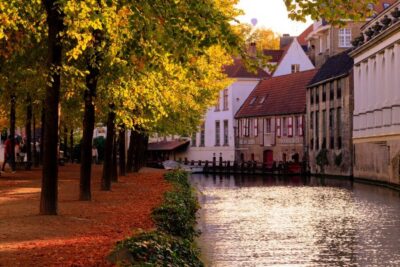
Walking Tour, Canal Boat Trip w/Beer Tasting Option
Read our review →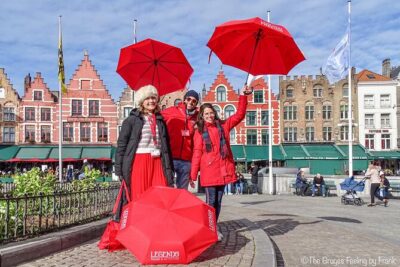
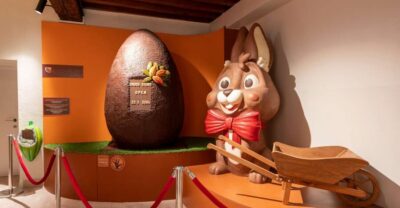
Choco-Story Chocolate Museum Guided Tour w/Tastings
Read our review →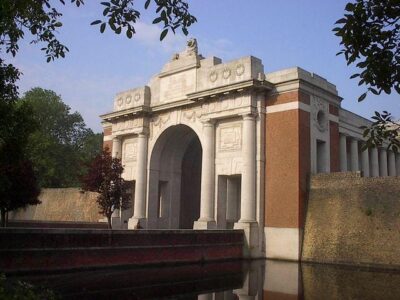
Great War Flanders Fields Minibus Tour w/ Lunch
Read our review →

Belgian Waffle-Making Workshop with Beer Tasting
Read our review →
Browse the lists this tour appears in